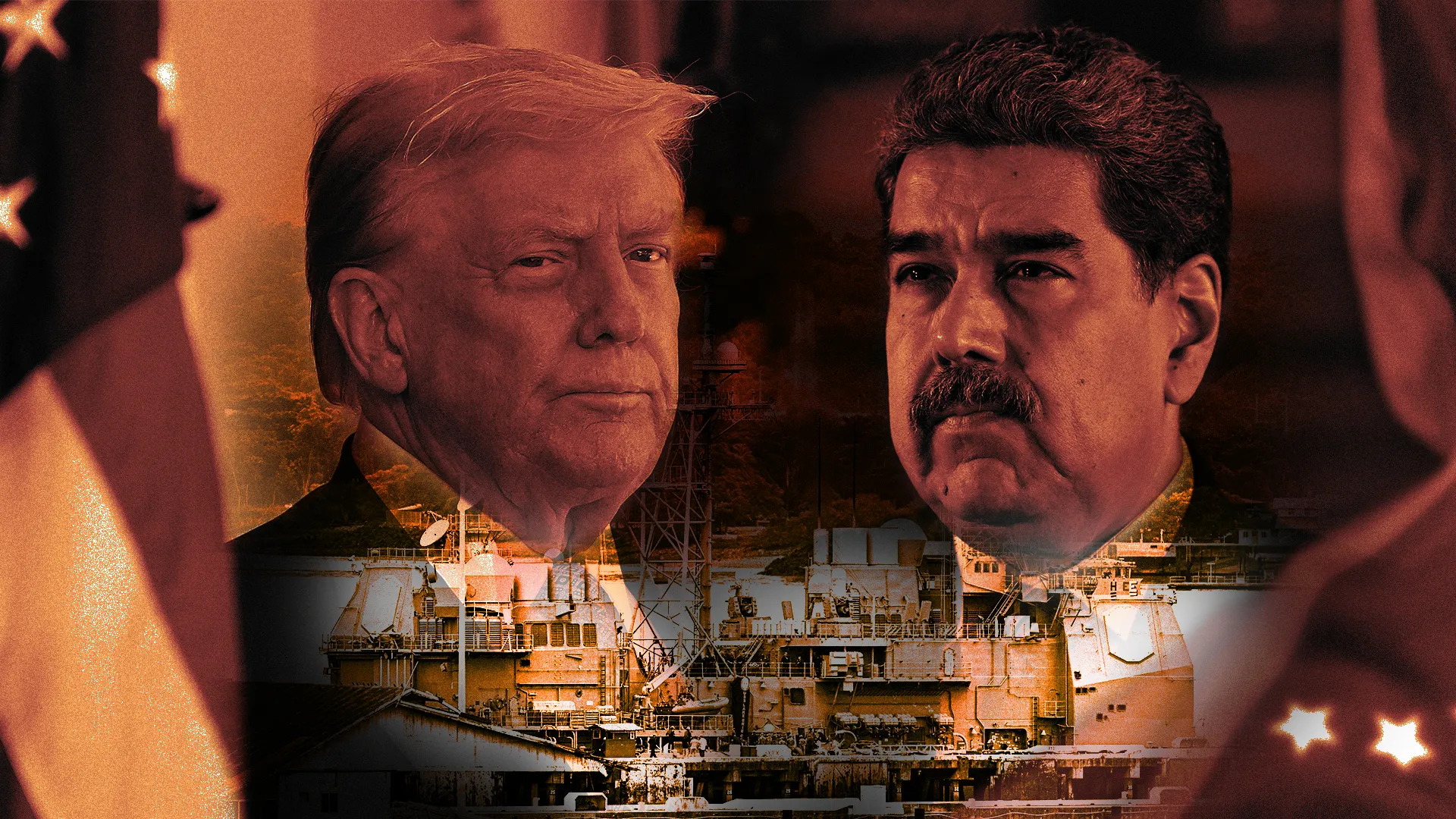
President Donald Trump’s second term has reignited a confrontational approach toward Venezuela, blending economic sanctions, military posturing, and diplomatic overtures aimed at dismantling Nicolás Maduro’s regime. This stance prioritizes curbing drug trafficking and migration flows into the U.S., while holding open the possibility of regime change through overwhelming pressure. Unlike his first term’s focus on diplomatic isolation and sanctions, the current strategy incorporates terrorist designations and naval deployments, signaling a willingness to escalate if Maduro resists.
First-Term Foundations: Sanctions and Guaidó’s Moment
Trump’s initial Venezuela policy, launched in 2017, emphasized “maximum pressure” via targeted sanctions on officials, debt markets, and oil sectors to counter human rights abuses and electoral fraud. By 2019, this escalated dramatically when Trump recognized National Assembly leader Juan Guaidó as interim president, rejecting Maduro’s re-election as illegitimate and rallying over 50 nations to follow suit. Though Trump floated a military option in 2017—prompting advisor pushback—the administration avoided invasion, opting instead for asset freezes and oil export curbs that crippled Venezuela’s economy without toppling Maduro.
This phase yielded mixed results: millions fled Venezuela amid hyperinflation, bolstering U.S. arguments on humanitarian grounds, yet Maduro clung to power with Russian and Chinese support. Critics noted sanctions exacerbated civilian suffering without achieving democratic restoration, setting the stage for Biden-era easings that Trump swiftly reversed upon reelection.
Second-Term Escalation: Terrorist Labels and Naval Shadow
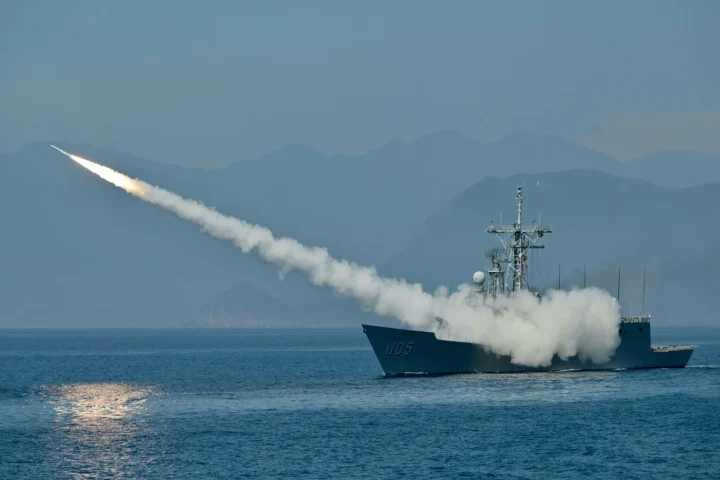
Since January 2025, Trump has supercharged pressures by nullifying Biden’s oil concessions, imposing buyer tariffs, doubling Maduro’s bounty to $50 million, and designating the “Cartel de los Soles”—allegedly Maduro-led military networks—as a foreign terrorist organization (FTO). This FTO label unlocks asset seizures, infrastructure targeting, and broader counterterrorism tools, though it stops short of authorizing lethal force without further steps. Complementing this, Operation Southern Spear has deployed thousands of troops, warships, and aircraft to the Caribbean, executing over 20 boat strikes killing dozens purportedly linked to narcotics smuggling.
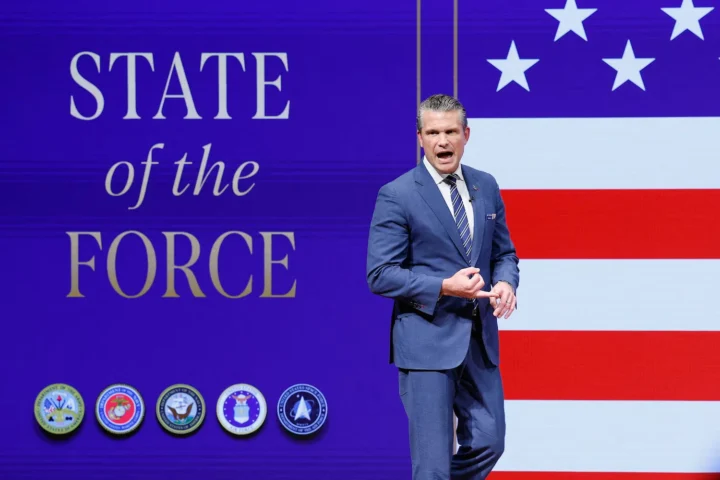
Publicly, the focus remains drugs and migration—Venezuela as a conduit for fentanyl precursors and Tren de Aragua gang members—yet officials admit regime change lurks as a byproduct. Defense Secretary Pete Hegseth hailed the FTO move as opening “new options,” amid war games simulating post-Maduro chaos and CIA covert ops inside Venezuela. Maduro’s sword-waving defiance and dismissal of charges as “fabrications” underscore the brinkmanship.
The Diplomatic Carrot Amid Military Stick
Trump’s rhetoric defies simple hawkishness: he has signaled openness to direct talks with Maduro, stating the leader “would like to talk” and hinting at future dialogue to “save lives.” Advisors like Marco Rubio and Stephen Miller drive the hardline, but envoys such as Ric Grenell have floated good-cop negotiations, potentially trading pressure relief for oil access or Maduro’s exit. Maduro’s camp has probed channels, proposing a Trump summit, though no deal materializes amid airspace warnings and flight cancellations.
This duality echoes Trump’s dealmaker ethos—pressure to force concessions—yet risks unraveling if Venezuela fragments post-intervention, as past simulations warned of factional violence over oil riches. Regional voices like Colombia’s Petro decry oil grabs over anti-drug pretexts, complicating hemispheric buy-in.
Risks, Rewards, and Geopolitical Ripples
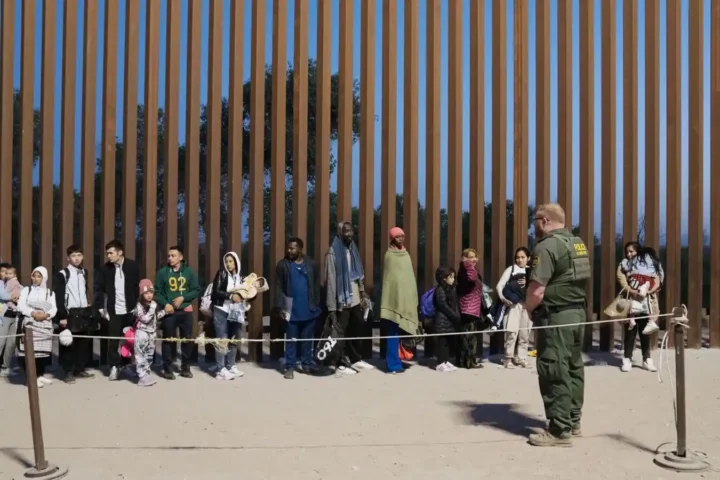
Trump’s calculus weighs Venezuela’s proximity—8 million exiles already straining borders—against intervention pitfalls akin to Iraq or Panama. Success hinges on calibrated force: enough to compel resignation without invasion, per aides. Failure could flood U.S. with migrants, empower rivals, and tarnish the “peace through strength” brand.
Ultimately, Trump’s Venezuela stance embodies transactional realism: wield the full U.S. arsenal to extract concessions, but pivot to talks if viable. For a nation whose oil dwarfs Saudi reserves yet starves under Maduro, the pressure cooker tests whether coercion yields democracy or deeper chaos. As naval assets circle and bounties soar, the world watches if this gamble stabilizes the hemisphere or ignites it.