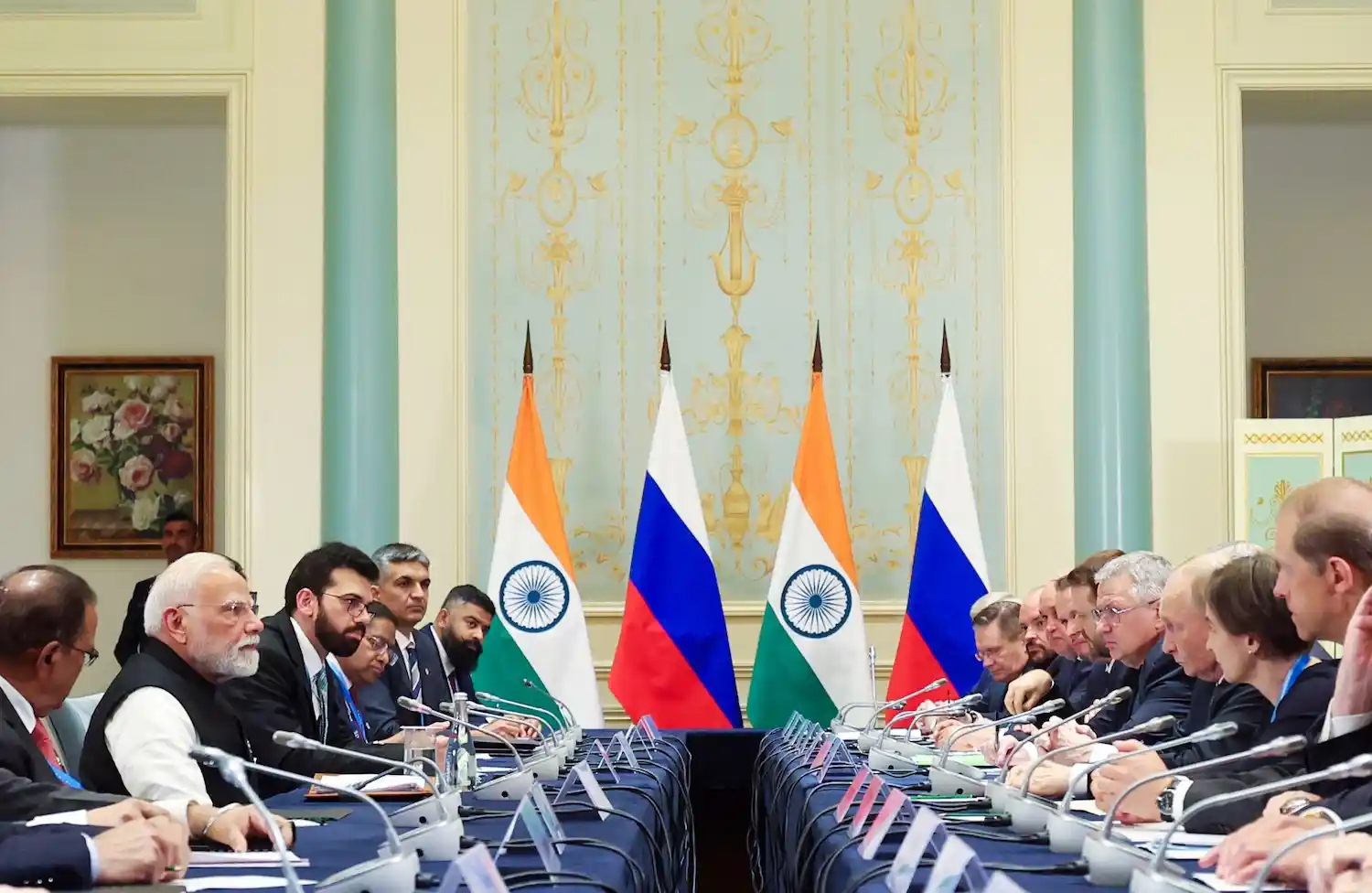
President Vladimir Putin’s upcoming visit to India on December 4-5, 2025, signals a significant moment in India-Russia relations, reaffirming their “Special and Privileged Strategic Partnership” amid a complex global geopolitical environment. The visit, the 23rd India-Russia Annual Summit, aims to strengthen bilateral cooperation in defense, energy, trade, and technology while allowing both nations to exchange views on regional and global issues. This will be Putin’s first visit to India since the large-scale Russian invasion of Ukraine in 2022, accentuating the diplomatic importance of sustaining close ties despite Western pressures on Russia and changing global dynamics.
Putin’s visit comes at a crucial juncture as India navigates its strategic autonomy by balancing a robust partnership with Russia alongside closer ties with Western nations, including the United States. India remains one of the primary buyers of Russian oil and a key partner in defense procurement, even while Western sanctions have complicated Russia’s trade dynamics. The visit underscores New Delhi’s determination to maintain independent foreign policy choices without fully aligning with any one power bloc. For Russia, reaffirming this alliance serves as a demonstration of its continued relevance and influence in Asia despite its growing isolation in the West due to the Ukraine conflict and Western sanctions.
Key Expectations: Defense, Energy, and Economic Cooperation
A critical focus of the summit will be defense cooperation, with India continuing to secure advanced Russian military technologies, including air defense systems such as the S-400 and discussions potentially expanding into newer systems like the S-500 and Su-57 fighter jets. Defense cooperation has evolved beyond buyer-seller dynamics toward joint research, development, and production of sophisticated technology like the BrahMos cruise missiles, signifying deeper integration in security matters.
Energy cooperation remains another crucial pillar, with India becoming one of the premier customers for Russian oil, particularly in the context of discounted crude supplies. The summit is expected to address stabilizing long-term energy supply agreements, expanding cooperation in natural gas, nuclear energy, and critical minerals, and resolving payment challenges caused by Western sanctions on Russia. Strengthening energy trade aligns with India’s goal of energy security amid global volatility in energy markets.
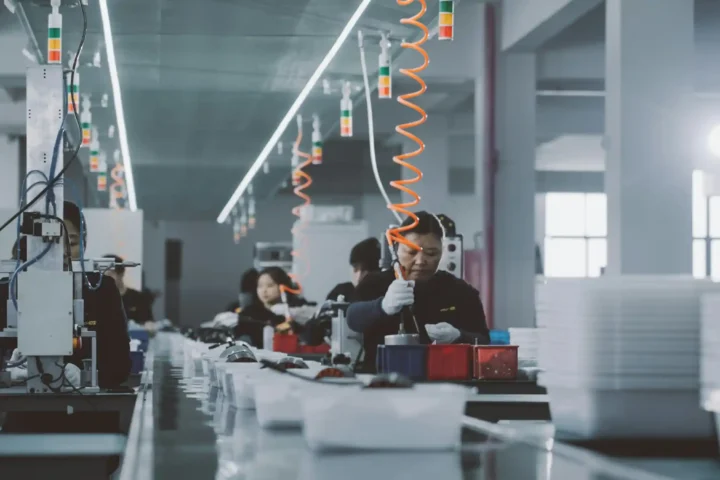
Bilateral trade has been flourishing, recently hitting record highs (approximately $68.7 billion in FY 2024-25), with Indian exports including pharmaceuticals, chemicals, and marine products, and Russian exports comprising oil, fertilizers, coal, precious metals, and vegetable oils. The summit is anticipated to bolster these economic ties further and potentially expand Russia’s footprint in India’s economic zones through investments and special economic zones dedicated to Russian companies. Technology cooperation, including in space (satellite navigation interoperability between GLONASS and NavIC), cybersecurity, and AI, will also feature prominently.
Diplomatic and Regional Implications
The two countries will also take stock of their strategic and diplomatic alignment amid shifting geopolitical landscapes. Discussions will include collaboration in multilateral forums like BRICS, SCO, G20, and the United Nations, where both countries seek to present a united front on global governance reforms and regional security concerns. The visit offers space to discuss regional stability, including developments in South Asia and Eurasia. Moreover, it reinforces India’s nuanced diplomatic stance of engaging with Russia despite Western concerns about Moscow’s actions in Ukraine, reflecting India’s broader preference for strategic autonomy.
Putin’s visit is marked by significant ceremonial pageantry, including meetings with Indian Prime Minister Narendra Modi and President Droupadi Murmu, who will host a banquet in his honor. Such formalities underscore the depth and historical continuity of the Indo-Russian relationship, maintained consistently over decades through high-level visits since Putin assumed presidency in 2000. The summit’s outcomes are expected to include joint statements reaffirming commitment to the partnership and the signing of multiple bilateral intergovernmental and business agreements.