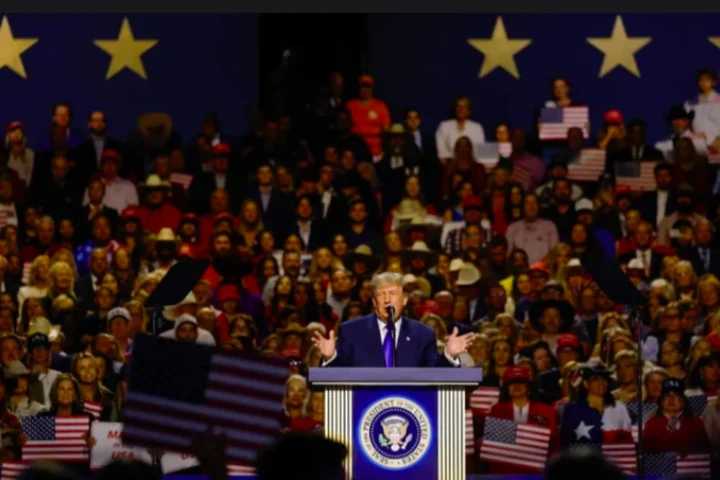
There is now an explicit debate in Washington over whether Donald Trump’s tariff-heavy approach is putting the United States on a path to “lose” India as a long‑term strategic partner. The argument is not about whether India remains important, but whether Trump’s mix of economic coercion and sanctions threats is eroding the trust that underpinned 25 years of quiet bipartisan investment in the relationship.
For roughly two decades, the US–India storyline was one of steady, bipartisan consolidation: the civil nuclear deal under George W. Bush, defence agreements under Barack Obama, and the elevation of India to a central pillar of the “Indo‑Pacific” under Joe Biden. This arc rested on a simple bargain: Washington treated India as a rising power whose strategic autonomy would be respected, and New Delhi gradually opened itself to closer security, technology and economic ties with the US.
Trump’s second term has ruptured that narrative by re‑politicising the relationship through aggressive tariffs, public threats and transactional rhetoric. In August 2025, Trump imposed an additional 25% tariff on Indian imports, raising duties on some products to around 50% and pushing bilateral ties to what Indian and US officials privately describe as a new low. Rather than showcasing India as a preferred partner, the US has turned the world’s fastest‑growing major economy into a visible target of its tariff crusade.
Tariffs that punish a partner
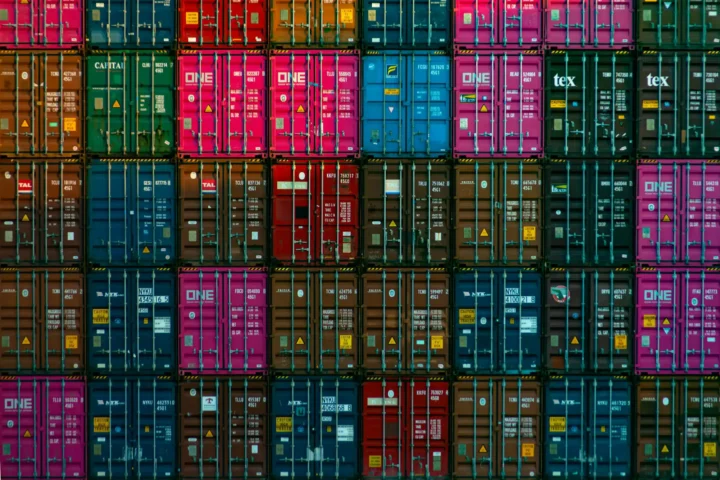
Trump’s new tariff regime hits labour‑intensive Indian sectors such as textiles, footwear, jewellery and potentially pharmaceuticals, where margins are tight and US demand is critical. The US is India’s largest export market, with shipments worth close to 90 billion dollars in 2024, so a sudden hike in duties to as high as 50% acts as a quasi‑embargo for many small and medium exporters. In parallel, Trump has threatened up to 100% tariffs on imported branded pharmaceuticals unless companies build in the US, directly challenging one of India’s most globally competitive industries.
The formal justification combines old complaints about India’s tariffs with new anger over New Delhi’s record purchases of discounted Russian oil after the Ukraine war. But in the Indian reading, the message is starker: Washington is prepared to weaponise trade against a partner that has, on balance, moved steadily closer to the US on defence, technology and China. That perception cuts against years of American assurances that India would not be treated like a subordinate ally.
Sanctions, Russia and strategic autonomy
Tariffs are only one front. India lives under a continuing cloud of possible US secondary sanctions because of its defence and energy ties with Russia. The CAATSA sanctions law was technically waived once for India’s purchase of S‑400 air defence systems, but Western officials and analysts keep warning that deeper Russian purchases or continued high‑volume oil imports could trigger penalties in future.
From Delhi’s perspective, these threats add up to a structural mistrust of Indian strategic autonomy, even as Washington demands India act as a frontline partner in the Indo‑Pacific. The contrast is sharp: the US frames India as indispensable in public strategy documents, yet in practice threatens tariffs and sanctions when Delhi refuses to align fully with US policy on Russia. That dissonance feeds the emerging debate in Indian policy circles about whether the United States is a reliable anchor for India’s long‑term choices.
The President who lost India
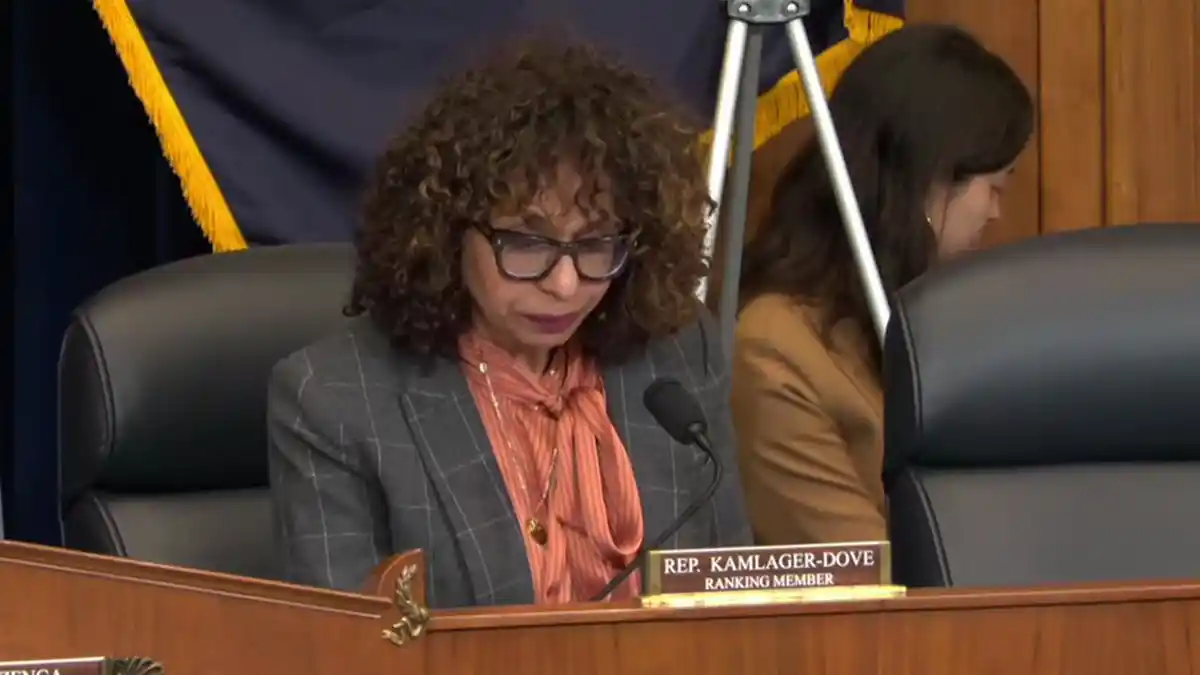
In Washington, the alarm is now being voiced in unusually blunt terms. At a recent Congressional hearing, Democratic Congresswoman Sydney Kamlager‑Dove warned that Trump’s tariff regime and confrontational approach could inflict “long‑term damage” on one of America’s most vital alliances. She accused him of taking a relationship that the Biden administration had left “at the height of its strength” – with a revitalised Quad, a defence tech initiative and supply‑chain partnerships – and flushing that progress “down the toilet”.
#WATCH | Presenting the photo of PM Modi with Russian President Putin during the latter's recent visit to India, US representative Sydney Kamlager-Dove says, "Trump's policies towards India can only be described as cutting our nose to spite our face… Being a coercive partner… pic.twitter.com/fHcakd75LA
— ANI (@ANI) December 10, 2025
Think‑tank analysts have gone further, arguing that Trump risks “tanking twenty‑five years” of incremental progress by dragging the relationship back into a cycle of grievance and linkage politics. Their core concern is not that India will suddenly pivot to China, but that New Delhi will hedge harder: deepening ties with Russia, leveraging BRICS more boldly, and treating US initiatives as episodic rather than foundational. In other words, the US may not “lose” India to a rival, but it could lose India’s trust.
Tariff and sanctions threats are magnified by an optics problem: India does not feel prioritised in Trump 2.0’s diplomatic machinery. The US ambassadorship to India has remained vacant, parts of the National Security Council’s South Asia team have been hollowed out, and the Quad has gone unusually quiet just as China’s assertiveness continues in the region. The sense in Delhi is that, beyond occasional leader‑to‑leader theatrics, the institutional US commitment to India is fraying.
Congresswoman Sydney Kamlager-Dove, during a hearing on US foreign policy, warned that Washington is pushing India closer to Moscow — and that it is America, not New Delhi, undermining the partnership#IndiaUS pic.twitter.com/hT7wWeSg0Z
— TheSouthAsianTimes (@TheSATimes) December 11, 2025
That perception matters because the India relationship was painstakingly built through bureaucratic spadework—defence dialogues, tech initiatives, energy cooperation, diaspora engagement—rather than a single grand bargain. When those channels weaken, tariffs and sanctions begin to define the relationship by default.
India’s response: hedge, don’t choose
For now, Prime Minister Narendra Modi has chosen caution over confrontation. India has described recent trade talks in Washington as “constructive” and continues to seek a limited deal that would cap the damage from Trump’s tariffs. At the same time, Delhi has made clear that it will not roll back Russian oil imports or defence cooperation simply to mollify Washington, particularly when those ties underpin India’s energy security and military readiness.
Instead, India is doubling down on diversification: building out BRICS and Global South platforms, signalling interest in alternative payment arrangements, and advertising itself aggressively to European, Japanese and Middle Eastern investors as a manufacturing hub. If Washington insists on framing economic engagement as a stick rather than a carrot, India appears prepared to treat the US as one partner among many, not the privileged one.
The strategic cost for Washington
What is at stake for the US is not just trade flows but the architecture of its Indo‑Pacific strategy. The latest National Security Strategy still casts India as a “critical” regional partner and a central node in efforts to balance China. Yet tariffs that hit Indian exports, visa and deportation policies that alienate Indian workers, and sanctions noise around Russia cumulatively signal that domestic politics, not strategy, is driving Trump’s India policy.
If that continues, the US risks creating exactly the outcome it fears: an India that publicly participates in US‑led groupings but privately doubts American reliability and seeks strategic insurance elsewhere. That outcome will not look like a dramatic break; it will look like missed defence deals, slow‑walking tech cooperation, and a careful refusal to take risks on Washington’s behalf. In twenty‑five years, historians may not ask when America lost India to someone else, but when it stopped taking seriously what India had been signalling all along.