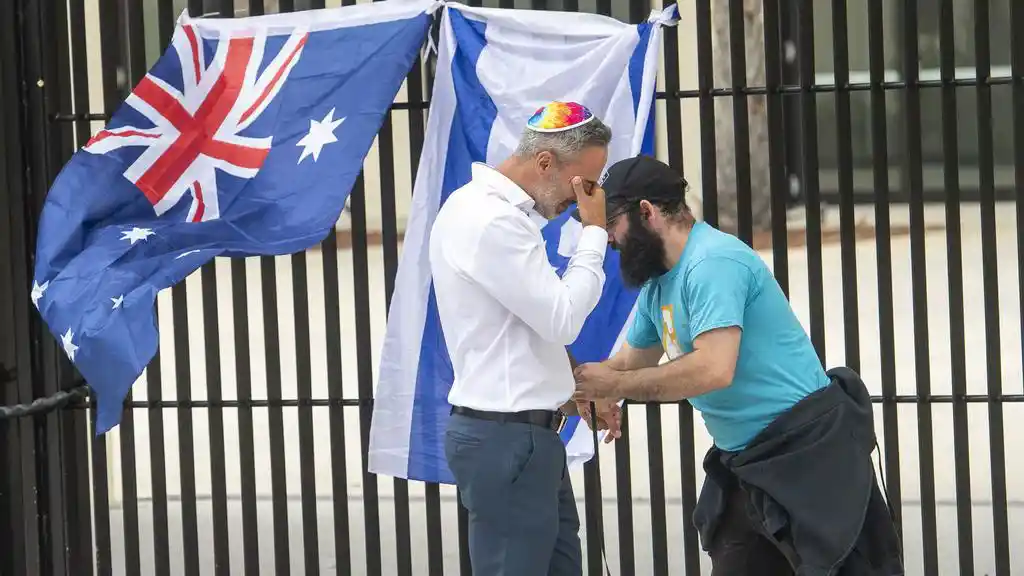
The terrorist attack on families celebrating Hanukkah at Bondi Beach stands as a tragedy of unimaginable proportions, shattering lives and innocence under Sydney’s summer sun. Sixteen souls lost their lives, including children, a Holocaust survivor, and Chabad rabbis Eli Schlanger and Yaakov Levitan, with 42 more wounded in what authorities have declared Australia’s deadliest terror incident and second-worst mass shooting since Port Arthur in 1996. Two gunmen—a father and son—unleashed around 50 shots from a pedestrian bridge onto the “Chanukah by the Sea” crowd of nearly 1,000, their rifles cutting down revelers before one was killed by police and the other hospitalized. This evil pierced the heart of a nation once synonymous with laid-back joy, leaving Bondi forever scarred and every Australian attacked by its hateful venom.
The Predictable Horror Ignored
The massacre was no bolt from the blue; it brewed in plain sight amid a tsunami of antisemitism that has engulfed Australia since October 7, 2023. The Executive Council of Australian Jewry (ECAJ) documented 1,654 anti-Jewish incidents from October 2024 to September 2025—nearly five times pre-October 7 levels—with arson attacks on synagogues and preschools surging to record highs despite a slight dip in overall numbers. From the firebombing that gutted Melbourne’s Adass Israel Synagogue in December 2024, collapsing its roof and declared a terrorist act, to swastika graffiti on Sydney’s Newtown Synagogue in January 2025 and doxxing of Jewish students, the Jewish community—Australia’s 117,000-strong minority—has endured daily torment. Protests turned violent outside the Sydney Opera House hours after Hamas’s atrocities, with antisemitic slurs chanted as an Israeli flag burned, setting a permissive tone that leaders failed to quash.
ASIO Director-General Mike Burgess rang the alarm in early 2025, declaring antisemitism his agency’s “number one priority” in threats to life—the first time a form of racism topped their list—amid firebombings, threats, and even a trailer of explosives aimed at a Sydney synagogue. Yet warnings from intelligence, community leaders, and rising incidents like harassment of Jewish artists and riots in Jewish suburbs went unheeded, culminating in Bondi’s playground turned slaughterhouse. A heroic bystander, fruit shop owner Ahmed al Ahmed, tackled one gunman and seized his rifle, saving countless lives despite his own wounds—a rare act of individual valor amid systemic neglect.
Leadership’s Hollow Vows Exposed
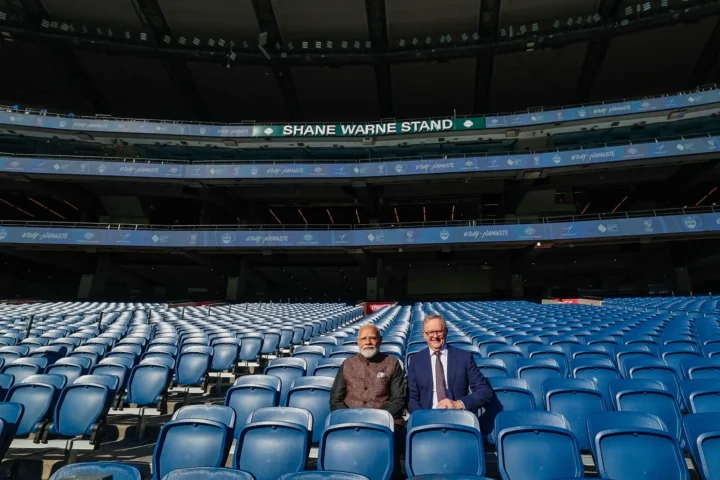
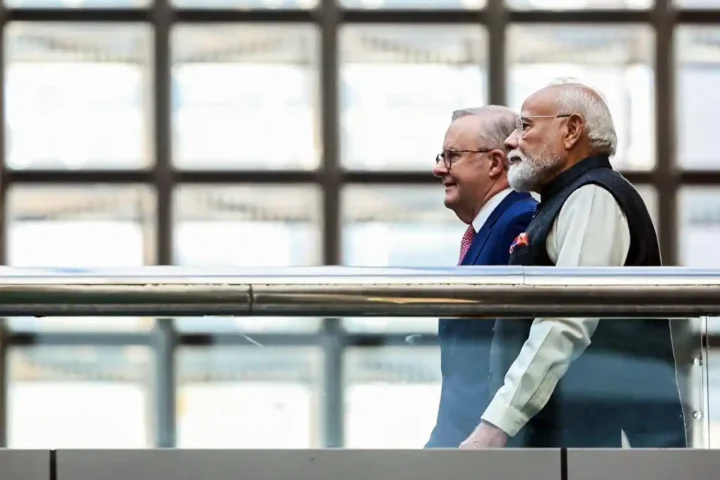
Prime Minister Anthony Albanese’s post-October 7 pledge that antisemitism would find “not so much as a foothold” in Australia now rings as a cruel mockery, drowned out by the gunfire at Bondi. Albanese labeled the attack “pure evil” and antisemitic terrorism, vowing solidarity, but former Treasurer Josh Frydenberg eviscerated such rhetoric as “hollow words” insufficient for a “dark day” demanding total accountability. Frydenberg, speaking on Sky News, insisted: “Everything must change. Everything must be on the table. Nothing can be the same. The law must be enforced, and our leaders need to take personal responsibility.” New South Wales Premier Chris Minns echoed the horror, confirming victims aged 10 to 87, including a child named Matilda, while police raids uncovered IEDs in the suspects’ car.
This failure spans years: despite ASIO elevating the terror threat to “probable” in 2024 over Gaza-related tensions, and launching Operation Avalite against antisemitic violence in December 2024, enforcement lagged as synagogues burned and streets filled with hate. Jewish leaders like ECAJ’s Alex Ryvchin warn the community feels “abandoned and alone,” with Bondi proving Australia “no longer safe for Jews.” Global voices—from US President Donald Trump to Israel’s Benjamin Netanyahu, who blamed Albanese’s government for fanning flames—condemned the attack, hailing al Ahmed while urging Australia to confront its demons. Domestically, even the Australian National Imams Council stood in unity, rejecting violence as an assault on all.
A Nation Demands Radical Change
Bondi exposes not just antisemitism’s deadly import but a leadership vacuum that tolerated its festering. Frydenberg’s clarion call resonates: “The massacre… is the culmination of an unprecedented failure… so obvious to every Australian who opened their eyes.” Laws shielding hate speech must tighten; prosecutions for doxxing, vandalism, and incitement accelerate; ASIO’s resources surge without bureaucratic hesitation. Enforce zero tolerance: ban masks at protests glorifying terror, deport foreign agitators like those linked to Iran’s IRGC plots, and shield Jewish sites with visible security, as New Zealand did post-Bondi.
Communities must rally too—Muslims, Christians, all faiths—against division, inspired by al Ahmed’s courage. Education reforms should embed Holocaust history and antisemitism’s perils in curricula, countering online radicalization that armed a father-son duo known to authorities yet deemed low-risk. Australia’s multicultural fabric, once its pride, frays under unchecked import of Middle East hatreds; leaders ignored the J7 Summit’s December 2025 warning of a global pattern threatening democracies. Now, with Bondi as ground zero, every citizen must demand enforcement, accountability, and cultural reset—no more platitudes.
Australia stands at an abyss: descend into fear or rise unbowed. The Jewish community’s worlds “obliterated,” as Ryvchin laments, demand we reclaim safety for all. Albanese and Minns must own this on their watch, implementing Frydenberg’s blueprint: total change, enforced law, untolerated hate. Every Australian—moved by Bondi’s blood-soaked sand—must insist on nothing less, forging a nation where Hanukkah lights shine without terror’s shadow. This is our charge; failure invites more graves.