For decades, global health has been framed as a story of progress: declining mortality, expanding access to medicines, and impressive technological breakthroughs. Yet beneath this narrative sits a more uncomfortable truth. The architecture of global health remains deeply unequal, shaped by historical power imbalances that continue to determine who sets priorities, who controls resources, and who is heard. The question facing the world today is not whether global health needs reform, but whether it has the courage to pursue reform honestly.
The origins of modern global health are inseparable from colonial history. Systems were built to extract data, labor, and resources from low- and middle-income countries while decision-making authority remained concentrated in capitals far removed from the communities most affected by disease. While the language has evolved—from “tropical medicine” to “development assistance for health”—the underlying structures have often stayed the same. Funding flows largely from the Global North to the Global South, accompanied by priorities, metrics, and timelines defined elsewhere.
This imbalance has real consequences. When power is centralized, health systems struggle to respond to local realities. Programs may be technically sound but socially misaligned, overlooking cultural contexts, economic constraints, or community trust. The result is a persistent gap between investment and impact. Despite billions spent annually on global health, access to essential services remains uneven, and financial hardship caused by healthcare costs continues to push millions into poverty.
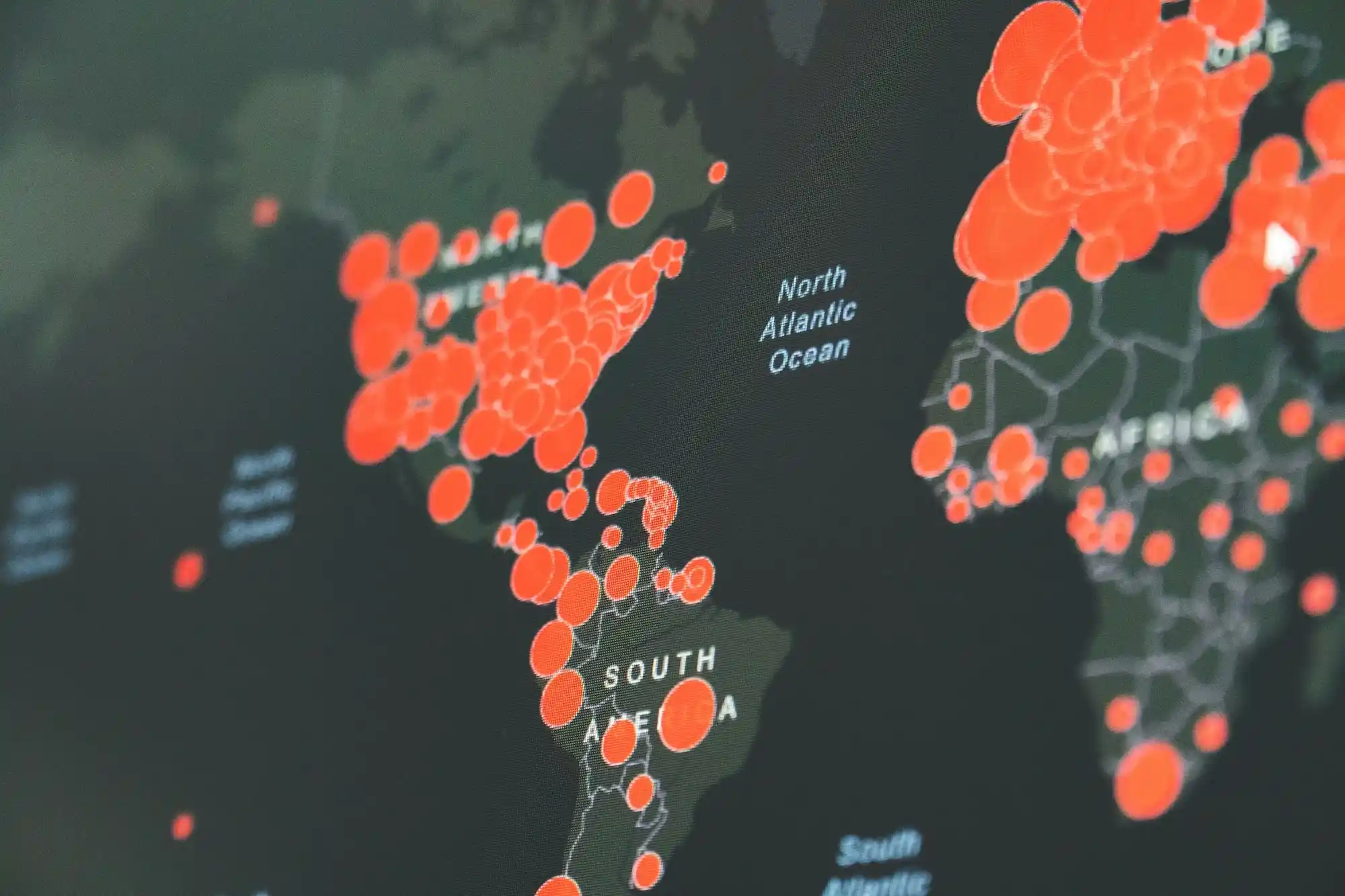
The COVID-19 pandemic exposed these fractures with brutal clarity. As vaccines were developed at unprecedented speed, their distribution followed familiar patterns of inequality. High-income countries secured supplies first, while many low-income countries waited months or years. The pandemic was not only a failure of logistics; it was a failure of governance. It revealed how global solidarity often falters when national interests collide with collective responsibility. COVID-19
Yet crises also create openings for change. In recent years, there has been growing recognition that global health cannot be effective—or legitimate—without meaningful participation from the communities it aims to serve. Civil society organizations, community groups, and patient advocates have long filled gaps left by under-resourced health systems. During epidemics, conflicts, and humanitarian emergencies, they are often the first to respond and the last to leave. Their proximity to communities gives them insights that no external consultant or donor report can replicate.
Civil society plays a unique role because it refuses to accept health as a purely technical issue. It asks political questions: Who is excluded from care? Why do certain populations remain invisible in national statistics? Who benefits from current funding models, and who does not? By demanding accountability, civil society challenges governments, donors, and corporations alike to align their actions with their stated commitments.
This role is not always comfortable. Advocacy can be disruptive, especially when it exposes inconvenient truths. But history shows that many of the most significant gains in global health—from access to HIV treatment to expanded reproductive rights—were achieved not through consensus alone, but through sustained pressure from organized communities. Progress has rarely been gifted; it has been demanded.
Encouragingly, the center of gravity in global health debates is beginning to shift. African leaders and institutions are increasingly articulating their own visions for reform, emphasizing regional manufacturing, stronger public health institutions, and greater policy autonomy. Initiatives such as the Lusaka Agenda, the Accra Reset, and the Durban Promise reflect a growing determination to redefine relationships with donors and partners on more equal terms. These efforts signal that reform is no longer a theoretical discussion—it is an active political project.
Scientific innovation also offers reasons for cautious optimism. Advances in treatment and prevention continue to transform once-fatal diseases into manageable conditions. What is notable today is not only the speed of innovation, but the narrowing gap in access. New HIV prevention tools such as Lenacapavir are reaching lower-income countries far more quickly than earlier generations of medicines. This suggests that with political will, the traditional lag between discovery and global access can be shortened.
However, science alone cannot fix structural inequities. Breakthroughs mean little if health systems cannot deliver them equitably or affordably. Universal health coverage remains an aspiration rather than a reality in many countries, where people must still choose between seeking care and meeting basic needs. Achieving equity requires sustained investment in primary healthcare, health workers, and social protection—not just vertical programs targeting individual diseases.
Reform also demands honesty about who holds power in global health. Large foundations, multinational corporations, and donor governments wield enormous influence over agendas and funding priorities. While their contributions are significant, their dominance can sideline national governments and local actors. A rebalanced system would prioritize partnership over patronage, with shared decision-making and mutual accountability.
This shift challenges long-standing assumptions about expertise. Too often, knowledge generated in universities or institutions in the Global North is privileged over lived experience in the Global South. Decolonizing global health does not mean rejecting science or external collaboration; it means valuing multiple forms of knowledge and recognizing communities as co-creators rather than passive beneficiaries.
The future of global health will be shaped by choices made now. Participation cannot be an afterthought or a box to check; it must be embedded in governance structures. Civil society and communities need seats at decision-making tables, not just roles as implementers of pre-designed programs. Equity must move from rhetoric to reality, reflected in how resources are allocated and whose voices carry weight.
There is momentum for change, but momentum is fragile. It can dissipate if conversations remain superficial or if reform is reduced to rebranding existing practices. Genuine transformation requires confronting uncomfortable questions about privilege, accountability, and trust. It requires acknowledging past failures and committing to do better—not out of charity, but out of recognition that global health is a shared endeavor.
Ultimately, the measure of success will not be found in declarations or dashboards, but in lived experience. A reformed global health system is one where a person’s chance of surviving illness no longer depends on geography or income; where communities shape the policies that affect their lives; and where solidarity is practiced, not merely proclaimed. The tools exist. The knowledge exists. What remains is the political will to build a system that truly belongs to everyone.