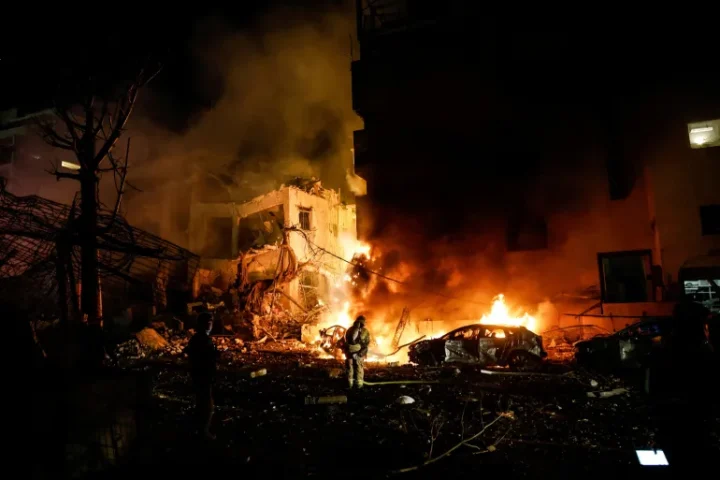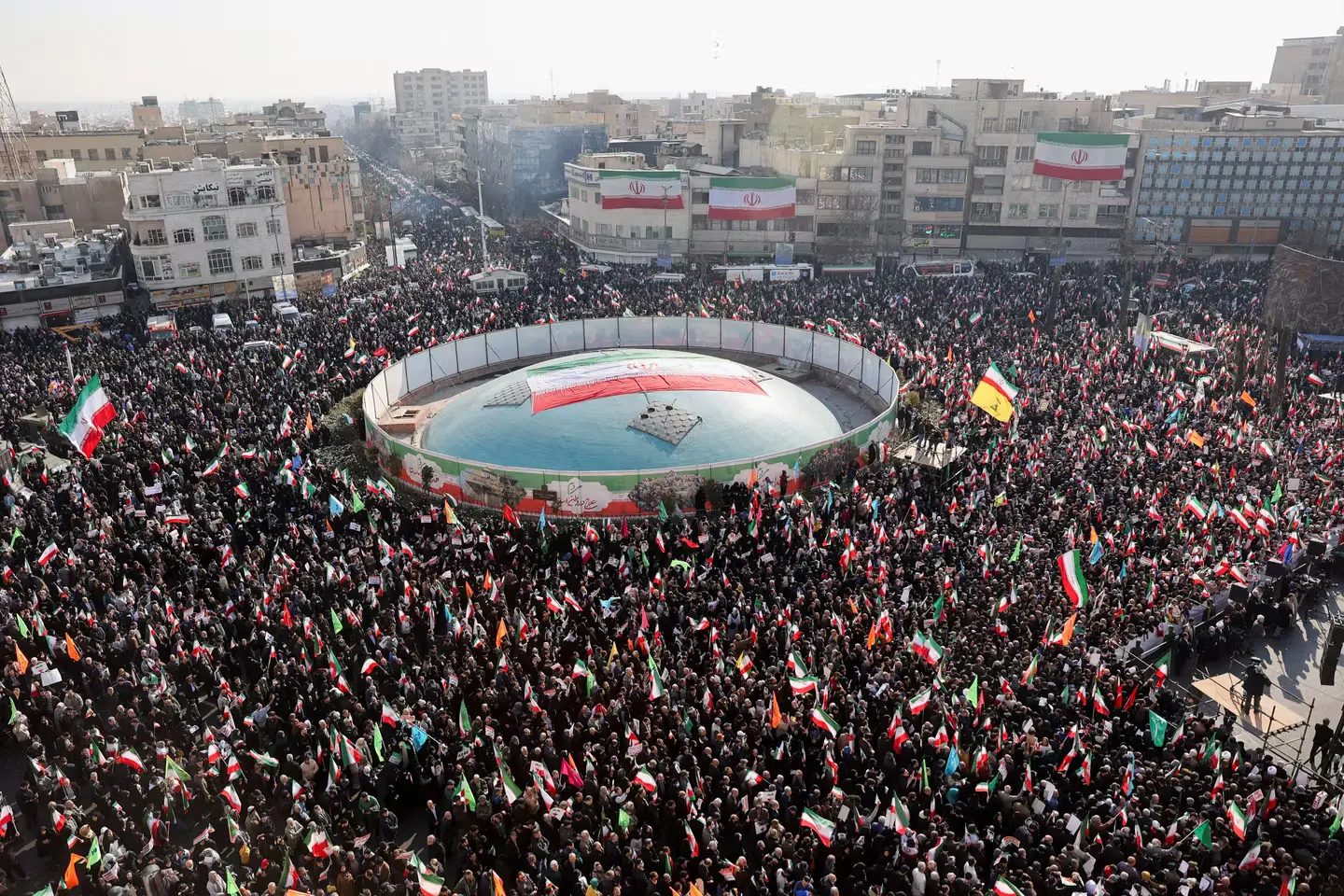
In the streets of Tehran, Mashhad, and Isfahan, the chants grow louder: “No to Gaza; no to Lebanon; my life only for Iran.” As of January 2026, Iran’s Islamic Republic faces its most existential crisis yet, with nationwide protests fueled by economic collapse, corruption, and a humiliating military defeat to Israel in the 12-day war of June 2025. The regime’s proxies, Hezbollah, Hamas, and the Houthis, lie in tatters, and Supreme Leader Ali Khamenei’s grip on power appears brittle. While the ayatollahs cling to survival through brute force, killing thousands and arresting more, the question is no longer if the regime will fall, but when, and what seismic waves it will send across the Middle East. The collapse of this 47-year-old theocracy would not just end an era of revolutionary zeal; it would upend regional power dynamics, ignite new conflicts, and potentially usher in a more stable order, albeit through a gauntlet of chaos.
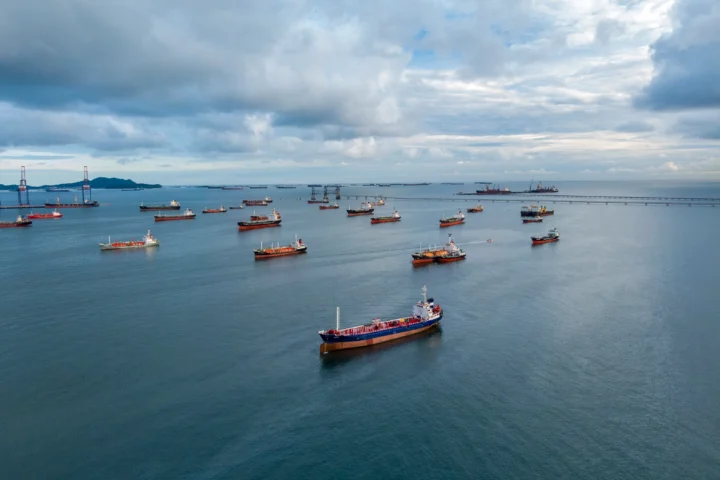
Iran’s Islamic Republic has long been the linchpin of instability in the Middle East, exporting revolution through a network of armed proxies that stretch from Yemen to Lebanon. Founded in 1979 on Ayatollah Ruhollah Khomeini’s vision of Shia supremacy and anti-Western defiance, the regime has funneled billions into groups like Hezbollah in Lebanon, the Houthis in Yemen, and Shia militias in Iraq and Syria. This “axis of resistance” has prolonged civil wars, blockaded shipping lanes, and threatened Israel’s existence. The regime’s ballistic missile arsenal and nuclear ambitions have kept Gulf states on edge, fueling an arms race with Saudi Arabia and the UAE. Economically, Iran’s control over the Strait of Hormuz, through which 20% of global oil flows, gives it leverage to disrupt world markets at will. But beneath this facade of strength lies a hollowed-out state: inflation hovers at 50%, brain drain saps talent, and environmental crises like drought erode legitimacy. A regime collapse would dismantle this architecture overnight, creating a vacuum that could either foster peace or spawn new horrors.
The immediate fallout within Iran itself would be cataclysmic, rippling outward like shockwaves from an earthquake. A sudden implosion could fracture the country along ethnic and sectarian lines, Kurds in the northwest, Arabs in the southwest, Baluchis in the southeast, all harboring separatist aspirations. Historical precedents are grim: the fall of Saddam Hussein in Iraq led to sectarian bloodletting, while Libya’s post-Gaddafi chaos birthed rival militias and human trafficking hubs. In Iran, a civil war might unleash refugee flows numbering in the millions, overwhelming neighbors like Turkey, Iraq, and Pakistan. Turkey, already hosting millions of Syrian refugees, fears renewed Kurdish unrest along its border, potentially reigniting its own internal conflicts. For Iraq, home to powerful Shia militias loyal to Tehran, the loss of Iranian patronage could spark infighting among groups like the Popular Mobilization Forces, destabilizing Baghdad’s fragile government. The risk of Iranian separatists seeking foreign backing, from the U.S., Turkey, or even Pakistan, could turn border regions into proxy battlegrounds, drawing in external powers and prolonging violence for years.
Beyond Iran’s borders, the regime’s fall would decapitate its proxy network, reshaping ongoing conflicts across the region. Hezbollah, once Lebanon’s de facto military, has been massively degraded since Israel’s campaigns post-October 7, 2023, but it still relies on Iranian weapons and funding. Without Tehran, the group might splinter or seek new patrons like Qatar or Turkey, but its ability to provoke Israel would diminish sharply. In Yemen, the Houthis, emboldened by Iranian missiles, have disrupted Red Sea shipping, but a post-regime Iran could end that support, allowing Saudi-led coalitions to negotiate peace and reopen vital trade routes. Gaza and the West Bank would feel the pinch too: Hamas, already weakened, would lose a key arms supplier, potentially forcing it toward reconciliation with the Palestinian Authority or even indirect talks with Israel. Syria, freshly liberated from Bashar al-Assad’s rule, might see Iranian-backed militias disband, enabling reconstruction but also risking turf wars among remnants. Overall, this proxy unwind could reduce terrorism and sectarian strife, benefiting Israel immensely, potentially leading to normalized ties with more Arab states and a slashed defense budget. Yet, the transition wouldn’t be seamless; surviving militants could adapt, turning to crime or allying with Sunni extremists, creating hybrid threats in a lawless vacuum.
The power balance in the Middle East would shift dramatically, empowering Sunni-led Gulf states while challenging others. Saudi Arabia and the UAE, long rivals to Iran’s Shia hegemony, stand to gain the most. With Tehran sidelined, Riyadh could consolidate influence in Iraq and Yemen, perhaps accelerating its Vision 2030 reforms without the shadow of Iranian sabotage. However, this could exacerbate intra-Gulf tensions: the UAE and Saudi Arabia’s rivalry, already evident in Yemen and OPEC disputes, might intensify as they vie for dominance in a post-Iran order. Turkey, under President Erdogan or his successors, might exploit the void to expand its neo-Ottoman ambitions, supporting Turkic minorities in Iran or bolstering influence in Azerbaijan and Central Asia. Israel, freed from the constant irritation of Iranian encirclement, could pivot to economic integration via the Abraham Accords, but it risks overreach, covert operations inside a collapsing Iran might provoke backlash or drag it into quagmires. Meanwhile, a fragmented Iran might invite Russian or Chinese meddling: Moscow, bogged down in Ukraine, could lose a key ally against NATO; Beijing, reliant on Iranian oil, might prop up factions to secure supplies, complicating U.S. efforts to contain them.
Economically, the fall would jolt global markets, with the Middle East bearing the brunt. Iran’s oil exports, already curtailed by sanctions, could halt amid chaos, spiking prices and straining Gulf producers to fill the gap. The Strait of Hormuz, a chokepoint for 30% of seaborne oil, might see disruptions if naval forces splinter or pirates emerge. For energy-dependent Europe and Asia, this means higher costs and potential recessions. Yet, positives lurk: a democratic Iran could rejoin global trade, dismantling its nuclear program, estimated to have cost half a trillion dollars in sunk investments and lost revenue, and attracting foreign investment. Gulf states might invest in Iranian infrastructure, fostering regional connectivity like pipelines and rail links, turning adversaries into partners. However, short-term instability could fuel black markets, arms smuggling, and human trafficking, undermining economies from Jordan to Oman.
Globally, the regime’s demise would test great-power strategies. The U.S., under President Trump, has signaled support for protesters but warned of strikes if Iran retaliates against American bases. Direct intervention risks a wider war, drawing in Israel and Gulf allies, but inaction might allow Russia or China to fill the void. Europe, wary of refugees and energy shocks, could push for humanitarian corridors. The key is managed transition: international sanctions could hasten collapse, but aid packages might prevent Libya-style anarchy. A post-theocratic Iran, secular, nationalist, and integrated, could stabilize the region, echoing Eastern Europe’s post-Soviet thaw.
The fall of Iran’s Islamic Republic would shake the Middle East to its core, dismantling a web of terror but risking fragmentation and proxy rebirths. While chaos looms, refugees, civil strife, economic tremors, the upside is profound: reduced conflicts, empowered moderates, and a chance for peace dividends. Policymakers must prepare now, supporting Iranian civil society without invasion, to guide this upheaval toward renewal rather than ruin. The region’s future hangs in the balance; a new dawn awaits, but only if the night doesn’t consume it first.
References and Further Reading
- Atlantic Council. (2025, December 16). What will 2026 bring for the Middle East and North Africa?https://www.atlanticcouncil.org/blogs/menasource/what-will-2026-bring-for-the-middle-east-and-north-africa
- BBC News. (2026, January 13). Jeremy Bowen: Authoritarian regimes die gradually then suddenly, but Iran is not there yet. https://www.bbc.com/news/articles/cedwgn4pqv4o
- Brookings Institution. (2026, January 13). The new Iranian revolution has begun. https://www.brookings.edu/articles/the-new-iranian-revolution-has-begun
- Carnegie Endowment for International Peace. (2025, November). What kind of future for Iran?https://carnegieendowment.org/middle-east/diwan/2025/11/what-kind-of-future-for-iran?lang=en
- Council on Foreign Relations. (2025, June 20). Iran’s regime rattled but resilient—So far. https://www.cfr.org/expert-brief/irans-regime-rattled-resilient-so-far
- Council on Foreign Relations. (2026, January 13). What Iran’s protests mean for countries in the Middle East. https://www.cfr.org/expert-brief/what-irans-protests-mean-countries-middle-east
- Foreign Affairs. (2026, January 14). The Iranian regime could fall. https://www.foreignaffairs.com/iran/iranian-regime-could-fall
- Foreign Policy Research Institute. (2025, October). Humiliation and transformation: The Islamic Republic after the 12-day war. https://www.fpri.org/article/2025/10/humiliation-and-transformation-the-islamic-republic-after-the-12-day-war
- International Crisis Group. (2026, January 13). Iran in crisis: Time for a change from within. https://www.crisisgroup.org/middle-east-north-africa/iran-united-states/iran-crisis-time-change-within
- Reuters. (2026, January 9). Iran’s rulers face legitimacy crisis amid spreading unrest. https://www.reuters.com/world/middle-east/irans-rulers-face-legitimacy-crisis-amid-spreading-unrest-2026-01-09
- Reuters. (2025, October 21). Iran risks severe economic downturn, unrest as renewed UN sanctions bite. https://www.reuters.com/world/middle-east/un-sanctions-raise-risk-severe-recession-renewed-unrest-iran-2025-10-21
- The New York Times. (2026, January 4). Iran faces economic challenges and military threats. https://www.nytimes.com/2026/01/04/world/middleeast/iran-protests.html
- The New York Times. (2026, January 14). Iran’s leaders may survive protests. But anger will likely persist.https://www.nytimes.com/2026/01/14/world/middleeast/iran-protests-government.html
- The New York Times. (2026, January 10). Opinion | Iran is teetering. The West isn’t prepared.https://www.nytimes.com/2026/01/10/opinion/iran-protests-trump-regime-islamic-republic.html
- The Washington Post. (2026, January 5). Ripple: Iran protests and the Islamic Republic. https://www.washingtonpost.com/ripple/2026/01/05/iran-protests-islamic-republic-regime-change
- Al Jazeera. (2026, January 6). Iran’s New Year demonstrations and the question of regime survival. https://www.aljazeera.com/opinions/2026/1/6/irans-new-year-demonstrations-and-the-question-of-regime-survival
- Al Jazeera Centre for Studies. (2025). Iran in the Israeli calculus: What comes next?https://studies.aljazeera.net/en/policy-briefs/iran-israeli-calculus-what-comes-next
- House of Commons Library. (2026, January 12). Iran: Impacts of June 2025 Israel and US strikes. https://commonslibrary.parliament.uk/research-briefings/cbp-10292
- House of Commons Library. (2026, January 14). Iran: What challenges face the country in 2026?https://commonslibrary.parliament.uk/research-briefings/cbp-10456
- Wikipedia. (2026, January 14). 2025–2026 Iranian protests. https://en.wikipedia.org/wiki/2025%E2%80%932026_Iranian_protests
- Wikipedia. (2026, January 11). Iran–Israel war. https://en.wikipedia.org/wiki/Iran%E2%80%93Israel_war
- Britannica. (2025, June 12). Israel-Iran conflict (2025). https://www.britannica.com/event/Israel-Iran-conflict
- Republic World. (2026, January 12). Why the fall of Iran’s Islamic Republic would shake the Middle East region. https://www.republicworld.com/opinion/why-the-fall-of-irans-islamic-republic-would-shake-the-middle-east-region
- Foundation for Defense of Democracies. (2026, January 13). Iran’s Islamic rulers are teetering on collapse. Trump must give them a final shove.https://www.fdd.org/analysis/2026/01/13/irans-islamic-rulers-are-teetering-on-collapse-trump-must-give-them-a-final-shove