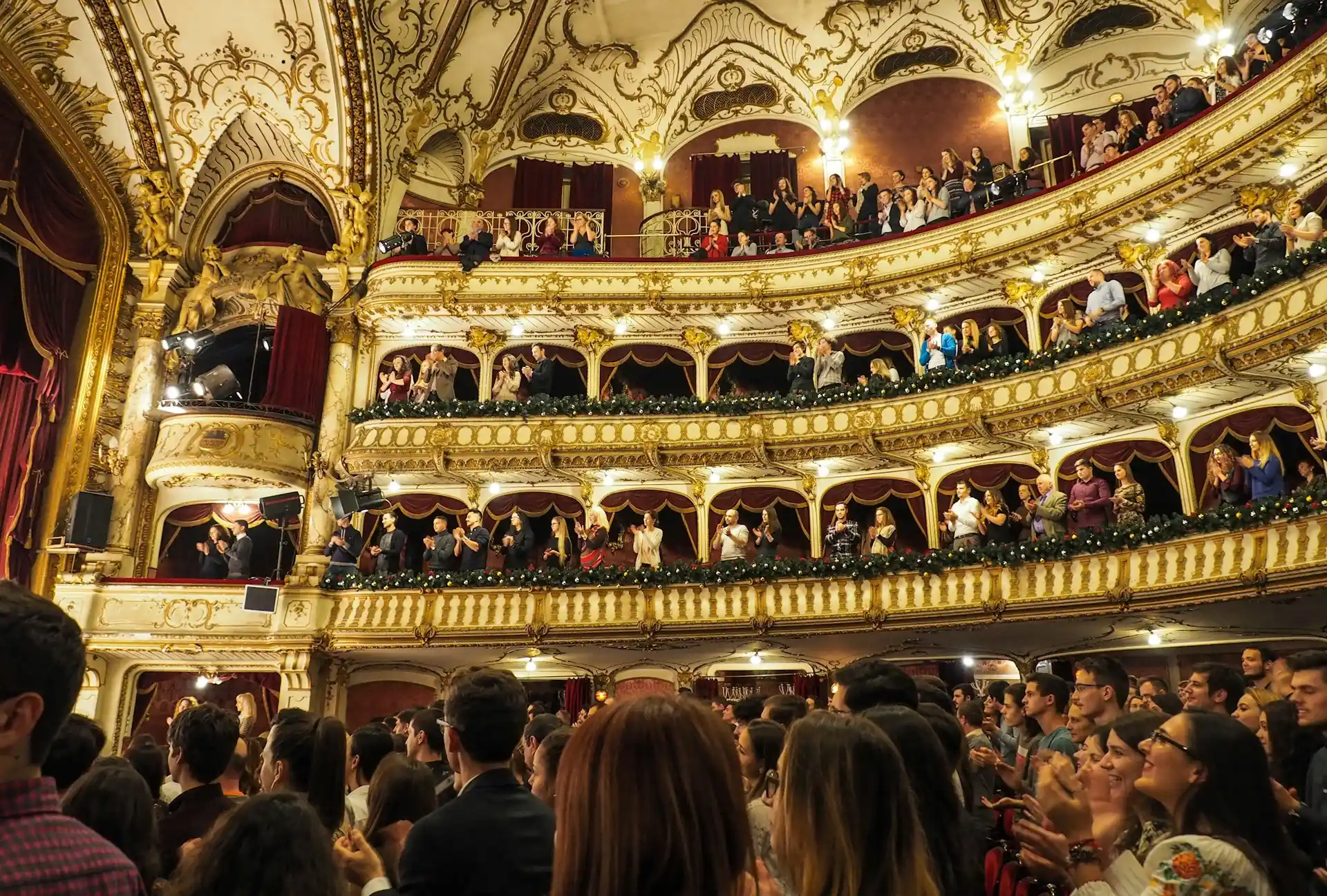
Every few years, the same dramatic proclamation echoes through cultural commentary: “Opera is dying.” Headlines cite slumping live attendance, aging audiences, and mounting financial pressures on companies. National surveys from organizations like OPERA America show ticket sales for major U.S. opera companies dropped 21% between 2019 and 2023, with revenue falling 22% over the same period. The Metropolitan Opera’s 2024-25 season hovered around 72% capacity, below projections in some stretches, and modern works often lag behind classics in drawing crowds. Production costs soar while traditional funding models—reliant on aging donors and ticket sales—strain under inflation and shifting priorities.
Yet opera is far from terminal. The art form endures because its core appeal—profound storytelling, emotional intensity, vocal athleticism, and orchestral grandeur—remains unmatched in an era of fleeting digital distractions. Global market projections even suggest growth, with estimates pointing to a compound annual rate of around 12-13% through the 2030s, fueled by tourism, infrastructure investments, and efforts to reach new demographics. The real crisis isn’t extinction; it’s adaptation. Opera’s traditional model, built around in-person exclusivity and “old money” patronage, is faltering in a world dominated by on-demand entertainment. To thrive, the genre requires a bold second act: fully embracing the streaming era without abandoning the irreplaceable magic of live performance.
The evidence for hope lies in audience behavior. Assumptions that younger generations ignore classical music or opera prove unfounded when access barriers drop. During the pandemic, when companies streamed performances, younger viewers tuned in en masse. Platforms reported surges in classical streams—Deezer noted a 17% increase in the year following early lockdowns—and newcomers discovered the form from their couches. Recent studies from OPERA America reveal that first-time attendees are younger, more racially and ethnically diverse, and span broader income levels than long-time patrons. Newcomers often cite ticket costs as a barrier to returning, but digital exposure builds curiosity and loyalty.
Major houses have pioneered this path. The Metropolitan Opera’s “On Demand” subscription service offers hundreds of archived and live performances worldwide for a modest monthly fee, reaching audiences who may never visit Lincoln Center. Its Live in HD cinema transmissions, now in their 19th season for 2025-26, beam productions like Rossini’s Il Barbiere di Siviglia to theaters globally, partnering with entities like the Royal Ballet and Opera to expand reach. The Royal Opera House’s streaming platform delivers on-demand access alongside behind-the-scenes content, proving digital tools can democratize an art form once seen as elite.
But many companies lag. Too few invest seriously in audience data analytics, targeted digital experimentation, or social-media engagement beyond basic promotion. They treat streaming as an afterthought rather than a core strategy—risking the very cannibalization they fear, where convenient online viewing substitutes for (rather than supplements) live attendance.
The second act demands more ambition. Opera companies should:
- Build robust, user-friendly streaming ecosystems with tiered access—free highlights to hook newcomers, affordable subscriptions for full archives, and premium live exclusives.
- Create hybrid experiences: short-form digital content (trailers, singer interviews, rehearsals) to build anticipation, plus interactive elements like post-show Q&As or virtual backstage tours.
- Target younger viewers aggressively with modern stagings, diverse casting, and cross-genre collaborations that resonate on platforms like TikTok or YouTube.
- Use data to personalize outreach, turning one-time streamers into subscribers and eventual live attendees.
Streaming won’t replace the electric hush of a packed house during a climactic aria or the communal thrill of a curtain call. But it can expand the audience pyramid: drawing in millions digitally at the base, nurturing superfans who crave the live ritual at the top.
Opera has reinvented itself before—from court entertainment to public spectacle, from silent films to radio broadcasts. The streaming era is simply the latest transformation. By leaning into digital innovation while preserving live excellence, opera can secure not just survival, but a vibrant, inclusive renaissance. The curtain isn’t falling—it’s rising on a new act. The question is whether the industry will step boldly into the spotlight.