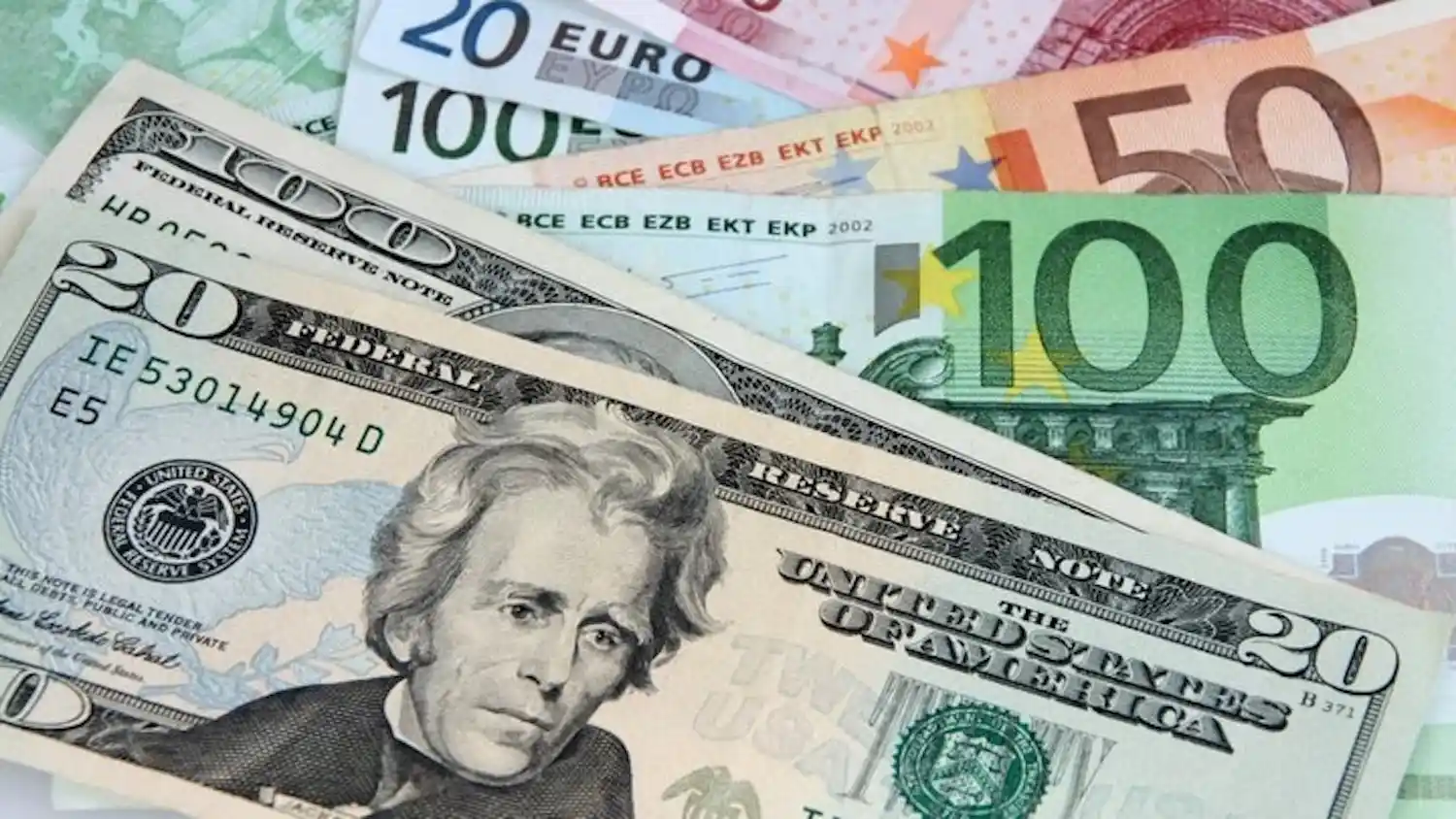
The US dollar has reigned as the world’s dominant reserve currency for decades, granting the United States an “exorbitant privilege”, the ability to borrow cheaply, finance deficits effortlessly, and wield geopolitical influence through sanctions and financial systems. In recent years, however, cracks have appeared in this hegemony, fueled by US fiscal challenges, political polarization, aggressive trade policies, and the weaponization of the dollar. As of late 2025 and early 2026, the dollar’s share in global foreign exchange reserves hovers around 57-58% (down from higher levels in prior years), while the euro holds second place at approximately 20%.
Europe, home to the euro, the only credible near-term challenger, now confronts a pivotal question: Can it afford to actively challenge or displace the dollar? Policymakers, including European Central Bank (ECB) President Christine Lagarde, have highlighted a potential “global euro moment” amid US instability. Yet, a surging euro (recently surpassing $1.20 for the first time in years) exposes painful trade-offs, particularly for export-reliant economies like Germany.
The Allure of a Stronger Euro
A more international euro promises tangible benefits. Greater global demand for euro-denominated assets would lower borrowing costs for European governments and firms, enhance currency stability, and shield the bloc from US sanctions or extraterritorial measures. The pandemic-era joint EU debt issuance created more high-quality, liquid euro assets, attracting central banks seeking diversification. Geopolitical shifts, including US tariffs, erratic policies under the current administration, and concerns over US debt sustainability, have prompted some investors to hedge against dollar risks, boosting the euro.
ECB officials argue that deepening fiscal integration, expanding safe assets, and advancing capital markets union could elevate the euro’s role. In a fragmented world, the euro’s institutional stability and rule-of-law backing position it as a reliable alternative. Some analysts see opportunities in BRICS-led de-dollarization efforts, which indirectly favor non-dollar options like the euro, though BRICS primarily pursues local-currency trade and gold accumulation rather than euro promotion.
Hidden Costs and Internal Conflicts
Despite these advantages, Europe grapples with whether it can “afford” the pursuit. A stronger euro harms competitiveness. Export-oriented Germany, where exports drive growth and support millions of jobs, faces higher costs as the currency appreciates. Recent euro strength has already burdened German exporters, prompting concerns from industry leaders and ECB watchers about resuming rate cuts to temper appreciation.
Historically, Europe viewed internationalizing the euro as a risk rather than an opportunity, fearing it would undermine its export model. Unlike the US, which tolerates persistent deficits to sustain dollar demand, the Eurozone prioritizes fiscal discipline and export surpluses. Promoting the euro globally requires flooding markets with safe, liquid assets, potentially via more joint Eurobonds, but these remain politically contentious. Germany and Nordic countries oppose deeper fiscal union, fearing moral hazard and loss of sovereignty.
The Eurozone’s structural fragmentation compounds the issue. Without full fiscal and political unity, unlike the US federal system, the euro lacks the unified backing needed for true reserve dominance. Limited military cohesion and geopolitical weight further hinder it. While the dollar benefits from unmatched financial market depth and US global influence, the euro struggles against these barriers.
Recent developments underscore the dilemma. Dollar weakness from US policy uncertainty has driven euro gains, but European officials exhibit a “panic reflex” at rapid shifts, wary of damaging growth. Discussions on reinforcing the euro’s role continue, yet progress remains incremental.
Europe’s calculus occurs amid wider shifts. BRICS initiatives accelerate gradual de-dollarization through local settlements and reduced dollar reserves, but they rarely position the euro as primary beneficiary, often favoring renminbi or gold. US policies, including tariffs and threats, inadvertently push diversification, yet Europe remains intertwined with US markets. European holdings of US assets (around $8-12 trillion in bonds and equities) provide potential leverage in disputes (e.g., over Greenland or trade), but dumping them risks mutual harm.
A Cautious Path Forward
Europe stands at a crossroads. Challenging the dollar offers sovereignty gains and protection from US whims, but the costs, economic pain for exporters, political divisions over integration, and the risk of over-appreciation loom large. The euro could gradually expand its footprint if Europe advances reforms: safer assets, unified markets, and strategic ambition. However, fully displacing the dollar remains improbable without seismic changes.
For now, Europe may “afford” incremental steps toward a stronger international role, hedging against dollar vulnerabilities without fully confronting its dominance. True rivalry demands sacrifices many member states hesitate to make. As one observer notes, reserve status is an “exorbitant privilege” that comes with costs, and Europe must weigh if it is prepared to pay them in pursuit of greater autonomy.