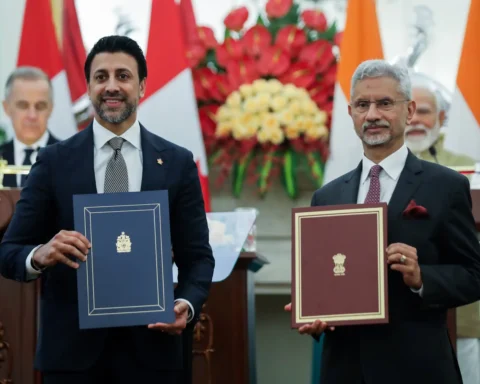
Canadian agri-tech is already shaping how Indian farmers grow, store, and process food, and if we are serious about global food security, we should treat these partnerships not as charity or “market
When a missile strike can knock out cloud infrastructure across a region, protecting data centres must become as central to national security as air defence, energy grids and nuclear command-and-control. At approximately
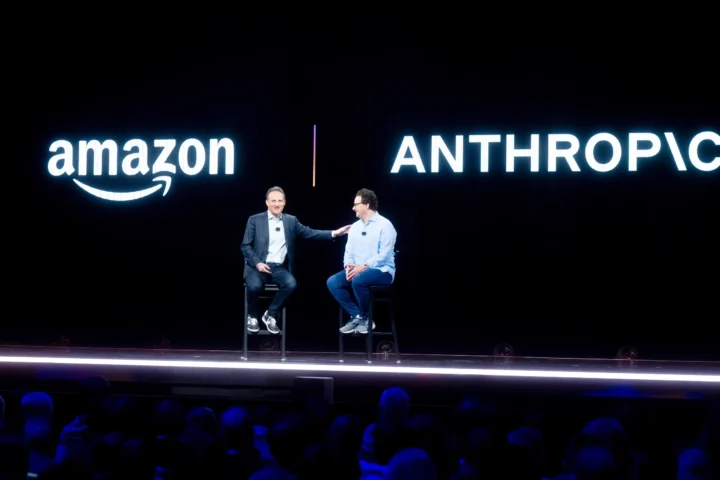
The escalating standoff between the Pentagon and Anthropic represents a troubling milestone in the U.S. government’s pursuit of advanced artificial intelligence for national security. What began as a promising $200 million contract
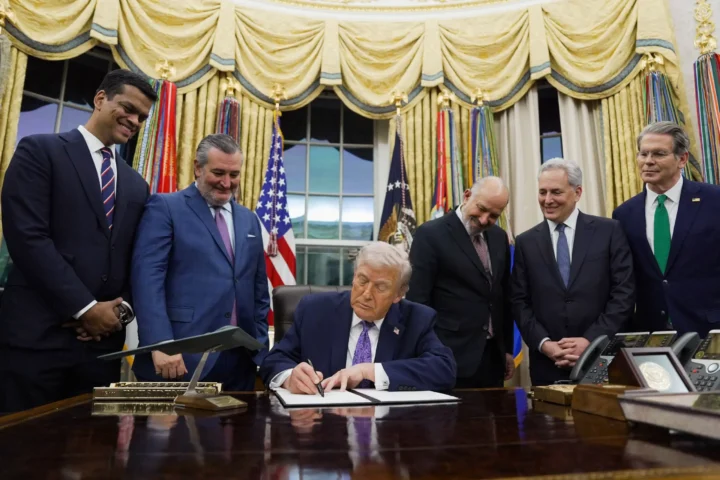
President Trump’s new executive order on artificial intelligence reflects a deeply rooted American instinct: don’t choke the next great technology before it has a chance to grow. It is an instinct forged
Amazon’s fresh pledge to invest $35 billion in India over five years, coming days after Microsoft’s $17.5 billion commitment to cloud and AI infrastructure, signals that India has become the primary global
The clash over the EU’s Digital Services Act (DSA) enforcement—embodied in the recent €120 million penalty against X—marks far more than a regulatory spat. It is a geopolitical confrontation over who controls
There was a time—not so long ago—when logging onto Twitter felt like slipping into a crowded bar where everyone was witty, well-read, and improbably on the pulse of whatever mattered. Yes, it
By reaching a settlement with Google over how the company seeks consent to use customer data, Italy’s competition watchdog has underscored an important reality of Europe’s digital rulebook: even in an era
Silicon Valley likes to move fast and break things. But what happens when the things at stake are not social networks or taxi markets, but the global climate system itself? That question
India stands at a historic inflection point. A nation of nearly 1.4 billion people is poised to harness the transformative power of artificial intelligence (AI) not as a job destroyer but as
The European Union’s pledge to pursue a “sovereign digital transition” masks a fundamental tension within its two most influential members — France and Germany — over what sovereignty in the digital age
When Google announced a $15 billion bet on an AI and data hub in Visakhapatnam, India this week, it quietly redrew the map of global technology. For anyone watching the geopolitics of
The European Union’s long-gestating plan to combat online child sexual abuse material (CSAM) has hit another wall — and the reasons why reveal something profound about Europe’s digital politics. What began as