The United States has carried out large-scale airstrikes in Venezuela and removed President Nicolás Maduro from power in a lightning operation that has stunned Latin America and triggered a global debate over sovereignty, legality and the future of Venezuelan democracy. Maduro and his wife Cilia Flores have been flown to New York to face narco‑terrorism and related charges in U.S. courts, while Washington says it will temporarily “run” Venezuela pending a political transition.
What happened in Venezuela
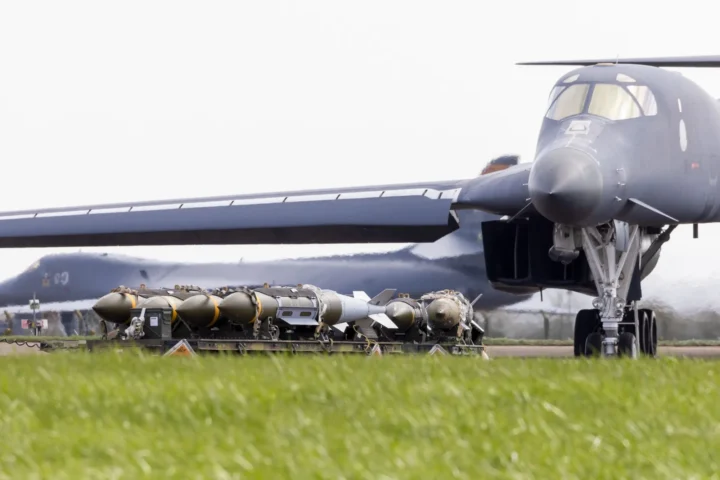
In the early hours of 3 January 2026, explosions and low‑flying aircraft were reported over Caracas and other locations in northern Venezuela as the U.S. military launched coordinated strikes. Targets included key military installations and infrastructure such as the Generalissimo Francisco de Miranda Air Base (La Carlota), Fort Tiuna in Caracas, and facilities in the coastal state of La Guaira and surrounding areas.
Video shows Venezuela’s night sky engulfed in flames after US strikes, capture of dictator Nicolás Maduro https://t.co/6D8FAs58A1 pic.twitter.com/OiGfQaKZDp
— New York Post (@nypost) January 3, 2026
Witnesses described multiple blasts around 2 a.m. local time, with fires visible on runways and reports of aircraft flying low over the capital for at least an hour. Venezuelan officials accused the U.S. of hitting both military and civilian areas, reporting fatalities and injuries and condemning the operation as “terrorist” and a grave violation of the UN Charter.
How Maduro was captured and arrested
U.S. officials say the operation to seize Maduro was a rapid special forces raid conducted under the cover of the air campaign. Members of the U.S. Army’s Delta Force, supported by helicopters from the 160th Special Operations Aviation Regiment, entered Caracas after airstrikes had degraded Venezuelan air defenses and disabled parts of the capital’s power grid.
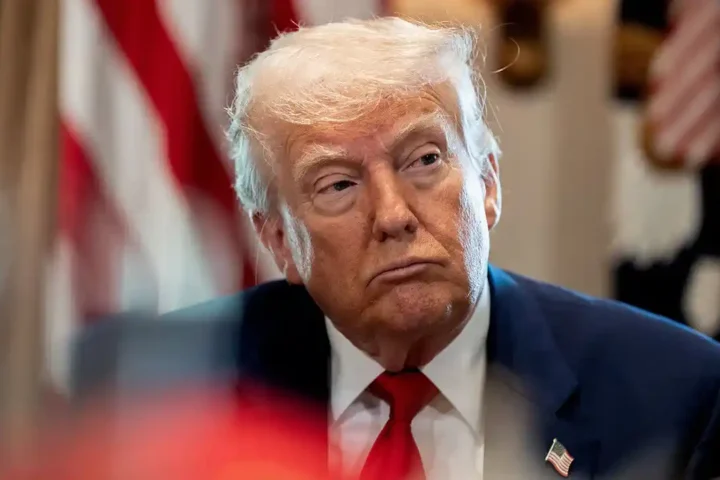
President Donald Trump announced that Maduro and his wife were “captured and flown out of the Country” as part of what he called a “large scale strike against Venezuela and its leader.” The couple was transported to a U.S. military facility and then to Stewart Air National Guard Base in New York state, where they are now in U.S. custody facing a superseding indictment that builds on earlier narco‑terrorism charges first filed in 2020.
Legal and political justification claimed by Washington
Washington has long accused Maduro of running a narco‑state and conspiring with criminal organizations, including the Venezuelan gang Tren de Aragua, to traffic drugs and weapons. U.S. authorities had previously put a multi‑million‑dollar bounty on Maduro’s head and indicted him for narco‑terrorism and weapons offenses “against the United States.”
In public statements, Trump framed the strikes and the arrest as a law‑enforcement‑plus‑military action designed to bring an alleged criminal leader to justice and to “make Venezuela great again” by paving the way for a new government. The U.S. position, in essence, blends arguments about counter‑narcotics, counter‑terrorism and humanitarian concern for Venezuelans suffering under prolonged economic and political crisis.
International law experts, however, are sharply divided over whether the U.S. had any legal basis to use force on the territory of a sovereign state to capture its sitting president without UN Security Council authorization or a clear case of self‑defense. Critics argue that the move violates the UN Charter’s prohibition on the use of force and sets a dangerous precedent for regime change operations disguised as criminal arrests.
Caracas, the region, and the world react
Inside Venezuela, the sudden removal of Maduro has produced a mix of fear, relief and uncertainty. Some Venezuelans in Caracas expressed hope that the end of Maduro’s rule could open the door to democratic change, while others worried about escalation, occupation and the risk of civil conflict in the power vacuum.
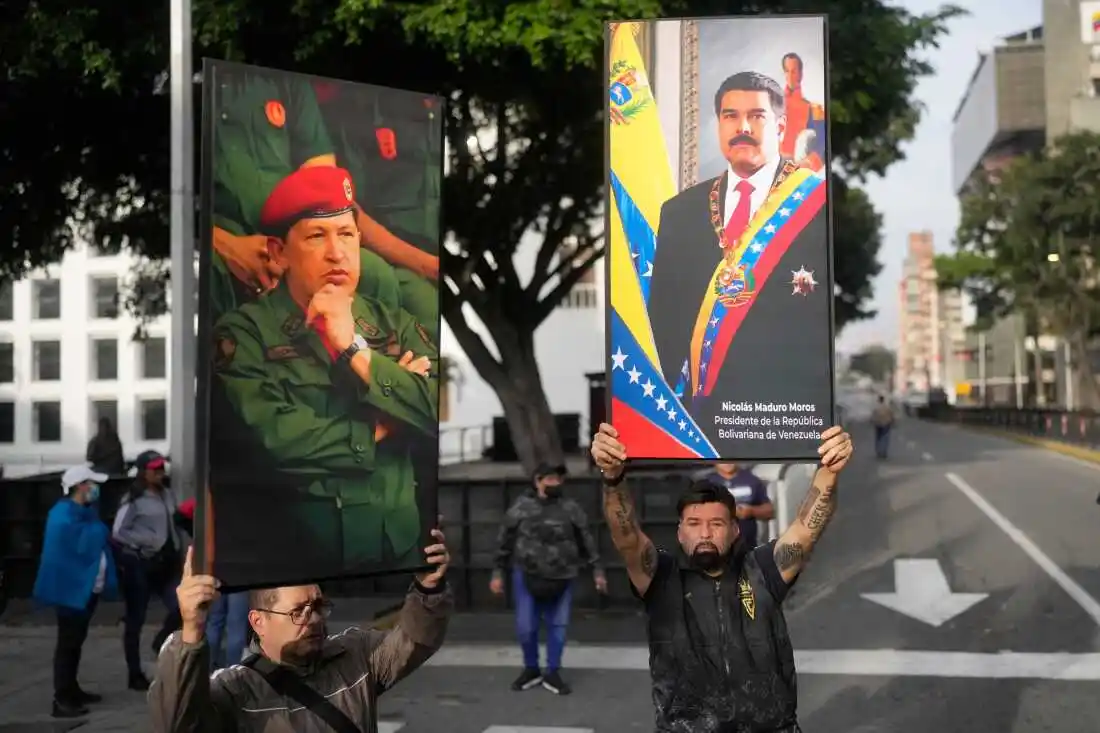
Venezuelan authorities loyal to Maduro denounced the operation as an “illegal kidnapping” and an assault on national sovereignty, insisting he remains the “only president of Venezuela.” The government declared a national emergency, reported dozens of deaths, and accused the U.S. of carrying out a “grave military aggression” targeting both civilian and military sites.
Across Latin America and beyond, governments have reacted with alarm at a major U.S. military operation on the continent. Even countries critical of Maduro have voiced concern about the precedent of unilateral strikes and the explicit U.S. claim that it will “run” Venezuela, fearing a return to interventionist patterns many associate with the Cold War.
What “running” Venezuela could mean
Trump has said the U.S. will temporarily administer Venezuela “until such time as we can do a safe, proper and judicious transition.” In practice, this implies some combination of:
- De facto control over key levers of the Venezuelan state, especially security, finance and energy.
- Close coordination with opposition figures and selected officials, such as Vice President Delcy Rodríguez, whom Trump suggested was willing to cooperate with U.S. plans.
- Expanded sanctions relief or new economic programs tied to political reforms and a roadmap for elections.
But the institutional picture in Caracas is extremely murky: the constitutional line of succession, the military’s real loyalties, and the stance of regional organizations such as the OAS and CELAC will determine how far U.S. influence can extend in practice.
If large segments of the Venezuelan armed forces and ruling party reject U.S. control, Washington could face a prolonged standoff, insurgency or de facto partition between U.S.‑backed and Maduro‑loyalist factions. Conversely, if a critical mass of elites switches sides, the U.S. may be able to steer a relatively swift transition, albeit under the shadow of contested legality and strong nationalist resentment.
Implications for global politics
The strikes and arrest mark a dramatic escalation in U.S. policy toward Venezuela and signal a more aggressive posture under Trump’s second term. The operation underscores how Washington is willing to mix criminal indictments, sanctions, covert pressure and overt force to pursue adversarial leaders in its near abroad.
For Latin America, the episode revives deep anxieties about U.S. intervention and could re‑polarize regional diplomacy between governments that prioritize human rights and democracy and those that emphasize sovereignty and non‑intervention. It also offers other major powers, notably Russia and China, new openings to criticize U.S. actions and court governments wary of Washington’s reach.
For Venezuela’s 28 million people, the central question is whether this extraordinary act—bombing their territory and arresting their president—will bring any relief from years of economic collapse, authoritarian rule and mass emigration, or simply usher in a new phase of instability under external tutelage. The coming weeks, as Venezuelan institutions, the armed forces and foreign governments decide how to respond, will determine whether the country moves toward negotiated transition, prolonged conflict, or some uneasy hybrid of both.