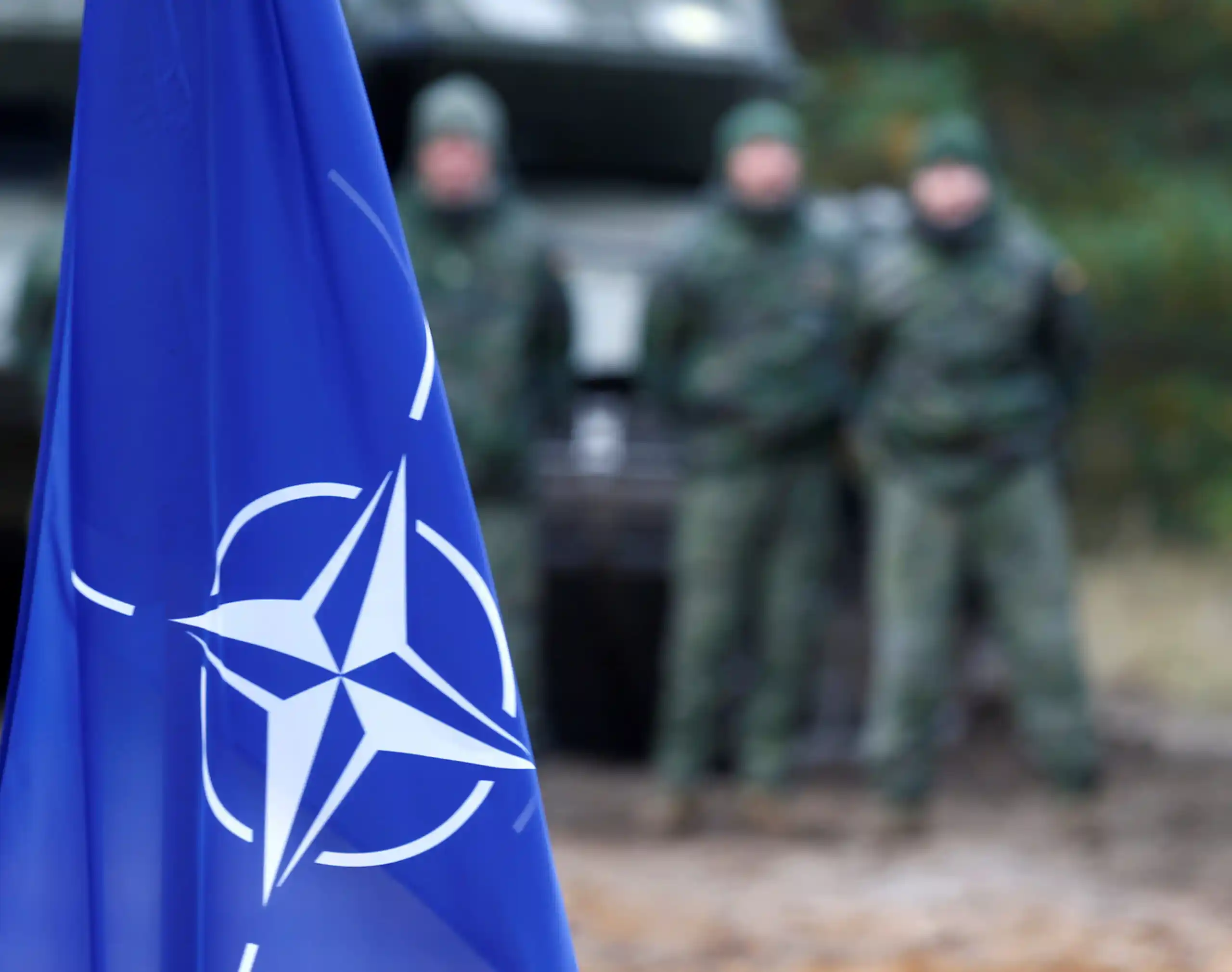
The Trump administration’s push to reset NATO, internally dubbed a “return to factory settings”, marks a pivotal moment for the transatlantic alliance and America’s global posture. As reported by POLITICO, Washington is pressing allies to end the NATO Mission in Iraq (NMI), potentially by September, while slashing other out-of-area commitments. This move, coupled with the planned full withdrawal of U.S. troops from Iraq by the same timeline under a 2024 bilateral agreement, signals more than fiscal prudence or fatigue from “forever wars.” It represents a deliberate redefinition of NATO’s purpose in an era of multipolar competition, one that could reshape security in the Middle East, strain alliance cohesion, and accelerate Europe’s march toward strategic autonomy.
At its core, the proposal revives a foundational debate about NATO’s identity. Founded in 1949 to deter Soviet aggression in Europe, the alliance evolved after the Cold War into a global security provider, undertaking missions in Afghanistan, Libya, and Iraq to combat terrorism and stabilize fragile states. The NMI, launched in 2018 during Trump’s first term and expanded at Baghdad’s request, exemplifies this shift: a non-combat advisory effort training Iraqi forces to prevent ISIS’s resurgence. Yet in Trump’s second term, such extensions are viewed as distractions from NATO’s “factory settings”, collective defense under Article 5 against threats in the Euro-Atlantic theater, chiefly Russia.
This pivot aligns with broader administration priorities. The 2026 National Defense Strategy emphasizes “America First” by prioritizing homeland defense, Indo-Pacific deterrence against China, and selective engagement elsewhere. Ending peripheral missions frees resources and personnel while pressuring European allies to shoulder more burden. Recent developments underscore this: NATO members have committed to higher defense spending (approaching or exceeding 5% of GDP in some cases), and command structures are shifting, with Europeans taking leadership of key posts in Norfolk and Naples. U.S. Ambassador to NATO Matt Whitaker has reassured allies that “America is not leaving Europe,” but the message is clear: Washington will provide high-end enablers, nuclear deterrence, intelligence, and logistics, while Europeans handle continental defense.
The consequences for Iraq and the wider Middle East could be profound. Iraq has made strides against ISIS since 2017, with its security forces increasingly capable. Baghdad has long sought greater sovereignty, publicly demanding U.S. and coalition withdrawals. Transitioning NMI to bilateral or purely political ties could enhance Iraqi autonomy and reduce anti-Western resentment fueled by perceived occupation. Yet risks loom. Residual ISIS cells persist in rural areas and along the Syrian border; a diminished international advisory footprint might allow regrouping or exploitation by Iran-aligned militias like the Popular Mobilization Forces. Spillover into Syria, where U.S. forces support anti-ISIS operations, remains a concern, especially if Trump accelerates drawdowns there too. A security vacuum could embolden adversaries, threatening regional stability and, ultimately, renewed terrorism risks to Europe and the United States.
Transatlantically, the reset tests NATO’s resilience amid existing strains. European allies value out-of-area missions for global counterterrorism and influence projection; abrupt curtailment could foster perceptions of U.S. abandonment, even as assurances against full withdrawal persist. Divisions may widen, between those embracing autonomy (France, perhaps Germany) and those reliant on U.S. leadership (Poland, the Baltics). Yet the push has inadvertently strengthened the alliance: Trump’s pressure has driven unprecedented spending increases, as NATO Secretary General Mark Rutte has acknowledged. Without it, many members might still languish below targets.
Globally, this recalibration reflects America’s adaptation to a world where China looms as the primary strategic rival. By de-emphasizing Middle East entanglements, Washington can redirect assets to Asia, where alliances like AUKUS and the Quad gain urgency. Adversaries may interpret reduced footprints as weakness, Russia probing Europe, Iran expanding proxies, but a more focused, burden-shared NATO could prove more sustainable and credible.
Critics will decry this as isolationism, arguing that withdrawing from stabilizing missions invites chaos, repeating mistakes like the 2011 Iraq pullout that enabled ISIS. Supporters counter that endless commitments erode domestic support and drain resources needed for great-power competition. The truth lies in execution: a hasty exit risks instability; a managed transition, bolstering bilateral ties, sustaining intelligence sharing, and empowering Iraqi forces, could vindicate the approach.
NATO’s “return to factory settings” is less a retreat than a repositioning for a multipolar age. It challenges Europe to mature as a security actor, Iraq to consolidate gains independently, and America to prioritize ruthlessly. Success depends on whether allies adapt without fracturing, and whether the Middle East withstands reduced Western presence. The coming months, as consensus builds (or stalls) in Brussels, will reveal if this reset fortifies the alliance or exposes its vulnerabilities. For now, it stands as Trump’s most consequential foreign-policy imprint yet, one that could redefine transatlantic security for a generation.