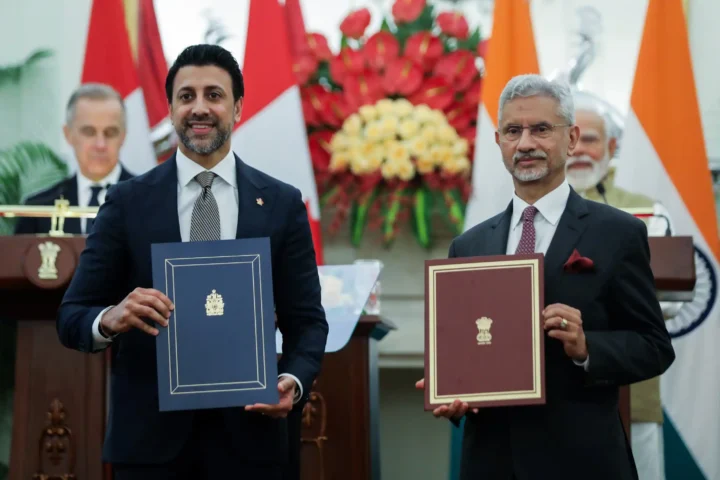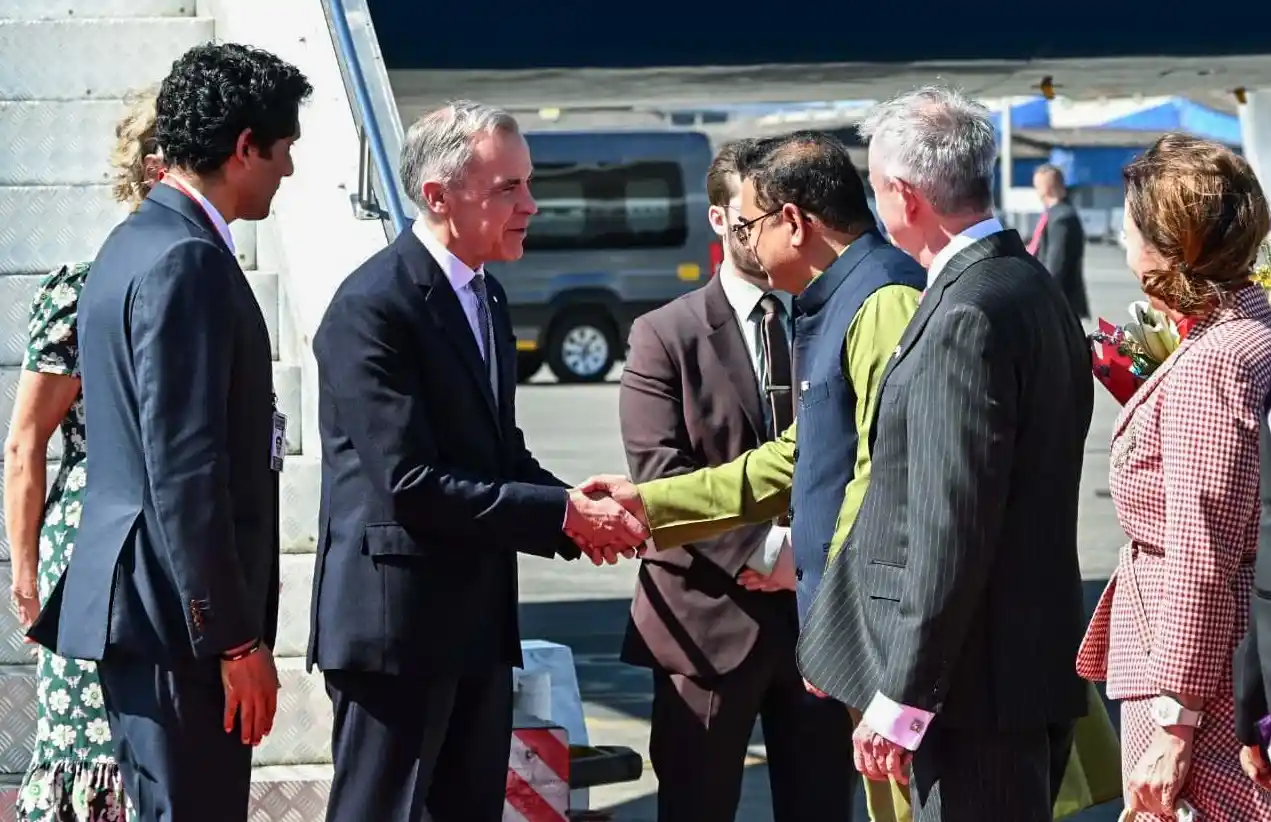
When Mark Carney touched down in Mumbai, he wasn’t merely making a diplomatic house call. He was signaling something more consequential: that Canada is finally ready to grow up about its place in the world.
The agenda of the trip — CEO roundtables, memoranda of understanding, a formal sit-down with Narendra Modi at Hyderabad House — are designed to project seriousness. But behind the choreography lies a genuinely important strategic bet, one that Canadians should understand clearly and, on balance, welcome.
Canada-India relations have been, to put it charitably, a mess. Diplomatic expulsions, consular standoffs, mutual accusations hurled across oceans — the bilateral relationship descended into a kind of institutional permafrost that served neither country. Trade talks stalled. Business communities on both sides watched opportunities evaporate. And Canada, preoccupied with its complicated southern entanglement, largely looked away. The damage accumulated quietly, bureaucratically, until the relationship became a cautionary tale about letting political grievances override strategic interests.
Carney’s trip is, at its core, an acknowledgment that this approach was costly and unsustainable. Framing the visit explicitly as a “reset,” his office isn’t pretending the past didn’t happen — it’s arguing that the future matters more. That’s not naivety. That’s statecraft.
The centrepiece of these talks is a Comprehensive Economic Partnership Agreement, or CEPA, negotiations for which were tentatively revived last November. Getting a CEPA across the line with India would be no small feat. India is a notoriously tough negotiating partner, protective of its domestic industries and historically skeptical of trade liberalization. Previous attempts at such agreements — with the European Union, with Canada itself in earlier rounds — have dragged on for years, occasionally collapsing under the weight of irreconcilable differences over tariffs, intellectual property, and professional credentials recognition.
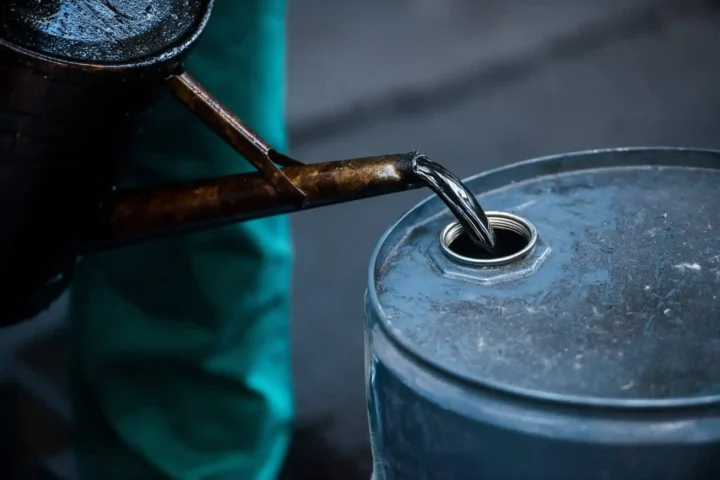
But the conditions today are arguably more favorable than they have been in a generation. India needs what Canada has: energy, particularly LNG and critical minerals essential to the green transition; agricultural technology; and the kind of stable, rules-based commercial relationships that underpin long-term investment. Canada, for its part, needs what India offers: a vast and rapidly expanding consumer market, a skilled technology workforce, and a diversification lifeline at a moment when dependence on the United States feels increasingly precarious.
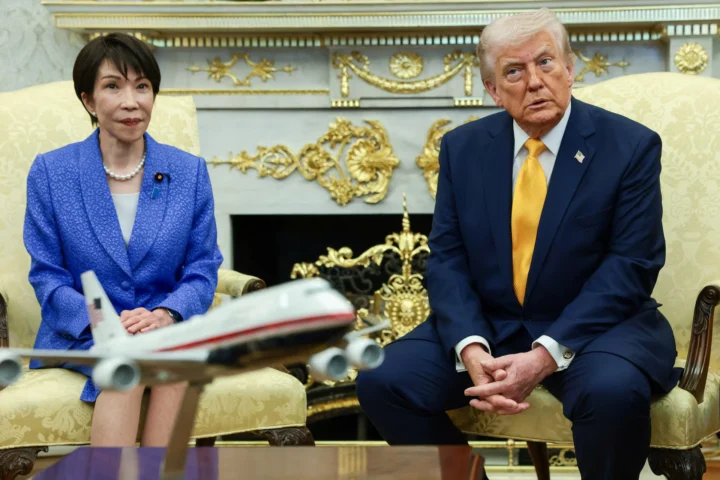
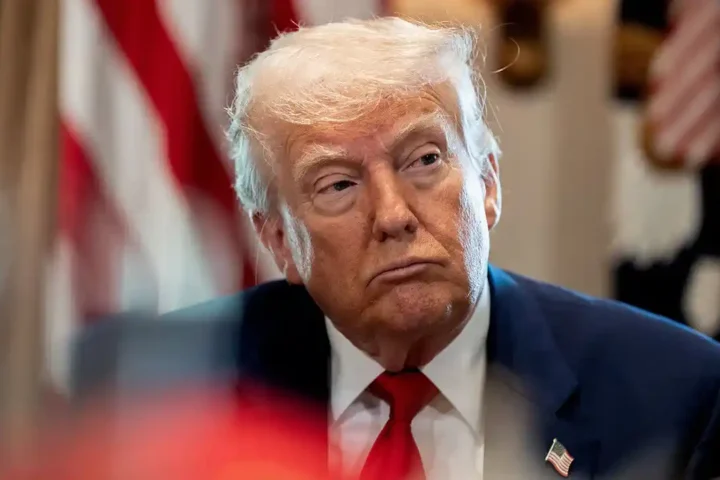
That last point deserves emphasis. The return of Donald Trump to the White House, along with his administration’s renewed enthusiasm for tariffs and economic coercion, has concentrated minds in Ottawa in a way that years of diplomatic rhetoric never quite managed. Canada exports roughly three-quarters of its goods to the United States. That figure, long treated as a sign of economic integration, now looks more like a vulnerability. The question isn’t whether Canada should diversify its trade relationships — it’s why it took this long to get serious about doing so.
India is the obvious answer. With 1.4 billion people, a growing middle class, and an economy on track to become the world’s third largest within a decade, India represents the kind of structural opportunity that doesn’t come along often. Canadian LNG could help fuel India’s industrial expansion while reducing its dependence on Russian and Middle Eastern supplies. Canadian critical minerals — lithium, cobalt, nickel — align with India’s electric vehicle and battery ambitions. In technology and artificial intelligence, both countries have complementary strengths and a shared interest in developing standards that don’t simply replicate American or Chinese models.
But there looms a question worth asking: Is Canada approaching India as a genuine long-term partner, or as a convenient hedge against American unpredictability? Partners notice the difference. If Ottawa’s enthusiasm for the relationship evaporates the moment Washington becomes more accommodating, New Delhi will remember. Building real strategic depth requires consistency across election cycles and economic cycles, not just urgency in moments of American discomfort.
But these caveats shouldn’t obscure what is, at bottom, a sound instinct. Carney, a former central banker who spent years navigating the corridors of global finance before entering politics, brings a particular credibility to this kind of mission. He understands that economic relationships are not built on sentiment but on aligned incentives, reliable institutions, and the patient accumulation of trust. His fluency in the language of capital markets and trade gives him tools that career politicians often lack when sitting across from counterparts who want to talk specifics.
The visit is also, quietly, a test of Canadian political will. It is relatively easy to announce a diplomatic reset. It is considerably harder to follow through when the negotiations become grinding, when domestic constituencies push back against Indian agricultural competition or professional licensing reciprocity, when the security file complicates the commercial one. The real measure of this trip won’t be the press statements that emerge from Bharat Mandapam. It will be whether, two years from now, there is a CEPA framework moving toward ratification and a bilateral relationship that has graduated from crisis management to genuine partnership.
That outcome is achievable. It is worth pursuing. And for Canada’s long-term prosperity, it may be more important than almost anything else on the foreign policy agenda.