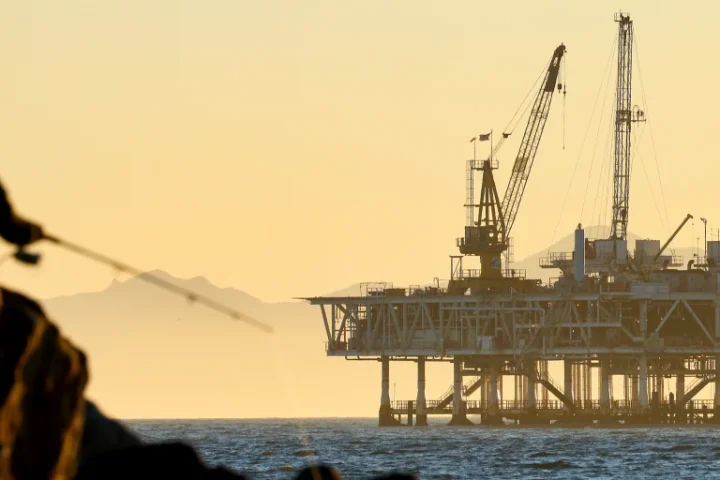
The Trump administration’s recent steps to ease sanctions on Venezuela’s oil sector represent a pragmatic pivot in U.S. foreign and energy policy, one that could benefit American producers, stabilize global oil markets, and advance strategic interests in Latin America. On February 10, 2026, the Treasury Department’s Office of Foreign Assets Control (OFAC) issued a general license authorizing U.S. companies to rehabilitate and maintain existing oil equipment in Venezuela—drills, pipelines, and other infrastructure that has deteriorated over years of neglect, corruption, and sanctions. This move builds on earlier licenses from late January and early February, which permitted trading, exporting, refining Venezuelan crude, and supplying U.S.-origin diluents essential for processing the country’s heavy oil.
Venezuela holds the world’s largest proven crude reserves, yet production has plummeted from over 3 million barrels per day in the early 2000s to under 1 million recently, largely due to mismanagement under the Maduro regime and U.S. sanctions imposed since 2019. The dramatic shift came after U.S. forces captured Nicolás Maduro in January 2026 on narco-terrorism charges, paving the way for an interim government more amenable to cooperation. President Trump has repeatedly emphasized reviving Venezuela’s oil industry, hosting executives from major U.S. firms and floating ambitious targets like $100 billion in investments to restore output to historic peaks. The latest license is a critical enabler: it allows companies to repair and refurbish assets without violating sanctions, setting the stage for expanded operations.
This is smart policy. For U.S. oil producers, the opportunity is clear. Chevron has long operated limited joint ventures in Venezuela under specific waivers, but broader access could draw in others like ExxonMobil or ConocoPhillips, whose expertise in heavy crude extraction matches Venezuela’s Orinoco Belt resources. Rehabilitating existing equipment—much of it American-made or designed—avoids the need for massive new builds initially, reducing upfront costs and risks. With global demand steady and geopolitical tensions in the Middle East and elsewhere, additional reliable supply from a Western Hemisphere ally would enhance U.S. energy security and help moderate prices. It also counters influence from adversaries like China and Russia, who have historically filled voids left by sanctions.
Critics may decry this as rewarding a regime tainted by corruption and authoritarianism, or question the optics of U.S. control over oil revenues via mechanisms like Executive Order 14373’s Foreign Government Deposit Funds. Yet the administration has structured relief carefully: payments to Venezuelan entities flow through U.S.-supervised accounts, ensuring funds benefit reconstruction rather than malign actors. This calibrated approach maintains leverage while incentivizing investment. Democrats have raised oversight concerns about transparency and potential self-dealing, but the framework prioritizes American and Venezuelan people over unchecked regime enrichment.
Skeptics in the industry remain cautious—Venezuela’s infrastructure is in dire straits, security risks persist, and political stability is fragile. Still, the licenses signal commitment: from authorizing oil trade (GL 46) and diluent sales (GL 47) to now maintenance and, reportedly, forthcoming upstream production approvals. The U.S. Energy Information Administration projects output could rebound significantly by mid-2026 if momentum holds.
Ultimately, this policy aligns with “America First” principles: prioritizing domestic industry gains, reducing reliance on unstable suppliers, and projecting power in our backyard. By opening Venezuela to more U.S. producers through targeted sanctions relief, the Trump administration is not just repairing oil rigs—it’s rebuilding strategic opportunity in a resource-rich neighbor. Done right, this could yield dividends in energy abundance, economic leverage, and regional influence for years to come.