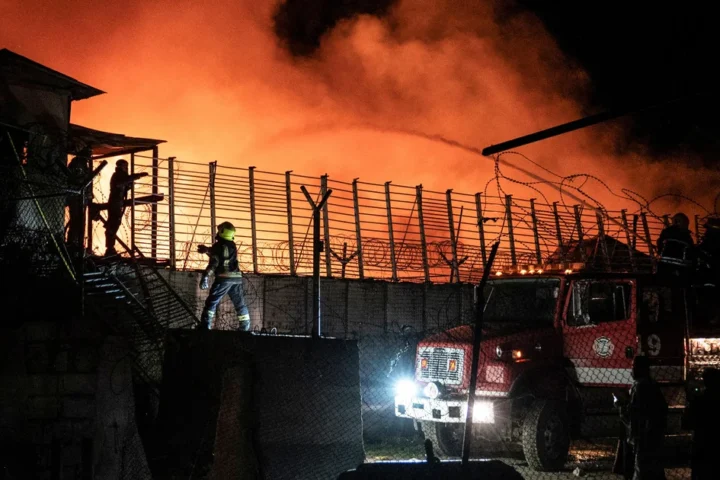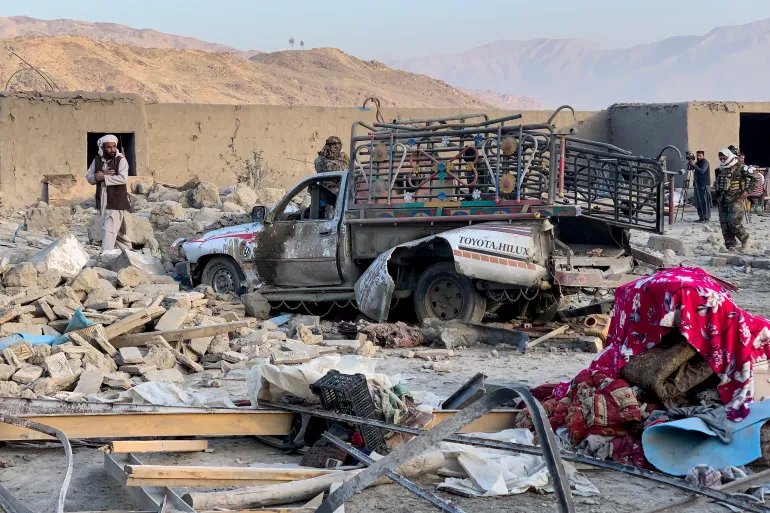
The recent overnight airstrikes by Pakistan on Afghan territory, which the Taliban government reports killed and wounded dozens of civilians, including women and children, represent a grave violation of international norms and sovereignty. These strikes, conducted in the early hours of targeted areas in Nangarhar and Paktika provinces, hit residential homes and a religious school (madrasa) during the holy month of Ramadan. Afghan officials, including Taliban spokesperson Zabihullah Mujahid and the Ministry of Defence, condemned the attacks as deliberate assaults on innocents, with reports confirming at least 17 deaths in Nangarhar’s Behsud district alone, many of them children, and others missing under rubble. Pakistan’s military claimed the operations were “intelligence-based” and “selective,” targeting seven hideouts of the Tehrik-e-Taliban Pakistan (TTP) and affiliates, asserting they eliminated up to 70 militants in response to recent suicide bombings in Pakistan, such as the February 6 attack on a Shia mosque in Islamabad that killed over 30 people.
Pakistan has carried out multiple overnight air strikes on Afghanistan, which the Taliban has said killed and wounded dozens of people, including women and children https://t.co/gGK3n3VSR0
— Yalda Hakim (@SkyYaldaHakim) February 22, 2026
This cannot be excused. Bombing civilian areas, especially during Ramadan and in a manner that foreseeably harms non-combatants, is unacceptable under any pretext. International humanitarian law prohibits indiscriminate attacks and requires distinguishing between military targets and civilians. Even if Pakistan’s grievances against TTP sanctuaries in Afghanistan hold merit, and evidence suggests the TTP has used Afghan soil for operations, the response cannot involve disproportionate force that kills women, children, and ordinary villagers. The Taliban’s vow of an “appropriate and calculated response” underscores how such actions escalate rather than resolve tensions. True counterterrorism demands precision, accountability, and diplomacy, not airstrikes that fuel cycles of retaliation and radicalization.
Pakistan’s justification rings hollow when viewed against its long history of entanglement in violence with neighbors. Since partition in 1947, Pakistan has repeatedly pursued policies of interference, proxy support, and military action that have destabilized the region, often prioritizing perceived strategic depth against India over peaceful coexistence.
With Afghanistan, the pattern is stark. Pakistan’s Inter-Services Intelligence (ISI) played a pivotal role in supporting mujahideen fighters during the Soviet occupation (1979-1989), channeling U.S. and Saudi aid while fostering Islamist networks that later birthed the Taliban. After the Taliban’s 1996 takeover, Pakistan was one of only three nations (alongside Saudi Arabia and the UAE) to recognize their regime. Post-2001, following the U.S.-led invasion that ousted the Taliban, Pakistan provided sanctuary to their leadership, allowing the group’s reconstitution from Pakistani soil, a fact long acknowledged in U.S. reports and contributing to prolonged insurgency in Afghanistan. The Durand Line border dispute has fueled mutual accusations: Afghanistan historically backed Pashtun separatists in Pakistan, while Pakistan supported militants to counter perceived threats and maintain influence in Kabul.
The rise of the TTP itself traces back to this dynamic. Formed in 2007 as an umbrella for anti-Pakistan militants, the TTP benefited from porous borders and, after the 2021 Taliban takeover, found renewed sanctuary in Afghanistanm ironically, under a government Pakistan helped install. Yet Pakistan’s response has often mirrored the very tactics it condemns: cross-border strikes, as seen in multiple instances from 2022 onward, including operations in 2025 that displaced thousands and caused civilian casualties. UN reports have documented Pakistani military actions killing Afghan civilians, perpetuating a vicious cycle where both sides harbor militants against the other.
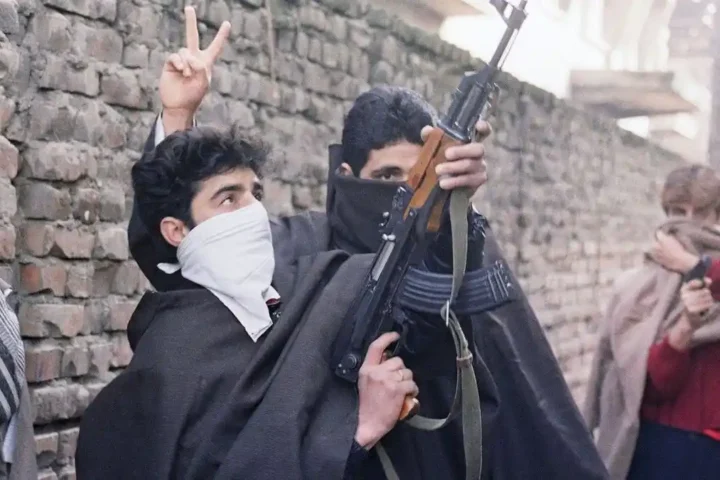
This pattern extends to India, where Pakistan’s support for militant groups has fueled decades of violence. Since the 1989 Kashmir insurgency, Pakistan has been accused of arming, training, and funding groups like Lashkar-e-Taiba and Jaish-e-Mohammed, responsible for attacks such as the 2001 Indian Parliament assault, the 2008 Mumbai attacks (killing 166), and the 2019 Pulwama bombing. These actions have led to wars (1947-48, 1965, 1971) and near-wars (1999 Kargil, 2019 Balakot airstrikes), while proxy support has militarized Pakistani society and diverted resources from development. Even in Balochistan, Pakistan has alleged Indian interference via separatists, though this often serves to justify internal crackdowns amid legitimate grievances over resource exploitation.
For what, indeed? Strategic depth against India has long justified Pakistan’s Afghan meddling, ensuring a friendly regime in Kabul to avoid encirclement. Yet this has backfired spectacularly: empowering extremists who now threaten Pakistan itself, as TTP attacks surge. The human cost is immense, thousands dead on all sides, economies crippled, and trust eroded.
Pakistan must break this cycle. Genuine security comes not from airstrikes or proxies but from diplomacy, border management, and addressing root causes like economic disparity and extremism within its borders. The international community, including the UN and regional powers, should press for de-escalation, independent investigations into civilian casualties, and renewed talks, perhaps mediated by Qatar or Turkey, as in past ceasefires. Afghanistan’s Taliban must also act against TTP threats to deny Pakistan pretexts.
Unchecked, these strikes risk broader conflict in an already fragile region. The deaths of innocents in Nangarhar and Paktika demand accountability, not more bombs. Pakistan’s history of interference has sown violence for too long; it is time to choose peace over perpetual proxy wars.