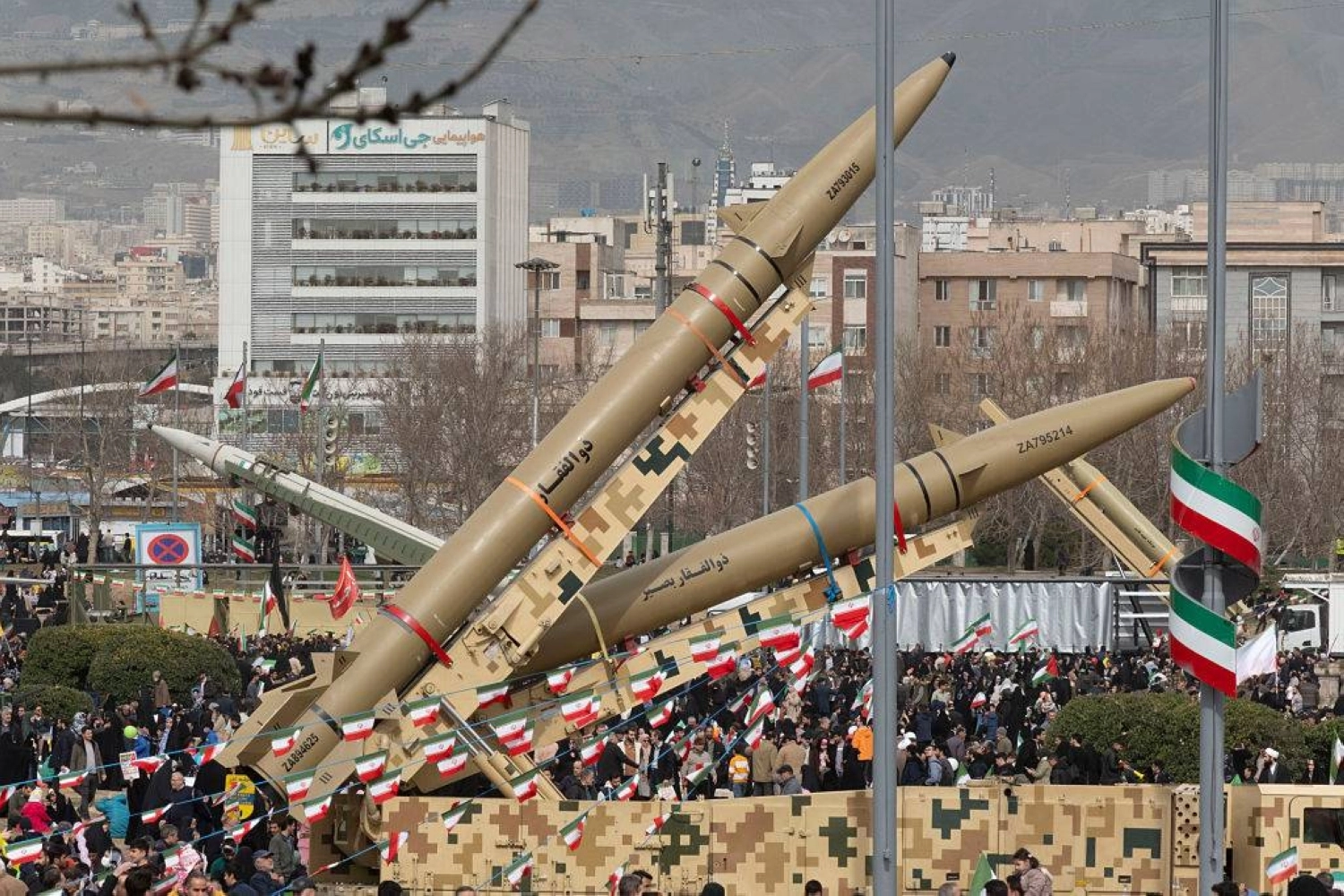
China is no longer merely a distant benefactor of Iran. If U.S. intelligence reports are correct, Beijing is edging into something much more dangerous: active enabling of Iran’s wartime rebuild. According to The New York Times, China may have shipped missiles to Iran and is allowing some companies to sell Tehran supplies that can be used in military production. CNN reported that U.S. intelligence believes China is preparing to deliver air-defense systems to Iran within weeks, possibly through third countries to disguise the origin. Reuters, months earlier, reported that Iran was close to a deal to buy Chinese anti-ship missiles. Taken together, the pattern is hard to dismiss.
This is not a story about symbolism. It is about capability. Air-defense systems, anti-ship missiles, and dual-use industrial inputs can change the way a war is fought. They can make it harder for the United States and its allies to operate in the region, complicate surveillance and strike options, and help Iran replenish losses inflicted by weeks of conflict. In war, logistics and replacement pipelines can matter as much as battlefield bravado. A state that helps restore those pipelines is not standing on the sidelines; it is shaping outcomes.
That is why these reports should alarm policymakers in Washington, Jerusalem, and across the Gulf. China has long presented itself as a pragmatic power, one that prefers commerce, diplomacy, and stability to ideological confrontation. Yet the reported behavior suggests a more cynical approach: Beijing appears willing to profit from Iran’s isolation while quietly strengthening Tehran’s military hand. The Atlantic Council has documented Chinese supplies of drones, missiles, and related components to Iran, reinforcing the idea that this is a sustained channel, not a sudden rupture. The BBC has similarly reported U.S. intelligence claims that China has supported Iran’s ballistic missile efforts through training and components.
If true, this would mark a dangerous escalation in China’s role. Beijing may argue that air-defense systems are defensive, not offensive. That argument is technically neat and strategically misleading. A missile system labeled “defensive” can still threaten aircraft, drones, and naval platforms. In a conflict zone, the defensive-offensive distinction often collapses under the realities of use. China understands that. It also understands deniability, which is why reports say shipments may be routed through intermediary states to obscure their origin. That is not how a responsible power behaves when it wants peace.
The timing is especially revealing. According to CNN, China’s alleged support comes as Beijing says it helped facilitate a ceasefire, and as President Donald Trump prepares for talks with Chinese President Xi Jinping. If the reports are accurate, China would be playing both sides: public mediator by day, covert supplier by night. That dual role may serve Beijing’s short-term interests, but it corrodes trust in every diplomatic initiative it touches. A mediator that secretly re-arms one party to a conflict is not mediating. It is hedging.
There is also a broader geostrategic logic at work. A stronger Iran can tie down U.S. attention, raise the cost of American regional commitments, and inject volatility into global energy markets. Beijing does not need Iran to win outright to benefit. It only needs Iran to remain capable enough to distract, complicate, and punish U.S. power projection. That makes the relationship more dangerous than simple arms sales. It is strategic burden-sharing against the United States, accomplished through proxies, sanctions evasion, and plausible deniability.
Washington should respond accordingly. First, it should tighten enforcement against Chinese entities involved in supplying Iran with sanctioned goods, including shell companies, transshipment hubs, and dual-use industrial suppliers. Second, it should make the public case relentlessly, because sunlight is the best antidote to covert proliferation. Third, it should work with allies to track maritime shipments, financial channels, and procurement networks that keep Iran’s war machine running. The goal is not theatrical outrage. It is reducing Iran’s ability to rebuild faster than it can be degraded.
There is a temptation in Washington to treat every China-Iran development as either apocalyptic or trivial. Both instincts are wrong. The more serious conclusion is also the more difficult one: China is testing how far it can go in helping a sanctioned adversary without paying a decisive price. If the answer is “farther than expected,” then the United States will face not just a revived Iranian arsenal, but a precedent for Chinese opportunism in future conflicts. That would be a far larger strategic loss than any one missile shipment.