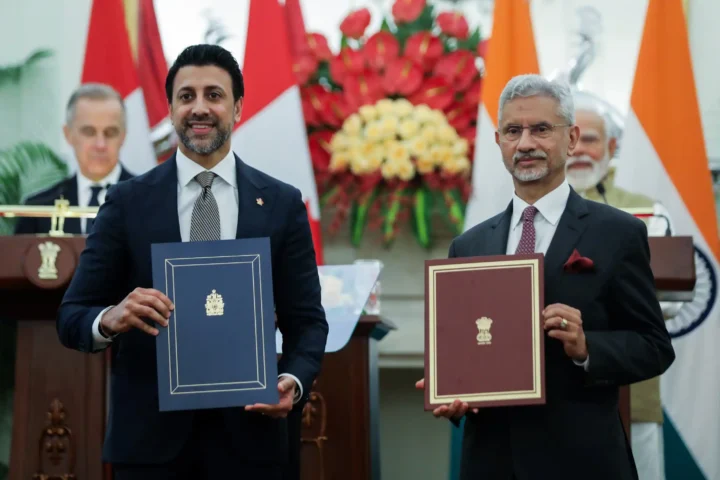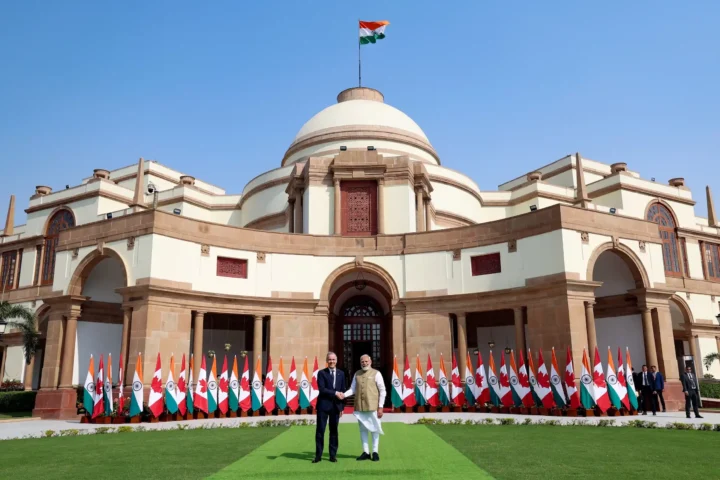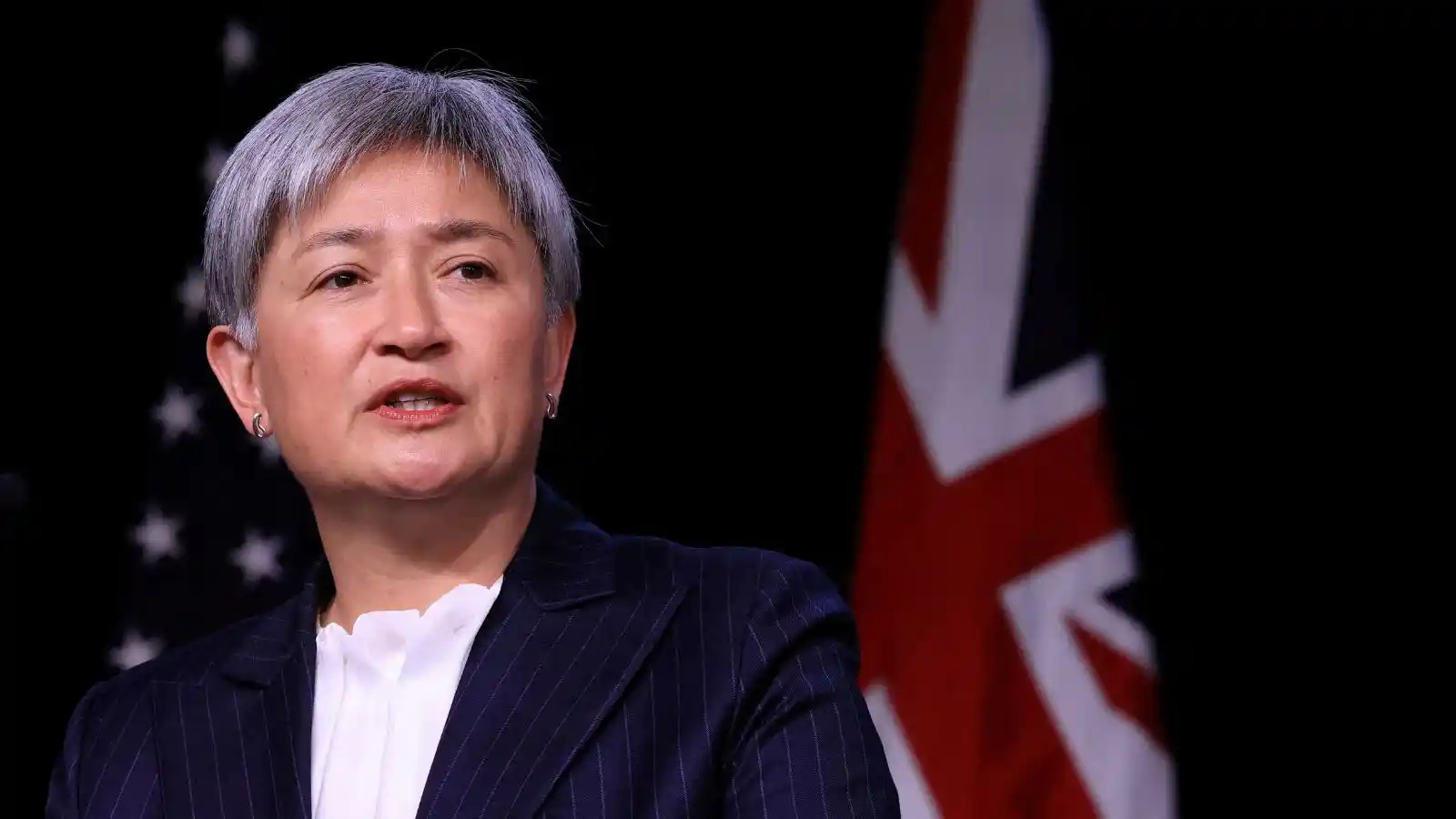
Australian Foreign Minister Penny Wong’s ongoing visit to India is more than a diplomatic routine; it’s a strategic moment that underscores a rapid expansion in Australia-India ties, signaling a geopolitical shift in the Indo-Pacific landscape. The deepening partnership between these democracies—a blend of economic ambition, defense collaboration, and shared geopolitical interests—reflects an evolving world order in which like-minded countries are stepping up to safeguard regional stability and economic growth.
At its core, this visit crystallizes a transition from cautious cooperation to confident strategic alignment. Australia and India, geographically separated by vast seas, are now linked not just by trade corridors but also by shared concerns over regional security challenges—chief among them, countering China. Wong’s talks with Indian External Affairs Minister S. Jaishankar will reaffirm a shared resolve to deepen ties through platforms like the Quad, while also pushing forward a bilateral agenda that combines defense cooperation with robust economic engagement.
The defense relationship is where the transformation is most visible. This year’s agreements, including the mutual submarine rescue pact and air-to-air refueling operationalization, demonstrate an escalating operational sophistication. These accords are not just symbolic; they elevate the partnership into something tangible, with real-world military interoperability and joint exercises such as Talisman Sabre setting a new benchmark. This militarization of the bilateral relationship sends an unmistakable signal: both countries are preparing for a longer-term strategic contest in the Indo-Pacific.
Critically, defense industrial collaboration is gaining momentum. From India’s shipyards now providing maintenance and overhaul services for Australian naval vessels, to joint research groups focusing on cutting-edge technology, the relationship has matured far beyond mere strategic dialogue into a functional partnership that strengthens each nation’s defense capabilities.
On the economic front, the partnership remains vibrant and forward-looking. The Australia-India Economic Cooperation and Trade Agreement (ECTA) continues to unlock substantial tariff savings and market access benefits, catalyzing a surge in bilateral trade and investment. More importantly, the comprehensive 2025 roadmap between the two countries charts a course for collaboration in clean energy, digital technology, agribusiness, and education. This reflects both nations’ understanding that economic resilience is inseparable from strategic autonomy.
This economic and defense fusion mirrors their joint vision for a free, open, and inclusive Indo-Pacific. Both Canberra and New Delhi view their partnership as central to maintaining the region’s balance of power, especially as China’s geopolitical ambitions increasingly disrupt norms. The Australia-India axis, in tandem with other Quad members, aims to uphold a rules-based order that secures sea lanes, counters coercion, and promotes democratic values.
Wong’s visit, therefore, is a concentrated expression of this dual-track strategy — leveraging economic tools and defense capability in harmony. It also illustrates how Australia, traditionally seen as a Pacific nation, is now investing politically and militarily in the Indian Ocean region, solidifying its role as a critical Indo-Pacific player. For India, the partnership with Australia is instrumental in its Act East policy, providing both strategic heft and commercial opportunities.
Wong’s India visit sends a clear message to global and regional stakeholders: Australia and India are intensifying a partnership that blends pragmatism with principle. It’s a relationship that extends well beyond diplomatic niceties into actionable commitments with the potential to recalibrate power balances in the Indo-Pacific. Observers should watch closely, for this expanding alliance will not only shape bilateral futures but also the broader dynamics of one of today’s most consequential regions.