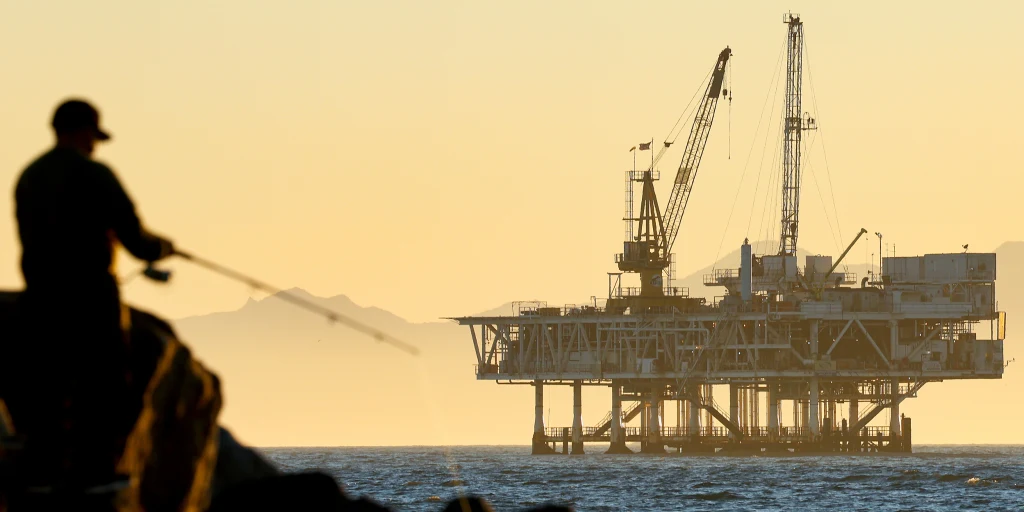
The Trump administration’s decision to invoke emergency powers under the Defense Production Act to restart oil operations off California’s coast represents a bold—but deeply flawed—attempt to address energy security amid the ongoing conflict with Iran. By directing Sable Offshore Corp. to resume activities in the Santa Ynez Unit, including offshore platforms and the long-dormant pipeline system near Santa Barbara, the administration is overriding state-level objections and environmental safeguards that have held since the devastating 2015 Refugio oil spill. This move, while framed as a national security imperative, prioritizes short-term fossil fuel gains over long-term economic, ecological, and geopolitical realities.
The context is undeniable: global oil supplies have been strained by disruptions in the Strait of Hormuz, a critical chokepoint for tanker traffic. With U.S. military operations intensifying in the region, dependence on imported crude has become a vulnerability. Energy Secretary Chris Wright’s order explicitly cites this, arguing that California policies have left domestic resources untapped, forcing reliance on foreign oil vulnerable to blockade or attack. Restarting the Santa Ynez pipeline and platforms—shut down after a rupture released thousands of barrels into the Pacific, coating beaches and killing marine life—could theoretically add modest domestic production, helping stabilize prices and bolster supply chains for defense needs.
Yet this justification stretches the Defense Production Act far beyond its intended purpose. Enacted during the Korean War to ensure industrial capacity for national defense, the law has historically compelled production of critical materials like steel or semiconductors—not overridden state environmental regulations for routine oil extraction. Here, the administration uses it to preempt California’s rigorous safety standards, enacted post-2015 under laws like SB 237, and to sidestep ongoing state court injunctions and criminal charges against Sable for alleged water law violations. Governor Gavin Newsom has rightly condemned the action as “illegal” and vowed legal challenges, pointing to federal overreach in a state that has long opposed new offshore drilling.
The environmental risks are profound and well-documented. The Santa Barbara coast remains scarred from the 2015 spill, one of California’s worst. Offshore platforms in federal waters but connected by onshore pipelines pose threats of blowouts, leaks, or seismic events in an earthquake-prone region. California’s economy—driven by tourism, fisheries, and coastal real estate—depends on clean beaches and healthy marine ecosystems. A renewed spill could devastate livelihoods far beyond the immediate area, with cleanup costs and lost revenue potentially dwarfing any short-term energy benefits.
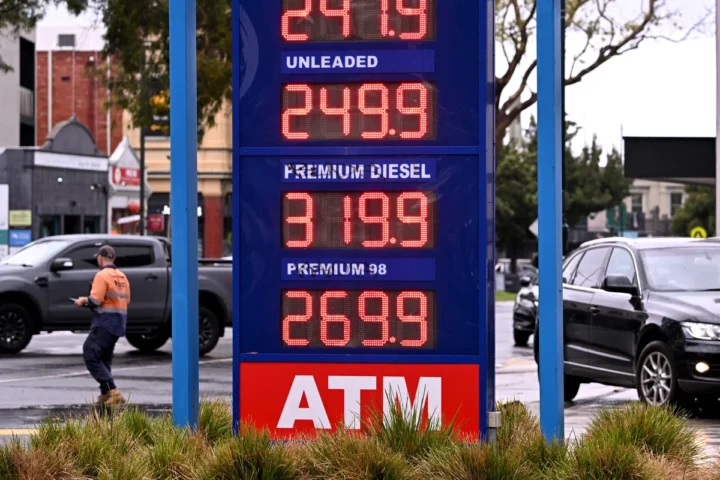
Economically, the calculus is questionable. The Santa Ynez Unit’s potential output is limited compared to major U.S. basins like the Permian or Gulf of Mexico. Even if fully restored, it would add only a fraction to national supply—hardly a game-changer in a global market influenced by OPEC decisions, geopolitical tensions, and the accelerating shift to renewables. Gas prices have spiked due to the Iran conflict, but solutions lie in diversified energy sources, strategic reserves, and diplomacy—not forcing outdated infrastructure back online. California’s own oil production remains robust onshore, and federal leasing in the Pacific Outer Continental Shelf is already advancing under the 11th National OCS Program, with programmatic environmental reviews underway for potential sales starting in 2027. This targeted emergency action bypasses those processes, undermining public input and scientific assessment.
Broader implications extend to federalism and energy policy. By weaponizing emergency powers against a state with stringent climate goals, the administration escalates tensions in an already polarized landscape. California has led on emissions reductions, electric vehicle adoption, and renewable integration—efforts that reduce long-term oil dependence more effectively than reactivating aging rigs. Invoking national security to prop up fossil fuels risks setting a precedent: future presidents could similarly override state laws on renewables, mining, or other industries under the guise of crisis.
Critics will argue this is political theater—Trump rewarding oil allies while punishing blue states. Supporters see it as decisive leadership in wartime. But true energy security demands resilience, not desperation. It requires investing in domestic renewables, nuclear, grid modernization, and alliances that secure supply chains without environmental sacrifice.
The administration’s move may yield temporary barrels, but at what cost? Legal battles will likely delay implementation, while public backlash grows among coastal communities and environmental advocates. In pursuing this path, the Trump team overlooks a fundamental truth: America’s strength lies not in clinging to the past, but in building a cleaner, more secure energy future. Forcing California to bear the risks of yesterday’s energy model solves today’s headline crisis while creating tomorrow’s disasters.