Four and a half thousand miles away in Nepal, Gen Z protestors recently toppled their government in just 48 hours. Their anger at corruption and nepotism, channeled by TikTok influencers and amplified by AI, was enough to sweep aside a political establishment that had grown deaf to its youngest citizens. The reverberations of that revolt are now being felt far beyond Kathmandu — and Westminster would be unwise to ignore them.
In the U.K., the generation born between 1997 and 2012 has come of age in chaos. They grew up amid the 2008 financial crash, witnessed years of Brexit paralysis, and entered adulthood under the shadow of a pandemic. For them, instability isn’t a moment — it’s the backdrop of their lives. And with every fresh scandal, delay, or broken promise, their faith in mainstream politics shrinks further.
Polling expert Luke Tryl describes a generation defined not by apathy, but by disillusionment. They care deeply about climate change, affordable housing, fairness in the workplace — but they are increasingly skeptical that the traditional parties can deliver. In focus groups, Gen Z voters articulate not indifference, but urgency: they want their voices heard, and they want results.
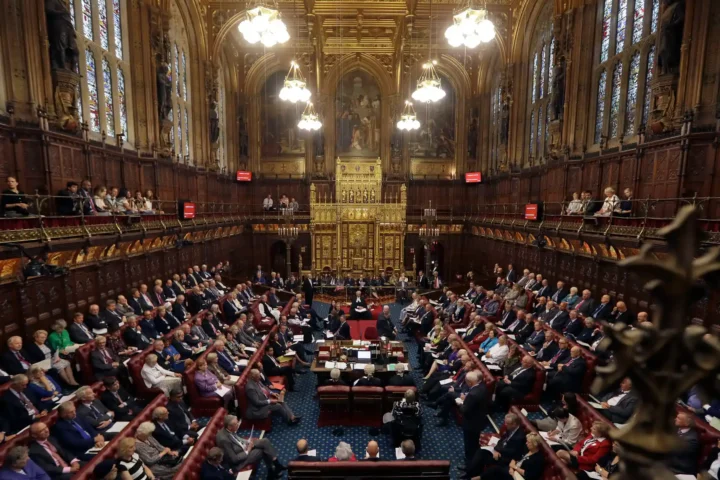
Some young MPs are trying to bridge that gap. Labour’s Sam Carling, Lib Dem Joshua Reynolds, and Keir Mather — the youngest government minister in two centuries — talk passionately about reconnecting politics with a generation that doesn’t see itself represented in dusty Westminster rituals. But while earnestness counts, their task is uphill: one survey after another shows young people flocking to alternatives, whether that’s Zarah Sultana’s “Your Party” on the grassroots left, or Nigel Farage’s Reform UK, which has found surprising traction among young men.
The ideological spread here is striking. At one end, Gen Z remains the strongest pillar of support for Jeremy Corbyn. At the other, right-wing populists like Reform and even imported American conservatism — turbocharged by the tragic martyrdom of figures like Charlie Kirk — are drawing in disenchanted young men. Westminster’s familiar left–right binaries feel suddenly outdated when the same cohort can back climate strikes and Farage rallies with equal intensity.
What links these disparate movements is not policy detail but mood: impatience, distrust, and a conviction that the system is rigged against them. The Nepalese uprising was a warning shot — a reminder that young people, equipped with digital tools and unburdened by loyalty to old parties, can mobilize faster than institutions can react. Britain is not on the brink of such upheaval, but it would be complacent to assume Westminster is immune.
If Gen Z is to believe in parliamentary democracy, politicians will need to do more than sprinkle TikTok videos into their campaigns. They’ll need to deliver on housing, on wages, on climate — and to prove that politics is still capable of solving problems rather than endlessly rehearsing them. Otherwise, Westminster may soon learn the hard way that this generation, too, has its limits.