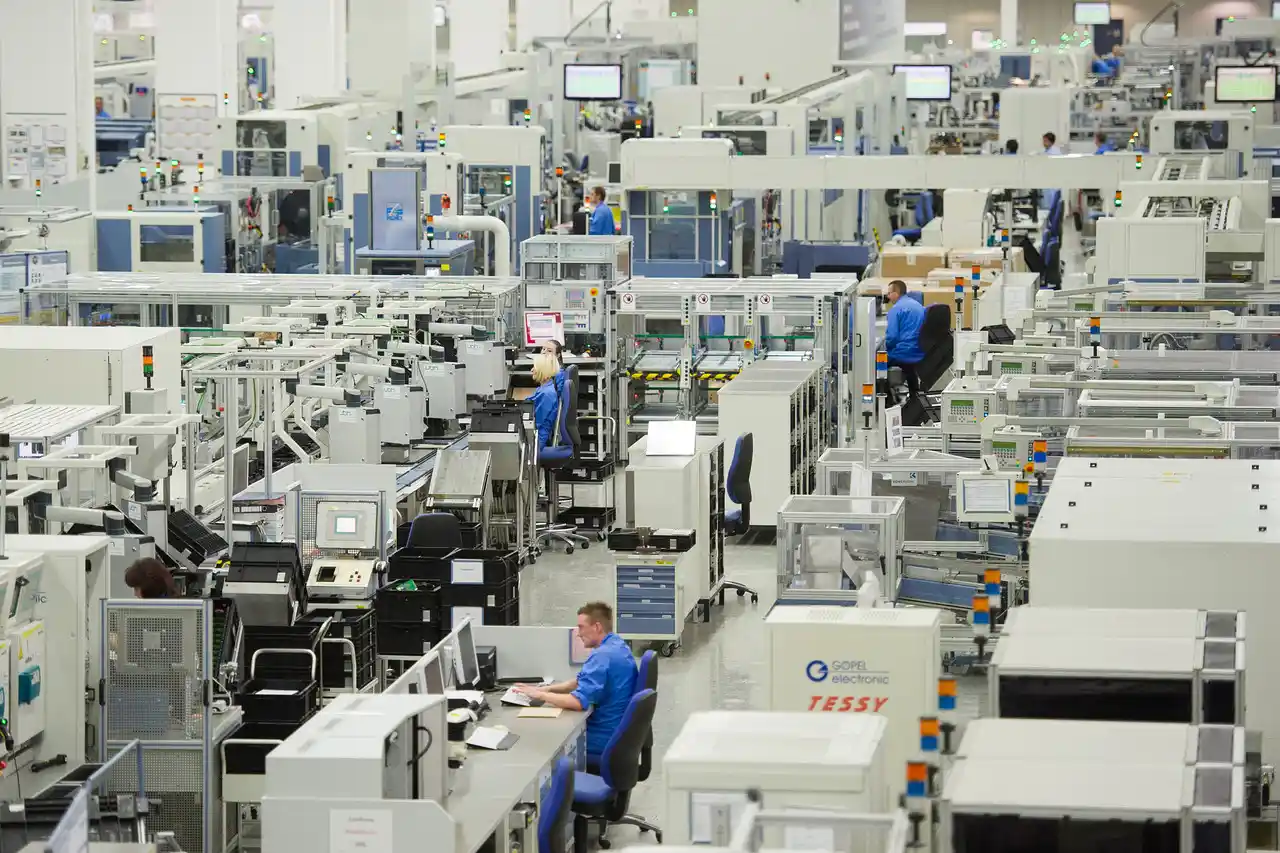
There is a certain modesty that defines Germany’s small and medium-sized enterprises — the Mittelstand. These companies rarely make headlines, but they make the country run. They are the quiet achievers of the global economy: exporting world-class machinery, precision tools, and specialized technologies. They don’t seek the spotlight; they seek solutions. They don’t complain; they adapt.
For decades, this pragmatic resilience has been the secret of their success. But even the most reliable engine begins to sputter when conditions deteriorate — and that is what our latest data from the DATEV SME Index reveal. Behind the calm exterior of Germany’s SMEs, warning lights are flashing red.
When we launched the DATEV SME Index a year ago, our aim was to make visible what had previously been hidden behind general statistics. The index draws from advance VAT returns of more than one million SMEs and payroll data for over eight million employees. As Germany’s leading IT service provider for the tax consulting profession, we can see directly into the “engine room” of the economy.
And what we see is worrying. Since September 2024, SME sales have been declining — steadily, broadly, and across every federal state and sector. Meanwhile, wages continue to rise. Our most recent analysis shows no sign of this trend reversing.
This isn’t just a temporary dip. It is a structural imbalance between falling revenues and rising costs. And the situation is set to worsen with the forthcoming increase in the minimum wage, which will particularly burden small and micro-enterprises. For many of these firms, the math no longer adds up.
The Bureaucratic Stranglehold
In good times, German entrepreneurs are willing to endure a lot of paperwork. But in today’s economic climate, bureaucracy has become more than a nuisance — it’s an existential threat. Regulation, documentation requirements, and complex retention rules devour time and resources that could otherwise fuel innovation or productivity.
We need a bureaucracy moratorium — a genuine one, not another political slogan. It must mean a measurable reduction and standardization of documentation duties and reporting obligations. In other words, stop adding new burdens until the existing ones have been cleaned up.
SMEs don’t want subsidies; they want the freedom to operate efficiently. They want to spend their limited hours serving customers, not completing compliance checklists. For a nation that prides itself on engineering precision, it’s ironic how inefficient our administrative machinery has become.
To its credit, the federal government has begun to recognize the problem. The creation of a Ministry for Digital Transformation and State Modernization is a promising step. It signals political awareness that a 21st-century economy cannot function with 20th-century bureaucracy.
Likewise, the “investment booster” recently introduced — which allows for declining balance depreciation of up to 30 percent — is a welcome move. It should, in theory, encourage companies to invest sooner by letting them write off higher costs in the early years. Yet the impact will be limited.
Why? Because tax relief is only useful to firms that have enough liquidity left to invest at all. For many SMEs, that liquidity has been eroded by months of weak demand, high energy prices, and relentless inflation. The booster might accelerate investment for some, but it cannot refill an empty tank.
If Berlin truly wants to strengthen the Mittelstand, it must go further. Targeted investments in infrastructure, a streamlined approval process for digital and energy projects, and meaningful incentives for innovation are essential. Without these, even the best tax relief measures are like applying a bandage to a broken bone.
AI: From a Buzzword to Partner
Amid the economic gloom, one development offers genuine hope: artificial intelligence. AI is often discussed in abstract terms, as though it were something that happens only in Silicon Valley. But for Germany’s SMEs — and the tax advisors who support them — AI is rapidly becoming a practical ally.
At DATEV, we see how AI-driven tools can simplify monotonous, repetitive work in tax consulting firms. Functions like automatic appeal generation or intelligent document research allow professionals to focus on what truly adds value: strategic advice and client service. In times of acute labor shortages, this efficiency is invaluable.
AI doesn’t replace people; it empowers them. By taking over routine processes, it allows skilled employees to focus on tasks that require judgment, creativity, and expertise. And the same is true beyond tax consulting. From logistics to manufacturing, AI can help SMEs cut through complexity and redirect their energy toward growth.
The global tech race of the past two decades has taught one powerful lesson: those who master data mastery win markets. The U.S. tech giants didn’t just build software — they built data ecosystems. Germany missed that first wave, partly because of cultural caution, partly because of regulation. But now, with AI, there is a second chance.
By using data intelligently — to anticipate demand, optimize production, and personalize services — German SMEs can reclaim their edge. They already possess the technical expertise and the customer trust; what they need now is digital agility.
Yes, bureaucracy remains a drag. Yes, margins are shrinking. But technology gives the Mittelstand new leverage. Those who learn to harness data will not only survive this turbulent phase but emerge stronger.
Ultimately, what defines the German SME is not its size but its spirit: quiet determination, technical mastery, and a refusal to give up. The DATEV SME Index may show worrying trends, but data are not destiny. They are a wake-up call — for policymakers, for entrepreneurs, and for society at large.
We cannot regulate our way to growth. We must innovate our way forward. That means trusting businesses to act, reducing bureaucratic drag, and embracing the tools that can make work more productive.
Germany’s SMEs have always been the silent powerhouses of our economy. It’s time to let them breathe again — and to give them the digital tools they need to thrive.
Enough whining. Let’s proceed.