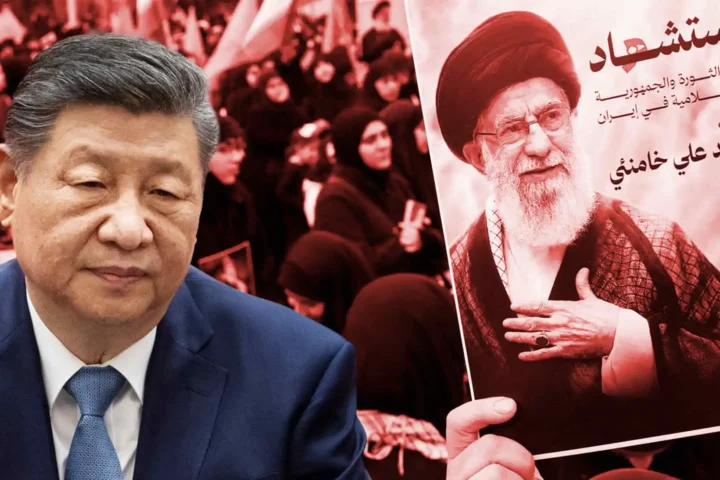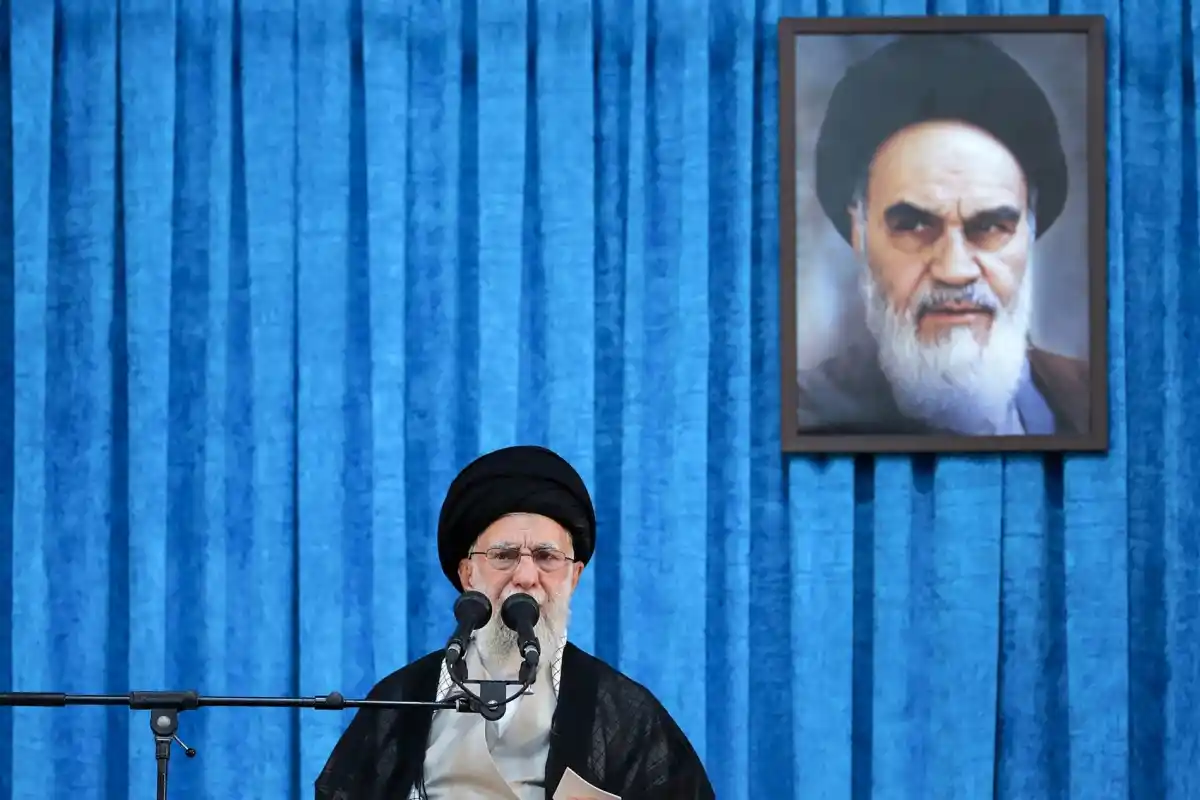
Ayatollah Ali Khamenei’s death in US-Israeli strikes marks a seismic shift for the Middle East, decapitating Iran’s leadership amid escalating conflict. Iranian state media confirmed the 86-year-old supreme leader was killed on February 28, 2026, at his Tehran residence, alongside top IRGC commanders like General Mohammad Pakpour and Ali Shamkhani. This event, following months of protests and proxy wars, has activated Article 111 of Iran’s constitution, forming a three-member interim leadership council to oversee the supreme leader’s duties: President Masoud Pezeshkian, Chief Justice Gholamhossein Mohseni Ejei, and Ayatollah Alireza Arafi as the jurist member appointed by the Expediency Council.
The Assembly of Experts, an 88-member clerical body, must now select Khamenei’s permanent replacement “as soon as possible,” with Foreign Minister Abbas Araghchi suggesting it could happen within days during the 40-day mourning period. Arafi, a 67-year-old senior cleric heading Iran’s seminary system and serving on the Guardian Council and Assembly of Experts, leads interim religious duties amid reports of IRGC influence. Potential permanent candidates still include Khamenei’s son Mojtaba (despite dynastic taboos and unverified YouTube claims of his selection), clerics like Mohammad Mehdi Mirbagheri, and Hassan Khomeini, though no frontrunner has emerged publicly.
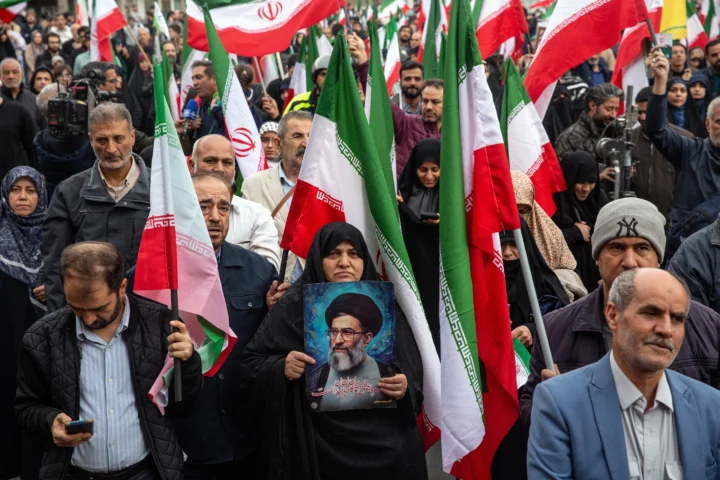
This transitional setup risks paralysis after Khamenei’s 37 years of micromanaging clerics, IRGC, and politicians, exacerbated by US sanctions, President Raisi’s 2024 death, and recent losses. A hardline IRGC-backed figure like Arafi may consolidate control, but ongoing protests, with celebrations reported in Tehran, signal domestic revolt potential amid blackouts and over 200 deaths.
Khamenei’s “axis of resistance”, Hezbollah, Hamas, Houthis, and Iraqi militias, lose their linchpin, battered by Israeli strikes since Nasrallah’s and Sinwar’s 2024 deaths. Hezbollah pledged solidarity but offered no aid with decimated leadership; Houthis threaten shipping but lack coordination after US hits; Iraqi militias face funding cuts. This decapitation ends Iran’s multi-front deterrence, forcing proxies toward local survival.
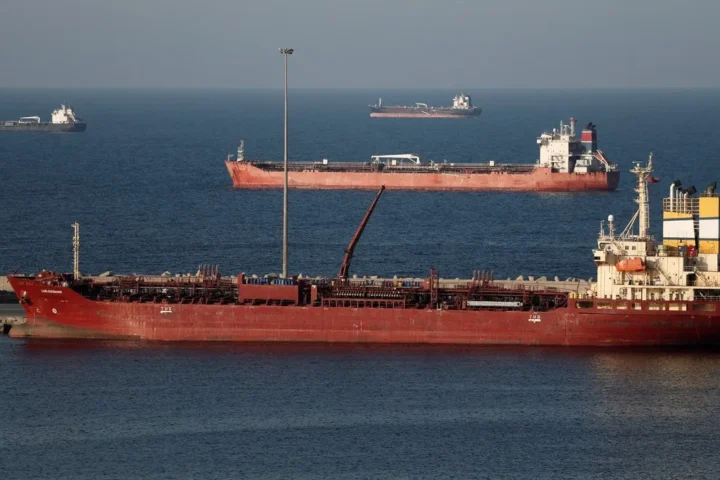
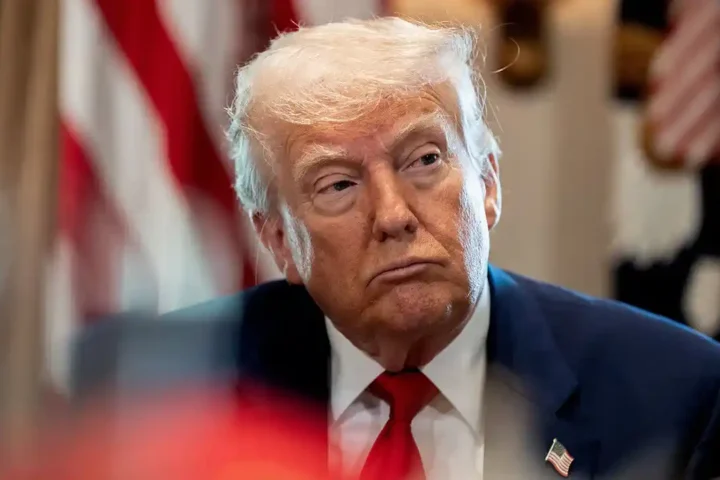
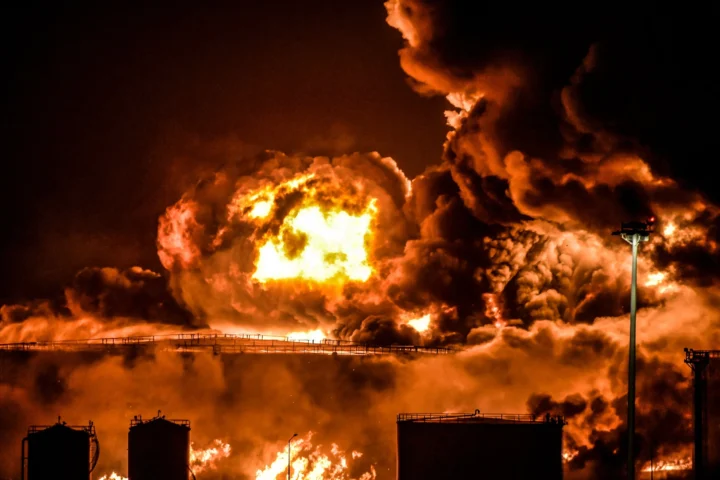
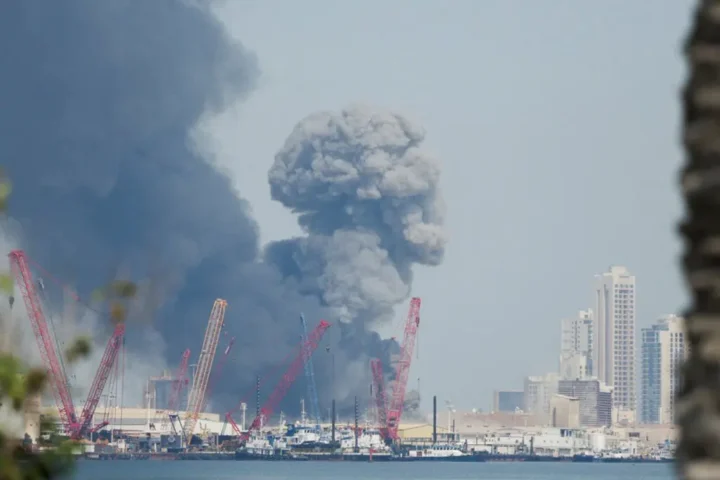
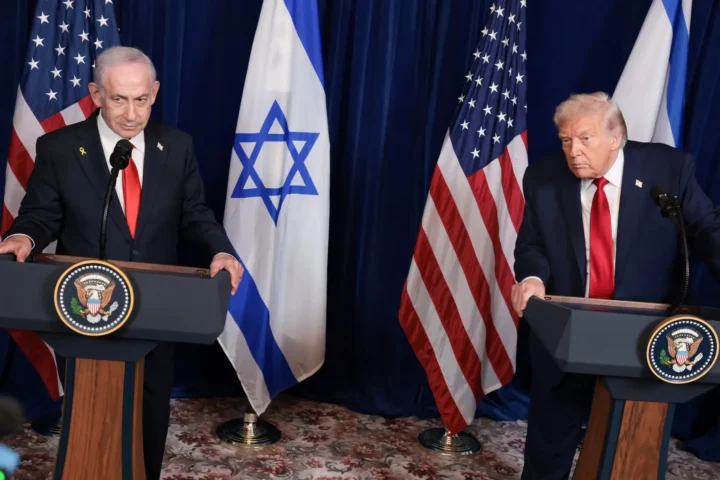
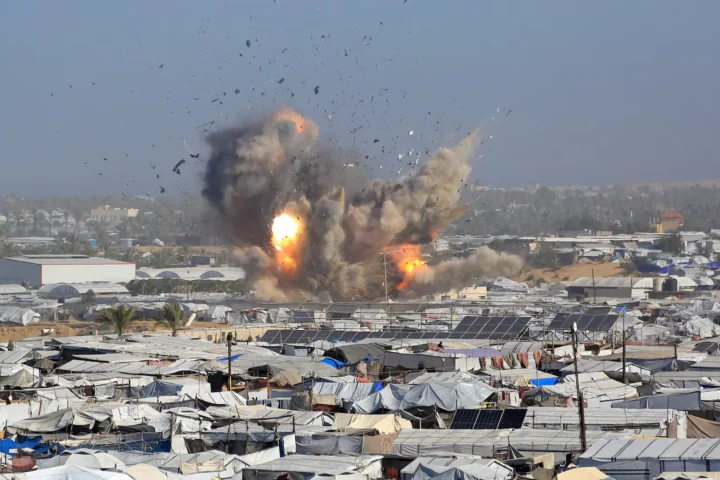
President Trump’s “Operation Iron Resolve” hit nuclear sites, missiles, and leadership; he hailed it as “justice” and urged uprising, with the CIA eyeing IRGC dominance but instability. Israel confirmed Khamenei’s body recovery; Iran retaliated with missiles on US bases in Erbil and the Gulf states. Saudi Arabia pledged coalition support, signaling Sunni alignment; Strait of Hormuz threats spiked oil prices, damaging UAE sites like Dubai airport.
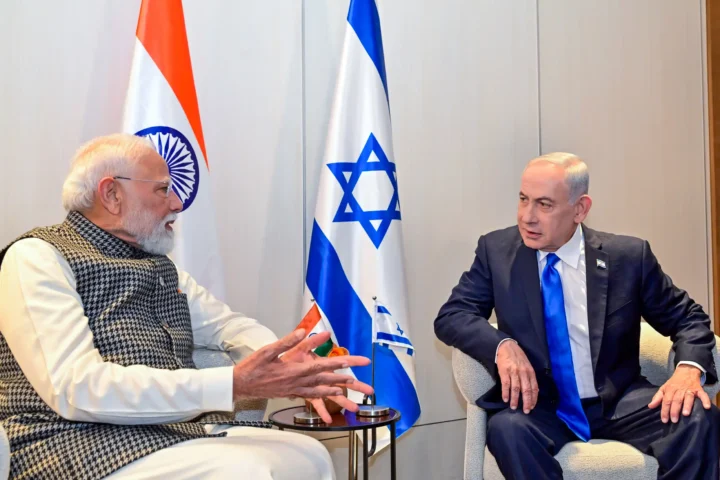
Khamenei’s fall accelerates axis collapse post-Assad ouster and proxy losses; Sunni powers like Saudi Arabia gain leverage for anti-Iran pacts. Gulf states back US actions, eyeing Israel ties; Turkey/Egypt may fill Syrian voids; Russia/China offer rhetoric only. Economic fallout fuels anti-Iran sentiment but risks refugees and militia spillover in Iraq/Lebanon.
Possible Scenarios
Khamenei’s death ends an era of defiance, but the interim council’s stability under Arafi offers a narrow path to managed transition amid infighting and external pressures, though US President Trump and Netanyahu’s gamble risks broader chaos.