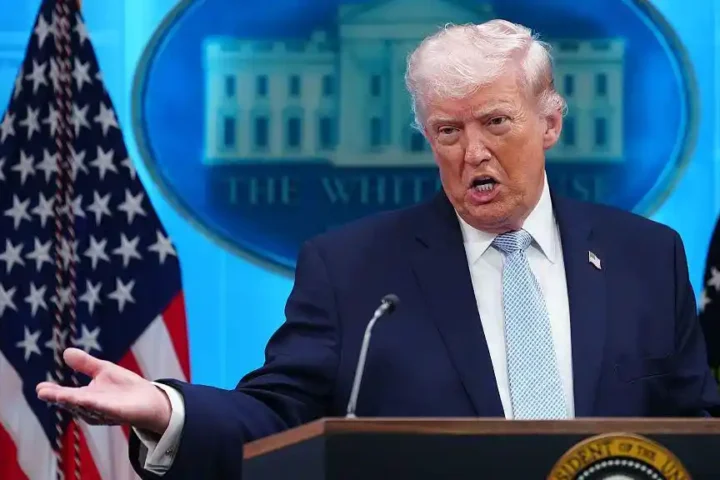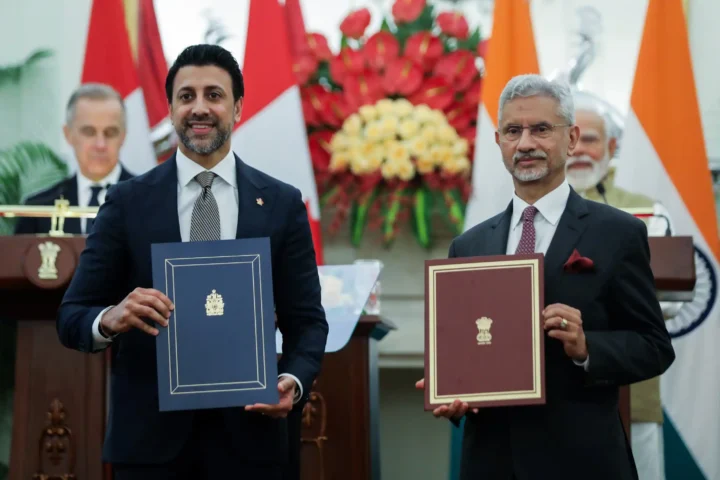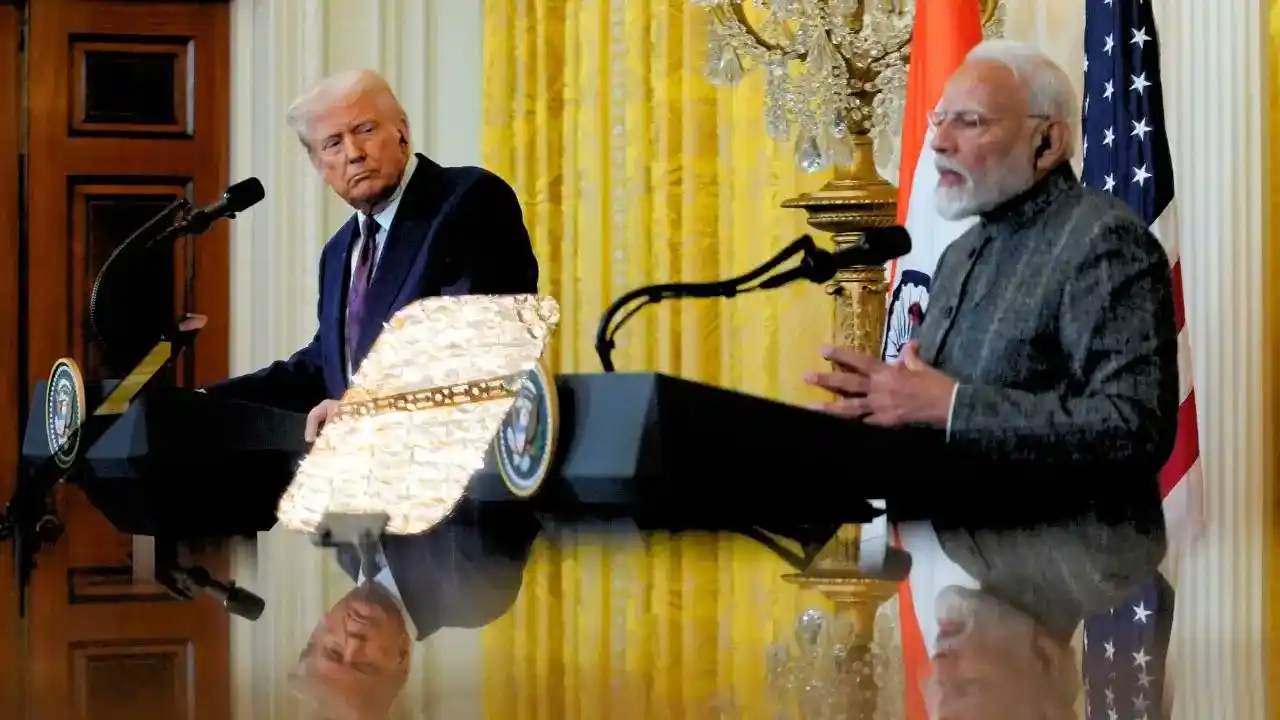
The recent U.S.-India trade agreement, announced February 2, 2026, by President Donald Trump following a phone call with Prime Minister Narendra Modi, represents a significant de-escalation in bilateral trade tensions that had escalated through much of 2025. The deal lowers effective U.S. tariffs on Indian goods to 18%, down from a combined rate that had reached as high as 50%, comprising a 25% reciprocal tariff and an additional 25% punitive duty linked to India’s purchases of Russian crude oil.
Trump described the pact on Truth Social as effective immediately, reducing the reciprocal tariff from 25% to 18% “out of friendship and respect” for Modi. A White House official confirmed the removal of the punitive 25% levy. In exchange, India has agreed to reduce its own tariffs and non-tariff barriers on U.S. exports toward zero in certain areas, while increasing purchases of American energy, agricultural products, technology, coal, and other goods. Trump claimed commitments could exceed $500 billion over time, though Indian officials have emphasized sectors such as petroleum, defense, electronics, pharmaceuticals, telecommunications, and aircraft.
Today marks a great day in the US-India partnership! President Trump’s announcement of a new trade agreement between our two nations builds on efforts to modernize our critical partnership with India while
— Rep. Bill Huizenga (@RepHuizenga) February 3, 2026
countering both China and Russia.
A commitment from India to purchase…
The agreement resolves months of friction stemming from Trump’s “reciprocal” tariff policy, which sought to mirror or penalize perceived imbalances. Tariffs on India rose stepwise in 2025, with the punitive element explicitly tied to New Delhi’s continued reliance on discounted Russian crude, imports that had constituted over a third of India’s total despite Western sanctions on Moscow related to the Ukraine conflict. Analysts note that while India is unlikely to abruptly end all Russian purchases due to economic and diplomatic considerations, the deal aligns with U.S. efforts to pressure suppliers of Russian energy and redirect flows toward American or allied sources, including potentially Venezuelan oil.
What sets this deal apart is India’s resulting competitive positioning in the U.S. market relative to key Asian rivals. The 18% effective tariff places India ahead of several direct competitors in labor-intensive and price-sensitive sectors:
- China continues to face elevated duties, with effective rates often in the 30-37% range (and higher in specific categories under longstanding Section 301 measures and broader decoupling policies).
- Pakistan faces approximately 19%.
- Bangladesh is subject to around 20%.
- Other Southeast Asian nations, including Indonesia (19%), Vietnam (20%), Malaysia, Cambodia, and Thailand (around 19-20%), cluster nearby but generally higher or comparable.
This differential, while modest in absolute terms, carries outsized implications in margin-thin industries where even small cost advantages can shift sourcing decisions. Textiles and apparel offer the clearest example: Bangladesh and Vietnam have built dominant positions in U.S. imports through lower effective duties and established supply chains, often as beneficiaries of “China+1” diversification. The new 18% rate for India narrows or reverses that gap, potentially enabling Indian exporters, major employers in states like Tamil Nadu and Gujarat, to regain share in a market worth tens of billions annually.
Gems and jewelry, another cornerstone of Indian exports, stand to benefit similarly, as do agricultural items like rice, where Indian shippers have cited restored competitiveness against Pakistan and Thailand. Broader manufacturing categories, including electronics, pharmaceuticals, and chemicals, could see enhanced appeal as multinational firms accelerate supply-chain shifts away from China amid its persistently high tariffs.
Geopolitically, the pact reinforces the U.S.-India strategic alignment. By curbing Russian oil reliance, India indirectly supports efforts to economically isolate Moscow, a priority for Washington amid the ongoing Ukraine war. The agreement also advances “Buy American” objectives, opening greater market access for U.S. farm goods, a long-standing demand, and potentially reducing America’s agricultural trade deficit with India.
For competitors, the implications vary. China’s higher barriers reinforce ongoing decoupling, limiting its U.S. footprint and accelerating relocation trends that could favor India. Pakistan and Bangladesh, heavily dependent on U.S. apparel exports, now confront a relative disadvantage in a highly competitive sector; their slightly elevated rates could pressure margins and prompt buyers to pivot toward Indian alternatives.
The deal remains an initial step, with negotiations toward a fuller bilateral trade agreement continuing. Details on implementation timelines, specific product exclusions, and the pace of India’s Russian oil adjustments remain limited, introducing some uncertainty. Industry groups on both sides have welcomed the breakthrough, viewing it as a foundation for sustained growth in bilateral ties that already rank among the world’s most dynamic.
In a period of global trade fragmentation, the U.S.-India accord underscores how targeted concessions can yield strategic and economic dividends. For India, the 18% rate not only relieves prior pressures but positions it as a preferred low-tariff partner among developing Asian exporters, potentially unlocking expanded market access, job creation, and deeper integration into U.S.-led supply chains.