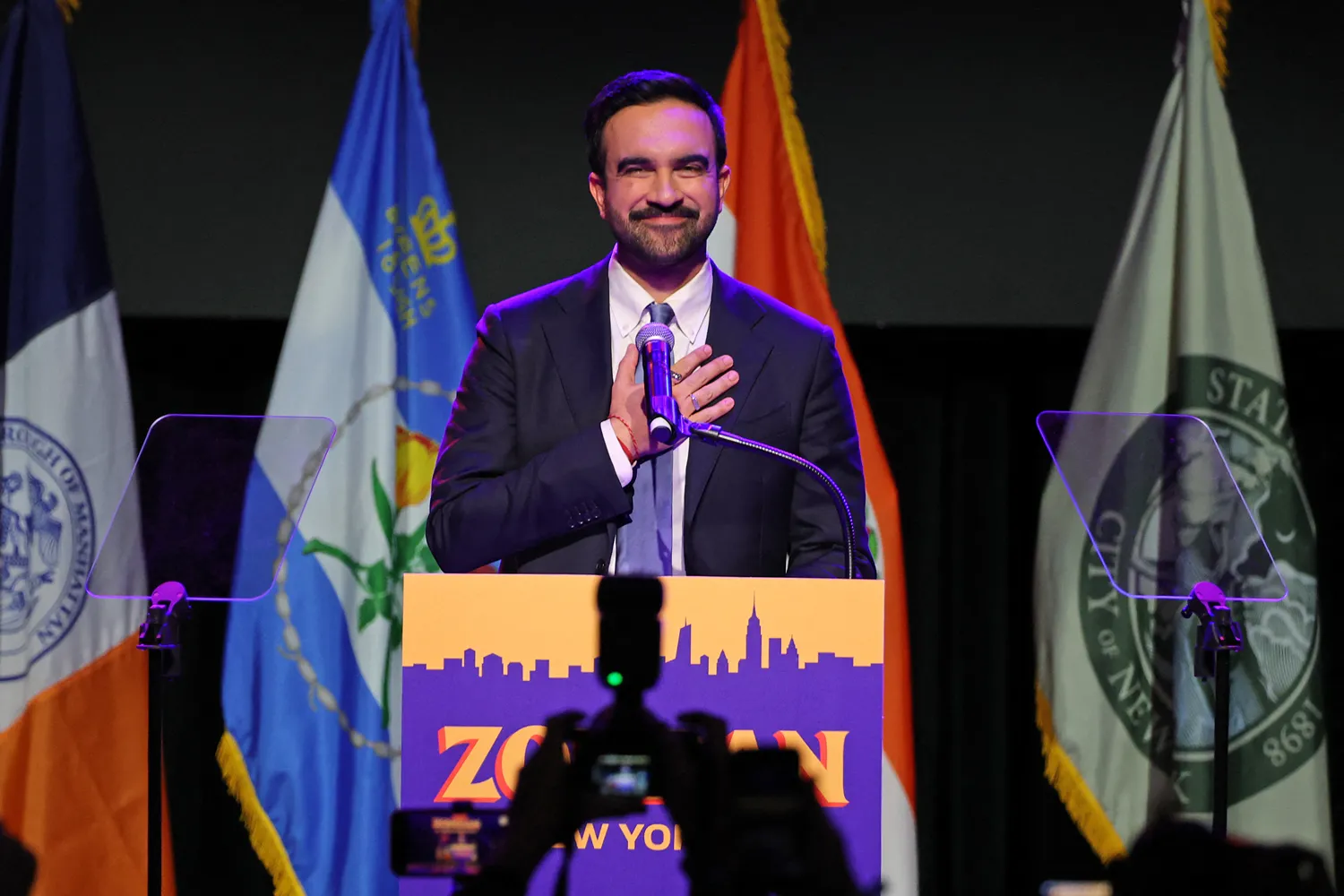
One hundred days into Zohran Mamdani’s mayoralty, New York City has a new mayor who walks the walk—literally. On his 100th day in office, the 34-year-old democratic socialist trekked six miles from City Hall to Gracie Mansion, chatting with New Yorkers along the way, fulfilling a campaign promise to be “outside” and accessible. It was a perfect photo op for a politician who ran on charisma, youth, and the promise of making the world’s most expensive city livable again. But symbolism, however photogenic, cannot paper over the gap between Mamdani’s soaring rhetoric and the gritty realities of governing a metropolis with a multibillion-dollar budget hole.
Mamdani entered office as a historic figure: New York’s first Muslim mayor, first of South Asian descent, and its youngest in over a century. His campaign centered on the affordability crisis—rent freezes for stabilized apartments, free buses, universal childcare, and aggressive tenant protections. Supporters hailed him as a fresh voice against the old guard, toppling establishment figures like Andrew Cuomo in a high-turnout election. Early polls from Marist show a net-positive approval rating, with a plurality of New Yorkers saying the city is headed in the right direction.
In these first 100 days, the mayor has notched some quick wins. He has pushed to improve bus speeds, opened a rest stop for delivery workers, secured incremental funding for preschool expansion, and taken visible action against bad landlords and abusive employers. His administration touts “bold, unapologetic” steps to protect vulnerable communities, emphasizing health, safety, and dignity. The star power is undeniable: Mamdani brings an energy and media savvy that contrasts sharply with his predecessor’s scandals and stumbles. Even critics acknowledge he has hustled to deliver tangible, if modest, accomplishments while learning the bureaucratic ropes.
Yet the honeymoon gloss fades quickly when one examines the retreats. Several signature campaign promises have already been scaled back or abandoned. The ambitious rent freeze for a million apartments faces fiscal pushback. Plans for no-cost universal childcare and free buses are clashing with a stubborn budget deficit. Mamdani once vowed to relinquish mayoral control of the schools; now he supports renewing it. He talked of expanding rental vouchers and reducing class sizes; reality has forced limits and delays. Even the progressive base is noticing the pragmatism creeping in—ceding day-to-day police operations to moderates and surrounding himself with experienced (read: establishment) operatives.
This is not unusual for a new mayor, especially one inheriting a fiscal mess and navigating Albany’s realities. Governing is compromise, and Mamdani is discovering that “working as hard and as fast as New Yorkers” still runs into pension obligations, state aid shortfalls, and the limits of executive power. What is concerning, however, is the persistent emphasis on identity and grievance alongside these pragmatic adjustments. Rhetoric about Islamophobia and systemic barriers often overshadows concrete metrics on crime, homelessness, or economic growth. New Yorkers did not elect a symbol; they elected a manager of a $100+ billion government responsible for safe streets, functioning schools, and a competitive economy.
The deeper issue is ideological. Democratic socialism sounds stirring on the campaign trail, but translating it into sustainable policy requires more than good intentions and viral walks. Free services and freezes risk accelerating the exodus of middle-class families and businesses already strained by high taxes and regulation. The World Cup coming to New York offers an economic opportunity, yet Mamdani’s early focus risks signaling that the city prioritizes redistribution over growth. Early approval numbers may reflect relief after the Adams era more than endorsement of a long-term vision.
Mamdani deserves credit for his energy and willingness to engage directly with residents. At 34, he has time to mature into the job. But 100 days in, the pattern is familiar: bold promises tempered by reality, charismatic communication masking difficult trade-offs, and a progressive worldview that struggles when confronted with spreadsheets and street-level consequences.
New York has survived idealistic mayors before. The question for the next 1,000 days is whether Mamdani can move beyond performative accessibility and star power to deliver measurable improvements in housing costs, public safety, and fiscal health—without turning the city into a cautionary tale of good intentions gone expensive. The clock is ticking, and six-mile walks won’t balance the budget.