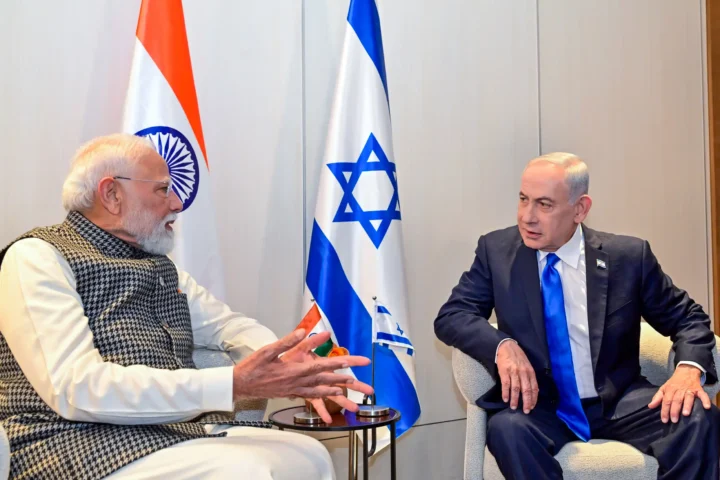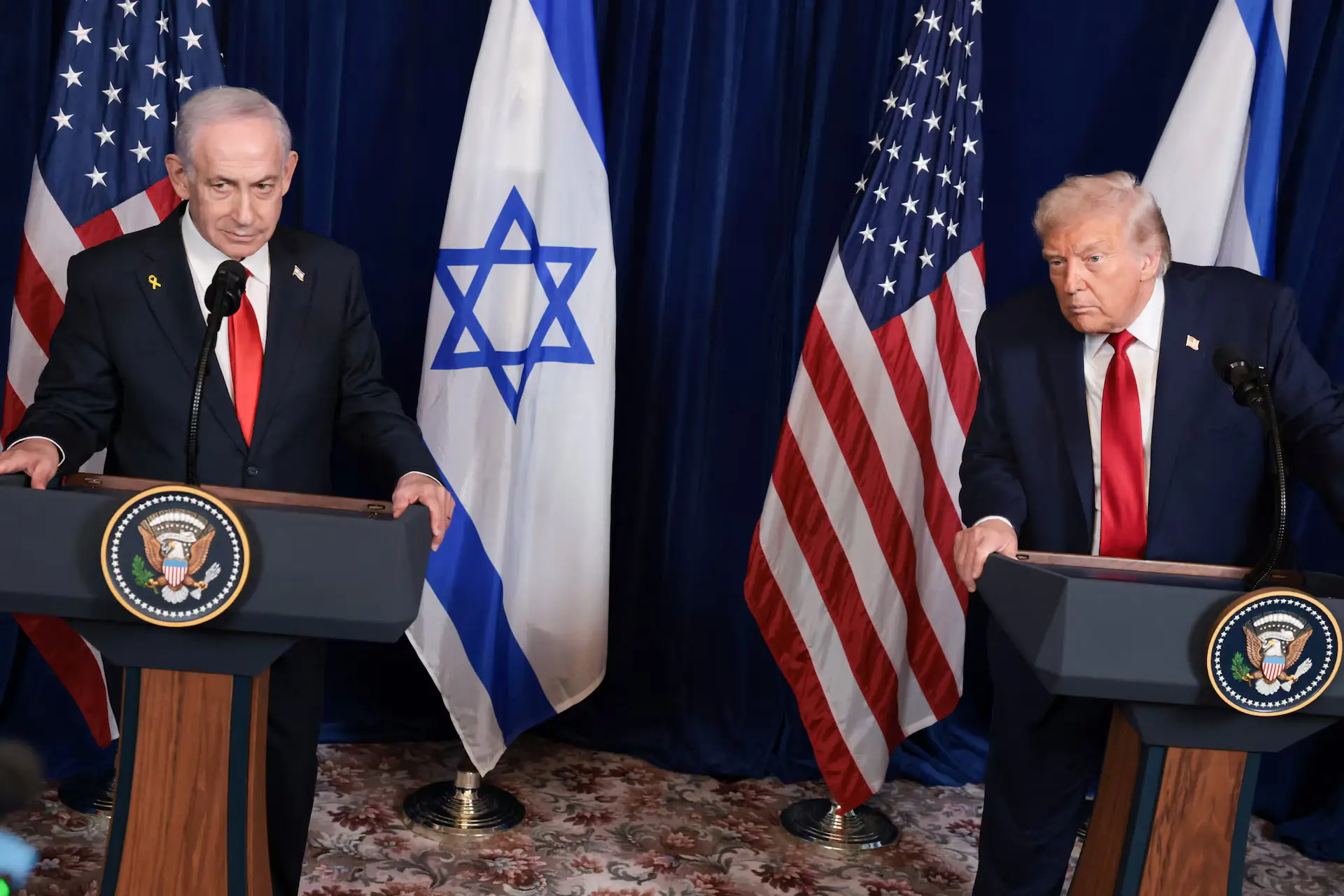
Israel’s demands in the ongoing Iran nuclear negotiations, as articulated by Prime Minister Benjamin Netanyahu during his recent White House meeting with President Donald Trump, center on a comprehensive approach that extends beyond Iran’s nuclear program. Netanyahu has urged the inclusion of limits on Iran’s ballistic missile program and an end to Tehran’s support for proxy militant groups such as Hamas and Hezbollah. While Iran insists its missile arsenal is non-negotiable and has confined talks to nuclear issues, Israel’s position is rooted in legitimate security imperatives that make these demands not only reasonable but essential for regional stability and Israel’s survival.
From Israel’s perspective, Iran’s nuclear ambitions cannot be isolated from its broader military posture. Iran has developed one of the largest and most advanced ballistic missile arsenals in the Middle East, with ranges capable of reaching Israel (over 2,000 km for some systems like the Sejjil and Khorramshahr missiles). These missiles serve as delivery vehicles for potential nuclear warheads, rendering any nuclear deal incomplete if it leaves this capability unchecked. A nuclear breakout capability paired with precise, long-range missiles would pose an existential threat to Israel, a small country with limited strategic depth. Even without nuclear warheads, Iran’s missiles have been used in direct attacks on Israel and through proxies, as seen in barrages from Hezbollah and other groups.
Netanyahu’s push aligns with long-standing Israeli doctrine that views Iran’s missile program as integral to the nuclear threat. Israel has consistently argued that halting uranium enrichment alone is insufficient; the ability to deliver weapons must also be curtailed. This stance is informed by historical precedents, including Iran’s violations of past agreements and its continued enrichment to near-weapons-grade levels. By advocating for missile limits, Israel seeks to prevent a scenario where sanctions relief funds further missile development, allowing Tehran to rebuild capabilities damaged in prior conflicts, such as the 2025 exchanges.
Equally critical are Israel’s concerns over Iran’s support for the “axis of resistance”, proxy forces encircling Israel. Iran provides funding, weapons, training, and operational guidance to Hamas in Gaza, Hezbollah in Lebanon, and militias in Syria and Iraq. These groups have launched thousands of rockets and attacks on Israel, often coordinated with Iranian strategy. Hezbollah alone possesses an estimated 150,000 rockets, many precision-guided thanks to Iranian technology. Ending this support would dismantle the multi-front threat Israel faces, reducing the risk of simultaneous escalations that could overwhelm defenses like Iron Dome.
Critics argue that broadening talks to include missiles and proxies complicates diplomacy, as Tehran views its missile program as a sovereign defensive deterrent, especially after U.S. withdrawal from the JCPOA in 2018 and subsequent Israeli strikes. Iran has repeatedly declared missiles “non-negotiable,” framing them as conventional defense against perceived aggression. However, this position overlooks how Iran’s missiles are not merely defensive; they enable offensive coercion and proxy warfare that destabilizes the region. Iran’s missiles have targeted U.S. bases, Saudi oil facilities, and Israeli territory, underscoring their aggressive utility.
Israel’s demands make strategic sense because partial deals historically fail to contain Iran. The 2015 JCPOA, which Netanyahu fiercely opposed, focused narrowly on nuclear aspects but allowed missile development and proxy activities to continue unchecked. Post-JCPOA, Iran advanced its missile accuracy and range while expanding regional influence. A narrow nuclear agreement today could repeat this pattern: sanctions relief would empower Iran economically without addressing delivery systems or destabilizing proxies, potentially leading to a more dangerous Iran in the long term.
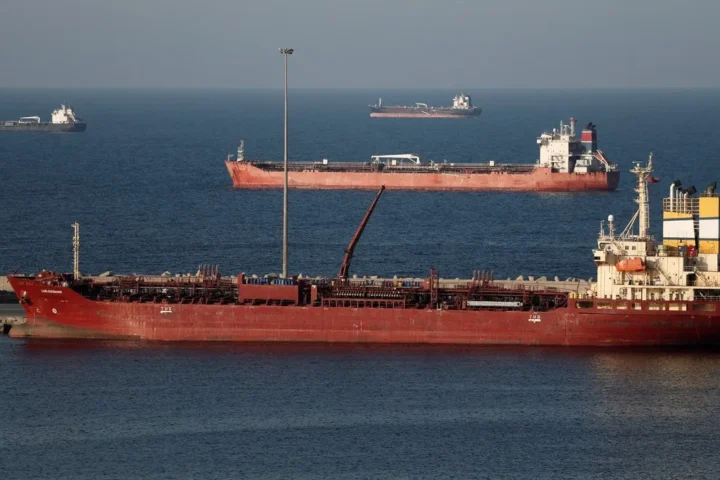
Moreover, these demands serve broader international interests. A comprehensive deal curbing missiles and proxies would enhance security for U.S. allies like Saudi Arabia and the UAE, reduce the risk of wider conflict, and limit Iran’s ability to threaten global energy routes (e.g., via the Strait of Hormuz). Even if Iran refuses, highlighting these issues strengthens the case for sustained pressure, including military options if diplomacy fails. Netanyahu has emphasized that these principles promote “peace and security in the Middle East” for all nations, not just Israel.
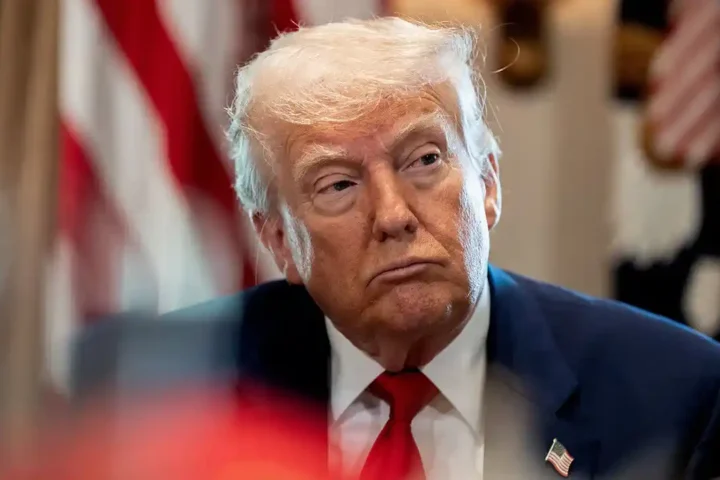
In the context of renewed U.S.-Iran talks under Trump, who has prioritized a “better deal,” incorporating Israel’s concerns prevents concessions that could embolden Tehran. Trump’s insistence on continuing negotiations while warning of consequences if no deal materializes suggests alignment with Israel’s view that diplomacy must address the full spectrum of threats. Israel’s small size, surrounded by hostile actors, necessitates a maximalist approach: preventing nuclear breakout, missile delivery, and proxy encirclement simultaneously.
Israel’s demands are not obstructionist but pragmatic responses to a multifaceted Iranian threat. Ignoring missiles and proxies would leave Israel vulnerable to a regime that has repeatedly vowed its destruction. In a volatile region, where past partial agreements have faltered, a holistic strategy offers the best path to durable security, making Netanyahu’s position not only sensible but indispensable.