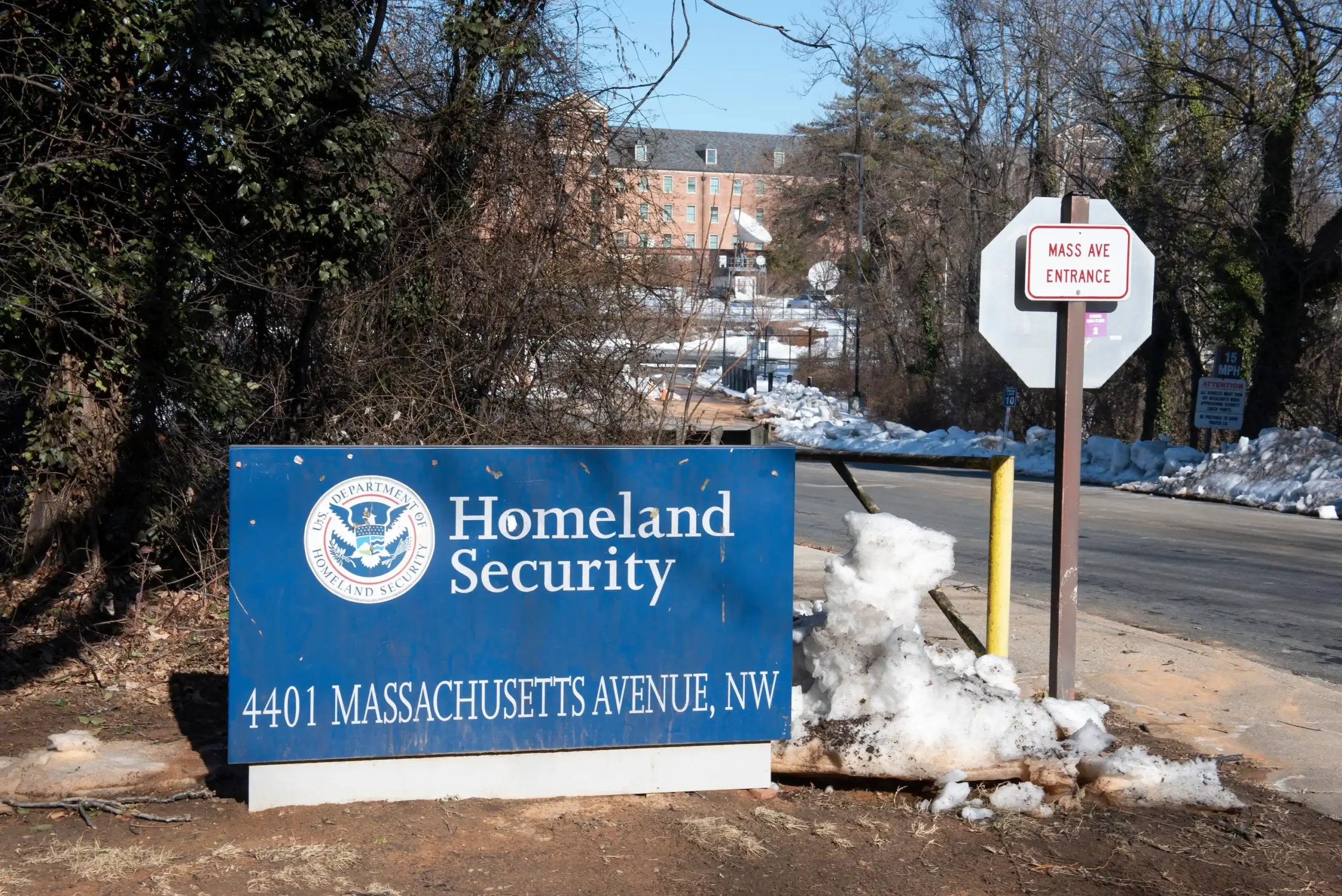
The recent partial government shutdown at the Department of Homeland Security (DHS), triggered by a partisan standoff over immigration enforcement reforms, has exposed a critical vulnerability in American governance: the fragility of independent oversight when politics interrupts funding. As reported by Politico on February 15, 2026, the DHS Office of Inspector General (OIG), the department’s independent watchdog, has warned that the lapse in appropriations is forcing it to suspend approximately 85% of its audits, evaluations, and inspections. This includes several active probes into the Trump administration’s aggressive immigration crackdown, such as reviews of facial recognition use, allegations of excessive force by Immigration and Customs Enforcement (ICE) agents, and broader enforcement practices. In an era of heightened immigration operations, this suspension represents more than bureaucratic inconvenience; it risks eroding accountability at precisely the moment when scrutiny is most needed.
The shutdown stems from Democrats’ refusal to pass baseline funding for DHS without concessions on immigration enforcement guardrails, following the fatal shootings of two U.S. citizens, Alex Pretti and Renee Good, by federal officers in Minneapolis last month. Democrats have pushed for measures like mandatory body cameras, judicial warrants for certain arrests, prohibitions on masked operations, and restrictions on large-scale sweeps. Republicans and the administration have resisted, arguing these would hamstring enforcement. Meanwhile, core immigration functions at ICE and Customs and Border Protection (CBP) continue largely uninterrupted, thanks to separate billions in funding secured through last year’s major tax and spending legislation. This selective continuity highlights a perverse irony: enforcement proceeds apace, but the mechanisms to ensure it remains lawful, humane, and effective are starved.
The OIG’s warning is particularly alarming because oversight is not optional window dressing; it’s a constitutional safeguard. The inspector general’s office exists to root out waste, fraud, abuse, and misconduct across DHS’s vast operations, which include not just immigration but cybersecurity, disaster response, and transportation security. Suspending most audits means ongoing investigations into sensitive areas, like potential civil rights violations during raids or the misuse of surveillance tools, grind to a halt. Criminal probes may persist, but the broader evaluative work that informs policy, protects vulnerable populations, and prevents systemic failures is sidelined. Past shutdowns have shown the consequences: during previous lapses, detention oversight weakened, contributing to unchecked conditions where deaths in custody occurred without timely investigation.
This lapse arrives amid intensified scrutiny of the administration’s immigration agenda. The OIG had eight active reviews related to the nationwide crackdown before funding dried up. These include examinations of hiring surges, biometric data handling, and use-of-force incidents. Halting them creates a blind spot at a time when reports of aggressive tactics, raids, detentions, and enforcement in communities have raised alarms about overreach. Without independent verification, allegations of abuse risk becoming politicized shouting matches rather than fact-based inquiries. Congress, the public, and even DHS leadership rely on OIG findings to drive reforms, allocate resources wisely, and maintain public trust.
Defenders of the administration point out that enforcement remains robust, and some Republicans have framed Democratic demands as attempts to weaken border security. Yet this misses the point: strong enforcement demands strong oversight. An unchecked apparatus invites mistakes, erodes legitimacy, and ultimately undermines the very goals of public safety and rule of law it pursues. When watchdogs are furloughed, the risk isn’t just delayed reports, it’s unchecked power that can lead to real harm, as seen in past controversies over family separations or detention conditions.
The shutdown also underscores a deeper dysfunction in how Congress handles appropriations. Tying essential funding to policy riders on divisive issues like immigration turns routine budgeting into high-stakes brinkmanship. DHS is too critical, overseeing airports, cybersecurity threats, and disaster recovery, to be held hostage repeatedly. A more responsible approach would separate baseline operations from policy debates, perhaps through multi-year funding for core functions or automatic continuing resolutions during impasses.
As Congress returns from recess on February 23, 2026, lawmakers must prioritize ending this lapse swiftly. Reinstating OIG funding should be non-negotiable, not a bargaining chip. Independent oversight isn’t a luxury; it’s essential to ensuring immigration enforcement serves justice rather than caprice. In a democracy, power without accountability is dangerous, especially when it involves the liberty and lives of millions. The DHS watchdog’s warning is a wake-up call: let the shutdown drag on, and we imperil not just operations, but the integrity of the system itself.