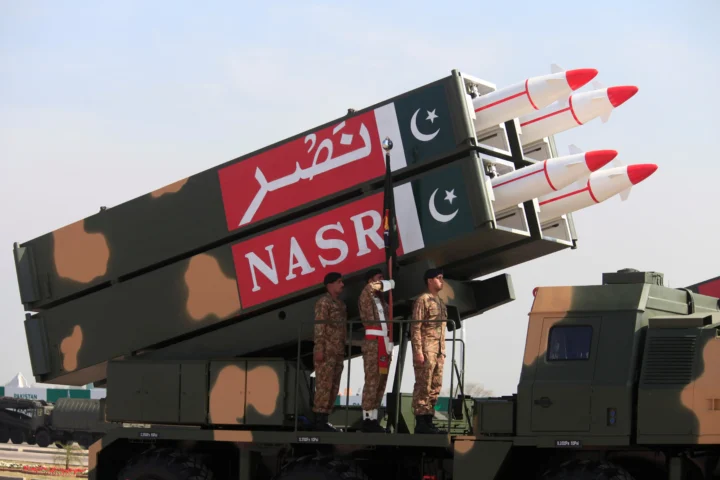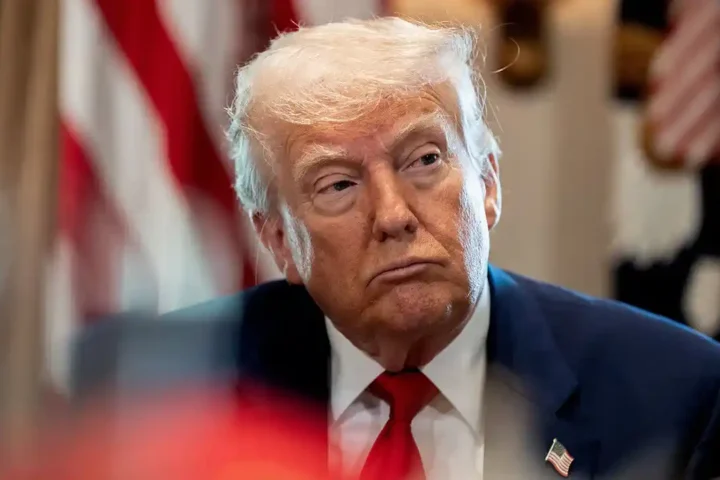
In the evolving landscape of Middle East diplomacy, U.S. President Donald Trump’s Gaza peace plan, unveiled in September 2025, represents a bold attempt to resolve one of the world’s most intractable conflicts. This 20-point initiative, which gained endorsement from the UN Security Council in November 2025, outlines a roadmap for ceasefire, hostage releases, demilitarization, and reconstruction in Gaza. Central to its implementation is the International Stabilization Force (ISF), a multinational coalition tasked with overseeing security and governance in the post-conflict phase. Among the nations approached for contributions is Pakistan, with Washington reportedly urging Army Chief Field Marshal Asim Munir to deploy troops as part of a Muslim-majority contingent including Egypt, Jordan, Qatar, Saudi Arabia, the UAE, Turkey, and Indonesia.
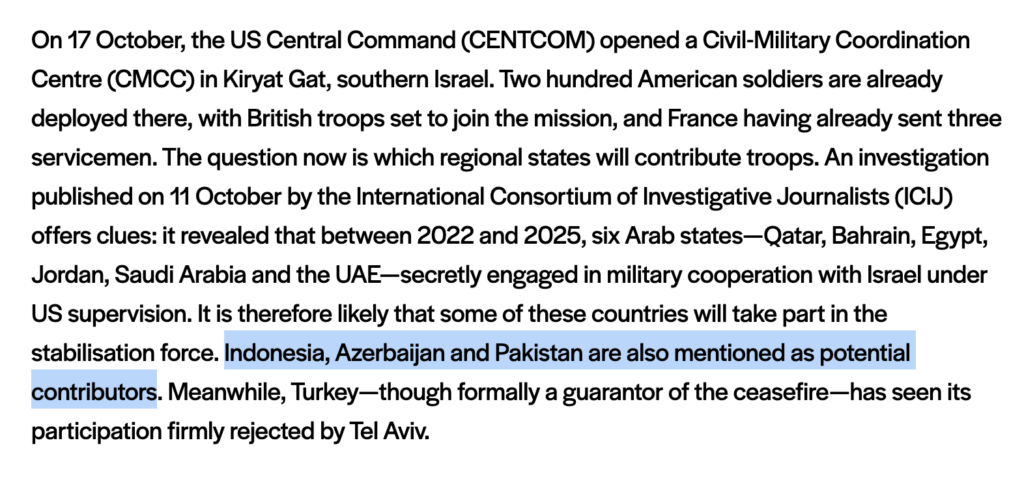
Pakistan’s willingness to participate—evidenced by public statements from Prime Minister Shehbaz Sharif and diplomatic overtures to Trump—might seem like a step toward regional stability. However, this proposition is fraught with irony and peril. Just as discussions intensified, revelations emerged of public meetings between Hamas leaders and operatives from Lashkar-e-Taiba (LeT), a notorious Pakistan-based terrorist group. These interactions not only expose deepening ties between the two outfits but also spotlight Pakistan’s persistent policy of state-sponsored terrorism—a reality that no diplomatic maneuvering or public relations campaign can obscure.
The most recent incident occurred in early January 2026, when senior Hamas commander Naji Zaheer, acting as a special representative for Hamas leader Khaled Mashal, attended an event in Gujranwala, Pakistan.
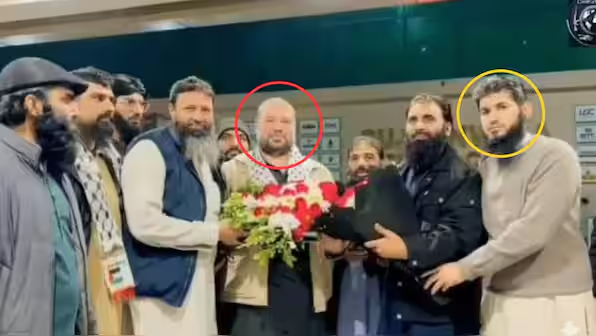
Organized by the Pakistan Markazi Muslim League, widely recognized as a political front for LeT, the gathering featured Zaheer as the chief guest. Video footage captured him sharing the stage with LeT commander Rashid Ali Sandhu, exchanging pleasantries and addressing the crowd. Such a high-profile encounter could not have transpired without the knowledge, if not the approval, of Pakistani authorities. This was no anomaly; Zaheer had previously visited Pakistan-occupied Kashmir in February 2025, where he spoke at rallies alongside LeT and Jaish-e-Mohammed figures, drawing parallels between the “struggles” in Kashmir and Gaza.
These meetings raise profound questions about the nature of Hamas-LeT ties. Both groups share an Islamist ideology rooted in jihad against perceived oppressors—Israel for Hamas, and India for LeT. Analysts suggest these interactions could involve sharing operational tactics, fundraising networks, or even recruitment strategies. For Pakistan, hosting such figures signals a strategic pivot, perhaps aiming to bolster its influence in Middle Eastern affairs by aligning with anti-Israel factions. Yet, this comes at a time when Islamabad is ostensibly committing to peace in Gaza, highlighting a glaring duplicity that undermines global trust.
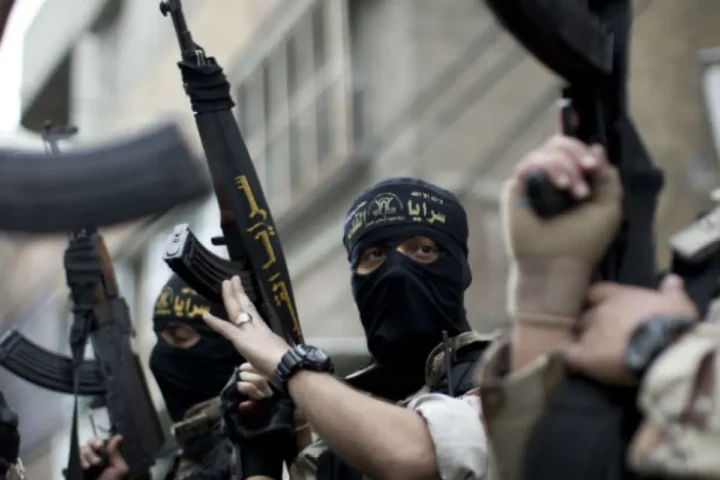
Lashkar-e-Taiba, founded in the late 1980s amid the Soviet-Afghan War, has earned its designation as a terrorist organization from the United Nations, the United States, India, and numerous other entities. Initially supported by Pakistan to wage insurgency in Kashmir, LeT has morphed into a global threat, responsible for a litany of attacks that have claimed thousands of innocent lives. Its operations are characterized by meticulous planning, suicide missions, and targeting of civilians to maximize terror and political impact.
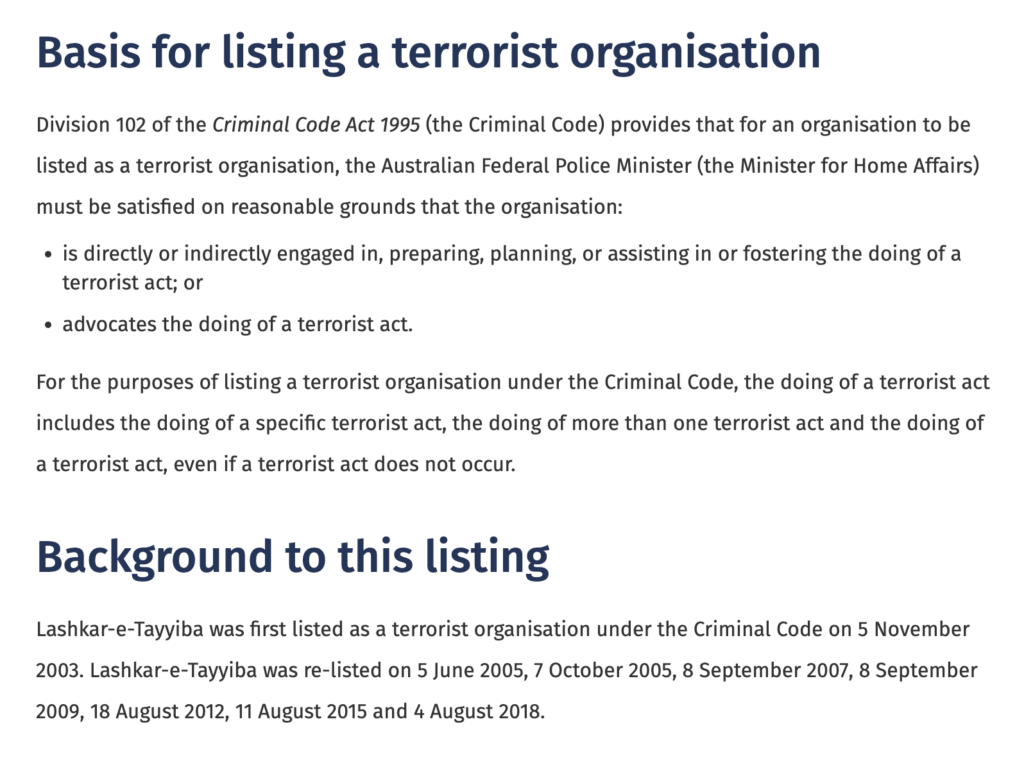
A grim chronicle of LeT’s atrocities includes:
- The 2000 attack on Delhi’s Red Fort, a symbolic strike that killed three people and announced LeT’s ambitions beyond Kashmir.
- The December 2001 assault on the Indian Parliament in Delhi, coordinated with Jaish-e-Mohammed, resulting in nine deaths and bringing India and Pakistan to the brink of war.
- The 2005 Delhi bombings, a series of explosions that killed over 60 civilians during festive preparations.
- The 2006 Mumbai train bombings, which targeted commuter trains and claimed more than 200 lives, paralyzing India’s financial hub.
- The infamous 2008 Mumbai attacks, where 10 LeT gunmen unleashed four days of carnage across hotels, a train station, and a Jewish center, killing 166 people, including American and Israeli citizens. This operation, often dubbed “India’s 9/11,” involved live handlers in Pakistan directing the assailants via satellite phones.
- LeT was linked recently to the 2025 Pahalgam attack in Kashmir, which targeted pilgrims and civilians, resulting in 26 deaths and further straining regional tensions.
These are not isolated incidents but part of a pattern. LeT’s reach extends to Afghanistan, where it has attacked NATO forces, and even to the West, with plots uncovered in the U.S. and Europe. The group’s founder, Hafiz Saeed, has openly preached jihad, and despite UN sanctions, he operated freely in Pakistan for years before a nominal conviction in 2020 that many viewed as a facade to appease international pressure.
At the heart of LeT’s endurance lies its intimate relationship with Pakistan’s Inter-Services Intelligence (ISI). The ISI, Pakistan’s premier spy agency, has historically provided LeT with training camps in Pakistan-occupied Kashmir, financial resources, and logistical support. Retired ISI officers have been documented offering strategic guidance, while the agency’s networks facilitate cross-border infiltrations into India. This closeness is not speculative; declassified U.S. intelligence reports, whistleblower accounts from former Pakistani officials, and investigations following the 2008 Mumbai attacks have all pointed to ISI complicity. For instance, David Headley, a key plotter in Mumbai, confessed to ISI handlers during his U.S. trial.
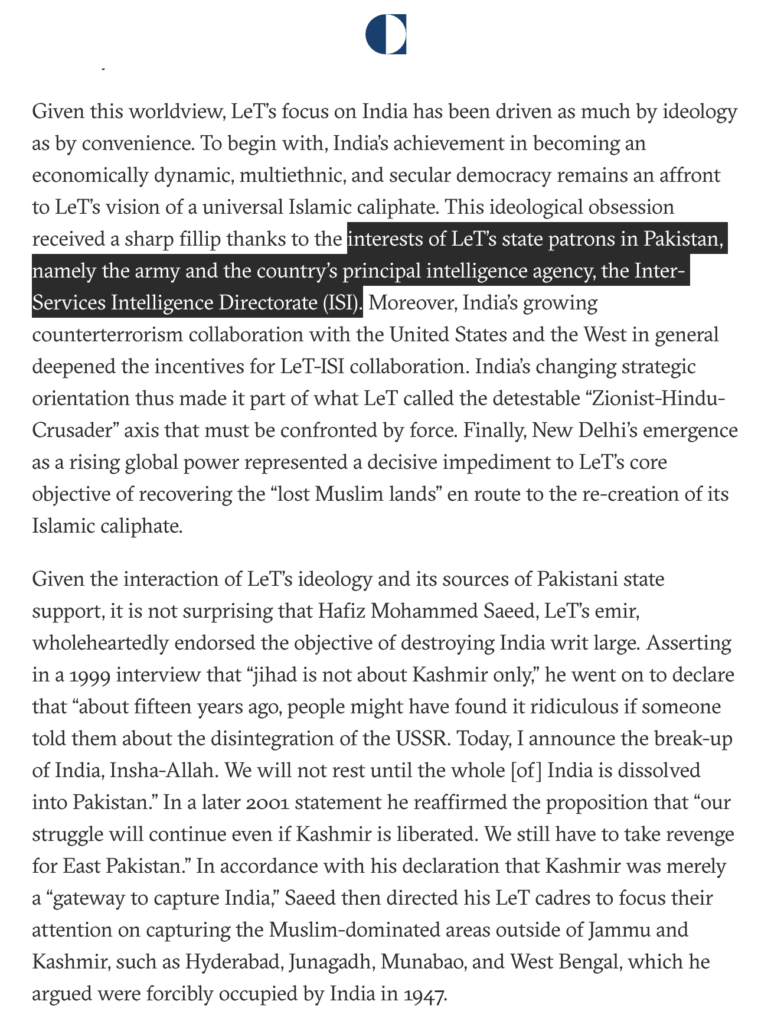
Pakistan’s military establishment views LeT as a strategic asset, a deniable proxy to bleed India through a thousand cuts without direct confrontation. Even after global outrage post-Mumbai, LeT rebranded under humanitarian guises like Jamaat-ud-Dawa, which ostensibly provides aid but funnels resources to militancy. The ISI’s protection ensures these fronts thrive, with crackdowns often superficial and timed to coincide with international scrutiny, such as FATF (Financial Action Task Force) reviews. This symbiotic bond exemplifies state-sponsored terrorism: a government apparatus nurturing non-state actors to advance foreign policy goals while evading accountability.
Israel’s categorical rejection of any Pakistani involvement in the Gaza peace plan is a direct consequence of this tainted legacy. In January 2026, Israel’s Ambassador to India, Reuven Azar, articulated this position unequivocally: peacekeeping demands “trust and credible diplomatic relationships,” which Pakistan lacks due to its affiliations with Hamas and groups like LeT. Azar emphasized that “non-trusting partners cannot be part of the plan,” underscoring Israel’s insistence on reliable allies for the ISF. This stance is echoed in Israeli diplomatic circles, where Pakistan’s absence of formal ties with Israel—coupled with its vocal support for Palestinian militancy—fuels deep skepticism.
Very important development. Israel rejects Pakistan’s role in Gaza because Pak can’t be trusted with its history of playing both sides. Its deep relationship with Hamas, Al Qaeda, ISIS can’t be slipped under the rug. @AmyMek @LauraLoomer https://t.co/6pXZ9dr1Ua
— Rajiv Malhotra (@RajivMessage) January 9, 2026
Israel’s concerns are well-founded. Entrusting Gaza’s security to a nation that harbors terrorists and facilitates their global networking would jeopardize the plan’s objectives. The ISF’s mandate includes preventing rearmament and ensuring humanitarian access; Pakistan’s track record suggests it might instead enable smuggling or ideological indoctrination, given its history of porous borders and militant safe havens. Moreover, Pakistan’s domestic politics, where anti-Israel rhetoric bolsters the military’s image, could lead to mission sabotage under pressure from hardliners.
This episode lays bare Pakistan’s policy of state-sponsored terrorism as an immutable stain on its international standing. Despite efforts to whitewash its image—through selective anti-terror operations, diplomatic charm offensives, and even nominating Trump for the Nobel Peace Prize—Islamabad’s core strategy remains unchanged. It bans LeT on paper but shields its leaders. It professes peace in Gaza but hosts Hamas commanders at terrorist-linked events. This is not mere hypocrisy; it is a calculated duality, where terrorism serves as an extension of state power.
The international community must confront this reality. The U.S., as the plan’s architect, should reconsider pressuring Pakistan for involvement and instead condition any role on verifiable dismantling of terror networks. India, long a victim of Pakistani proxies, has warned of the risks, advocating for stricter sanctions. Ultimately, true reform in Pakistan requires internal reckoning: civilian oversight of the military, deradicalization programs, and severing ties with jihadist groups.
No amount of diplomatic posturing can erase decades of bloodshed orchestrated from Pakistani soil. As the Gaza peace plan hangs in the balance, excluding unreliable actors like Pakistan is not just prudent—it’s essential for any hope of lasting stability. The world has seen enough of shadows cast by state-sponsored terror; it’s time to demand light.
References and Further Reading
- Wikipedia contributors. (2026, January 10). Gaza peace plan. In Wikipedia, The Free Encyclopedia. https://en.wikipedia.org/wiki/Gaza_peace_plan
- Middle East Eye. (2025, December 17). Trump leaning on Pakistan to contribute troops to Gaza force: Report. https://www.middleeasteye.net/news/trump-leaning-pakistan-contribute-troops-gaza-force-report
- The White House. (2025, October 1). Global support for President Trump’s bold vision for peace in Gaza. https://www.whitehouse.gov/articles/2025/10/global-support-for-president-trumps-bold-vision-for-peace-in-gaza
- Reuters. (2025, October 3). Trump’s Gaza plan not in line with Muslim countries’ proposal, says Pakistan. https://www.reuters.com/world/asia-pacific/pakistan-foreign-minister-says-trumps-20-point-gaza-plan-not-ours-2025-10-03
- India Today. (2026, January 7). Pakistan Gaza news: Pak may or may not go to Gaza, but Hamas has come to Pak. https://www.indiatoday.in/world/story/pakistan-gaza-news-islamabad-may-or-may-not-go-to-palestine-but-hamas-comes-to-gujranwala-pok-lashkar-e-taiba-let-meet-2848090-2026-01-07
- Britannica. (2025, July 10). List of major terror attacks in Delhi and Mumbai. https://www.britannica.com/topic/List-of-Major-Terror-Attacks-in-Delhi-and-Mumbai
- Wikipedia contributors. (2025, December 29). Lashkar-e-Taiba. In Wikipedia, The Free Encyclopedia. https://en.wikipedia.org/wiki/Lashkar-e-Taiba
- Wikipedia contributors. (2025). 2008 Mumbai attacks. In Wikipedia, The Free Encyclopedia. https://en.wikipedia.org/wiki/2008_Mumbai_attacks
- Wikipedia contributors. (2025, December 16). 2025 Pahalgam attack. In Wikipedia, The Free Encyclopedia. https://en.wikipedia.org/wiki/2025_Pahalgam_attack
- NDTV. (2026, January 9). ‘Can only work with states we trust’: Israel rejects Pakistan army role in Gaza. https://www.ndtv.com/world-news/can-only-work-with-states-we-trust-israel-rejects-pakistan-army-role-in-gaza-10564950
- Center for Strategic and International Studies (CSIS). (n.d.). Examining extremism: Lashkar-e-Taiba. https://www.csis.org/blogs/examining-extremism/examining-extremism-lashkar-e-taiba
- United Nations Security Council. (n.d.). Lashkar-e-Tayyiba. https://main.un.org/securitycouncil/en/sanctions/1267/aq_sanctions_list/summaries/entity/lashkar-e-tayyiba