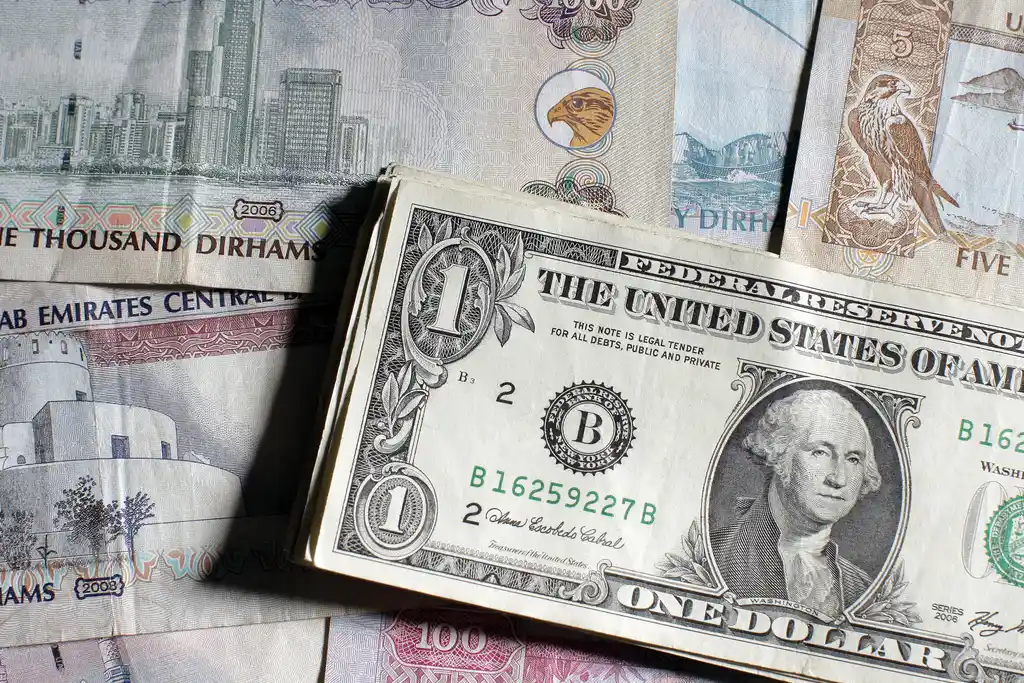
Pakistan’s economy has been grappling with a deepening crisis for years, characterized by chronic external debt pressures, reliance on international bailouts, stagnant growth, and structural weaknesses. The recent development, where the United Arab Emirates (UAE) rolled over $2 billion of Pakistan’s debt for just one month at a 6.5% interest rate, exemplifies the precarious nature of Islamabad’s financial management. This extension covers two $1 billion loans that matured on January 16 and 22, 2026, providing only temporary breathing room while negotiations continue for a longer-term rollover (ideally two years at around 3%). This short-term fix underscores Pakistan’s ongoing dependence on bilateral rollovers from allies like the UAE, Saudi Arabia, and China to avert immediate default risks.
Pakistan’s external debt challenges are immense. In fiscal year 2025–26, the country faces significant external repayments, with estimates around $23-26 billion in total servicing needs (including principal and interest), of which roughly $12 billion is expected through friendly creditor rollovers, leaving a substantial net burden. Total external debt stands at approximately $134 billion (as of late 2025 data), representing a heavy load relative to GDP. Foreign exchange reserves have shown some recovery, with total liquid reserves at $21.29 billion (SBP-held at $16.10 billion) as of late January 2026, but these remain vulnerable to maturities and import requirements. The IMF’s $7 billion Extended Fund Facility (EFF), approved in September 2024 alongside the Resilience and Sustainability Facility, has been crucial for stability. The second review was completed in December 2025, unlocking disbursements, but progress depends on reforms like fiscal discipline and state-owned enterprise (SOE) restructuring. Bilateral commitments total around $12 billion in rollovers this year, yet the UAE’s cautious one-month extension signals shifting dynamics, possibly due to higher risk perceptions or geopolitical factors, moving from concessional “brotherly” aid toward more commercial terms.
Compounding the debt burden are repeated IMF engagements. Pakistan has cycled through multiple programs, with the latest EFF emphasizing macroeconomic stability, reserve rebuilding, tax base broadening, and SOE reforms. While fiscal performance has improved (e.g., primary surplus targets met), inflation remains sticky, partly due to energy costs and external shocks. The economy grew around 3% in recent periods, with modest projections ahead, but this is insufficient for a population growing rapidly and requiring millions of new jobs annually.
Employment trends reveal a stark human cost. Official unemployment has risen, with the rate reaching around 6.9% in 2024-25 (up from 6.3% earlier), marking increases across demographics. Youth unemployment (ages 15-24) stood at approximately 9.9% in 2024, with some estimates for the prime youth group (15-24) at 12.6% in 2024-25. The unemployed population surged by 1.4 million (31%) from 2020-21 to 2024-25. Over recent years, hundreds of thousands of Pakistanis have emigrated for work, driven by stagnant wages, limited opportunities, and rising costs. The economy struggles to create the 1.5 million jobs needed yearly, worsened by IMF-mandated austerity (higher taxes, energy tariffs), and disruptions like past floods affecting agriculture and industry.
To manage fiscal strains and meet IMF conditions, the government has accelerated privatization efforts. Key moves include the successful privatization of Pakistan International Airlines (PIA) in late 2025, with 75% stake sold to a private consortium. Other assets targeted include banks, power entities, and properties like the Roosevelt Hotel in New York (under a redevelopment joint-venture model rather than outright sale, aiming to boost value). SOEs have long imposed heavy subsidies and losses, and privatization seeks to cut fiscal drains, improve efficiency, and generate funds for debt management or reserves. However, concerns persist about impacts on public services and risks of uneven outcomes.
These factors interlink in a vicious cycle: High debt servicing crowds out investment in growth sectors, limiting job creation and exacerbating unemployment. Emigration drains human capital, while privatization addresses symptoms but not root causes like low tax-to-GDP ratios, energy sector inefficiencies, and governance issues. Reserves offer short-term cover, but sustained rollovers remain essential.
Pakistan’s crisis is structural, rooted in decades of mismanagement, over-reliance on external financing, and failure to diversify exports or boost productivity. While IMF support and bilateral aid have prevented outright default, the path to sustainability requires deeper reforms: expanding the tax net, improving governance, investing in human capital, and fostering private-sector-led growth. Without these, short-term patches, like the UAE’s one-month rollover, will persist, perpetuating vulnerability. As reserves hover around three months of imports and debt maturities loom, the economy remains on a knife-edge, demanding urgent, comprehensive action to avert deeper turmoil.