Washington loves to talk about affordability. It loves it even more when the word can be wielded as a political cudgel. But the grinding, unglamorous work that actually lowers costs rarely gets the same enthusiasm. The fight over energy permitting reform now moving to the Senate is a case study in that disconnect — and a warning sign for voters already angry about high prices.
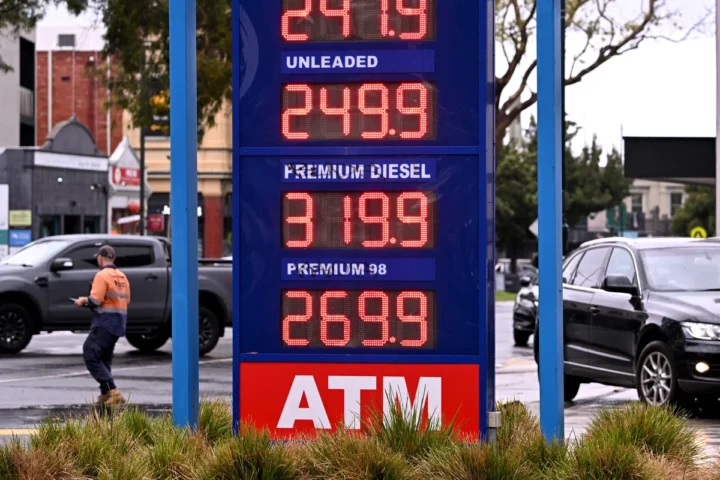
On paper, this should be easy. A rare bipartisan coalition agrees on the basic diagnosis: America cannot build energy infrastructure fast enough, and that failure is pushing power prices higher just as demand surges from artificial intelligence data centers, electrification and population growth. Electricity prices are rising far faster than inflation, and the problem is structural, not cyclical. Without new generation and new transmission, the squeeze will only intensify.
Yet the House-passed SPEED Act shows how fragile that consensus really is — and how much it depends on leadership that, so far, has been missing.
The irony is that this moment should belong to President Donald Trump. No modern politician has tied his brand more tightly to the idea that government incompetence drives up everyday costs. No party has more at stake in next year’s elections than Republicans facing voters furious about utility bills. And no reform offers a clearer throughline from policy to pocketbook than permitting reform.
Instead, the White House has treated the issue like a technical nuisance rather than an economic emergency. Trump has brushed off affordability concerns as overblown, while his administration has limited itself to offering advice from the sidelines. That vacuum is shaping the bill in ways that threaten to sink it.
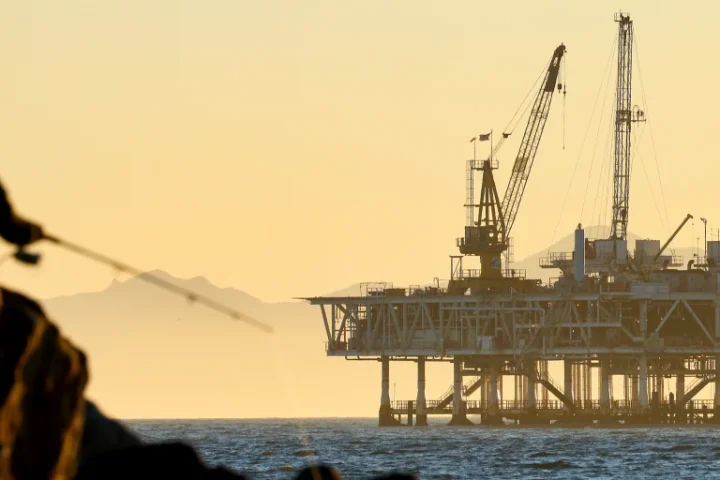
Permitting reform only works if it is genuinely “all of the above.” That means faster approvals not just for pipelines and gas export terminals, but also for wind farms, solar projects and — critically — the long-distance transmission lines needed to move cheap power across regions. Strip out any one of those pieces and you are not streamlining the system; you are tilting it.
House Republican leaders, facing pressure from anti-renewable hardliners, chose tilt over durability. By weakening provisions that would have constrained presidential interference in already-approved projects, they reassured colleagues who want Trump to retain maximum power to block offshore wind. In doing so, they undercut the very certainty investors need to build anything at all.
That choice explains why clean energy groups bolted and why Senate Democrats are openly skeptical. It also explains why this bill, despite broad conceptual support, may stall yet again.
The deeper problem is mistrust — and it is not abstract. Democrats have watched the Trump administration attempt to revoke permits, stall approvals and target renewable energy projects that are among the cheapest new sources of electricity on the grid. Asking them to loosen environmental review while giving the White House wide latitude to kill clean energy is not a compromise; it is a gamble they have little reason to take.
At the same time, progressive fantasies of a permitting overhaul that only accelerates clean energy are just as detached from reality. Any serious reform will speed approvals for oil and gas as well. The choice is not between fossil fuels and renewables. It is between building faster or paying more.
That is why the senators still negotiating — Republicans like those warning about affordability blowback and Democrats insisting on clean-energy guardrails — are closer to the center of gravity than the loudest voices in either party. They understand what the House bill only gestures toward: permitting reform is not an ideological trophy. It is economic plumbing.
Failure here will not be neutral. Demand is rising whether Congress acts or not. AI data centers will get built. Homes will keep drawing power. If supply and transmission lag, prices go up — and voters will blame whoever is in charge.
That is the quiet political risk for Republicans. Blocking renewables may thrill parts of the base, but it does nothing to lower bills. If Trump wants to run again as the champion of working families squeezed by costs, he will eventually have to explain why he stood aside while the most obvious affordability reform in years fell apart.
Permitting reform is hard precisely because it forces Washington to choose governing over signaling. The Senate may yet salvage a narrower, sturdier deal. But without clear presidential buy-in — and without a commitment to neutrality that lets all energy compete — this moment will join a long list of missed chances.
Voters are watching prices, not process. Washington would do well to remember that before the lights get even more expensive.