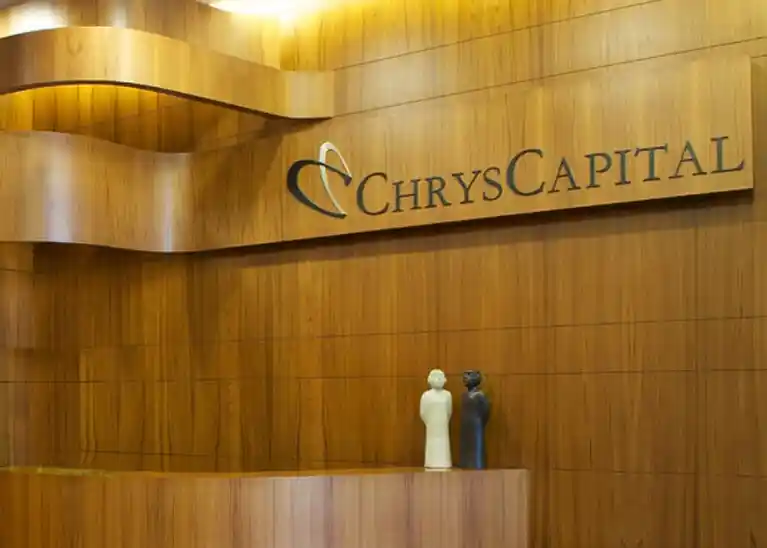
ChrysCapital’s closure of its $2.2 billion Fund X marks the largest private equity fund ever raised by an India-focused firm, surpassing its previous $1.35 billion fund by over 60%. This achievement highlights surging global and domestic investor trust in India’s growth story amid a tough worldwide fundraising climate. Deployed over 3-4 years into sectors like healthcare, financial services, consumer, and enterprise tech, the fund positions India as a prime destination for patient capital.
Fund Signals Broader Market Momentum
India’s PE/VC investments hit $26 billion in the first nine months of 2025, a three-year high, with Q3 alone recording $5.7 billion across 301 deals. ChrysCapital’s raise aligns with this boom, drawing 30 new global investors from Japan, the Middle East, Europe, and the US, plus first-time Indian institutional and family office participation—about 15% of the corpus. Sectors like financial services ($2.9 billion in October), e-commerce, and tech drove recent surges, reflecting robust GDP growth at 6.5% and policy support.
The firm’s track record bolsters this momentum: since 1999, ChrysCapital has raised $8.5 billion across 10 funds, invested $5.5 billion in 110 companies, and realized $7.8 billion from 80 exits with a 3x ROI. Past successes in Lenskart, Dream11, FirstCry, and NSE stakes demonstrate its focus on scalable, profitable businesses with strong governance.
Economic Implications for Growth and Jobs
This influx fuels company expansions, innovation, and job creation in high-potential sectors. PE investments professionalize firms, enhancing competitiveness—ChrysCapital targets 15-16 deals of $75-200 million each, prioritizing majority stakes in resilient areas like pharma and manufacturing. With India’s middle class expanding and digital adoption accelerating, such capital amplifies consumption and productivity, potentially adding millions of jobs in healthcare (e.g., KIMS Hospitals) and fintech.
Broader ripple effects include deeper capital markets and exit liquidity via IPOs, as seen in recent PE-backed listings. The fund’s domestic LP inclusion signals maturing local wealth recycling into growth assets, reducing reliance on foreign flows amid global tensions.
Despite optimism, risks loom: global trade tensions, geopolitical strains, and moderating inflation could widen bid-ask spreads in deals. ChrysCapital’s strategy avoids unproven AI hype, favoring proven models, but high interest rates might hit capital-intensive sectors like manufacturing. Exits dipped in early 2025, though open-market sales and IPOs provide outlets.
Regulatory hurdles, such as GST tweaks and US-India FTA progress, will shape flows—positive reforms could unlock more FPI confidence.
Strategic Boost for India’s Ambitions
ChrysCapital’s fund validates India’s shift from startup frenzy to mature buyouts, similar to China’s path two decades ago. It underscores favorable demographics, infrastructure push, and policy like tax rebates fueling private consumption. For a $4 trillion-plus economy targeting developed status by 2047, such PE firepower accelerates value creation, with the market projected to grow at 19% CAGR to $347 billion by 2033.
This raise cements homegrown firms like ChrysCapital—competing with KKR and Blackstone—as engines of self-reliant capitalism. Ultimately, it promises sustained multipliers: higher exports, innovation, and inclusive growth, provided execution matches ambition.