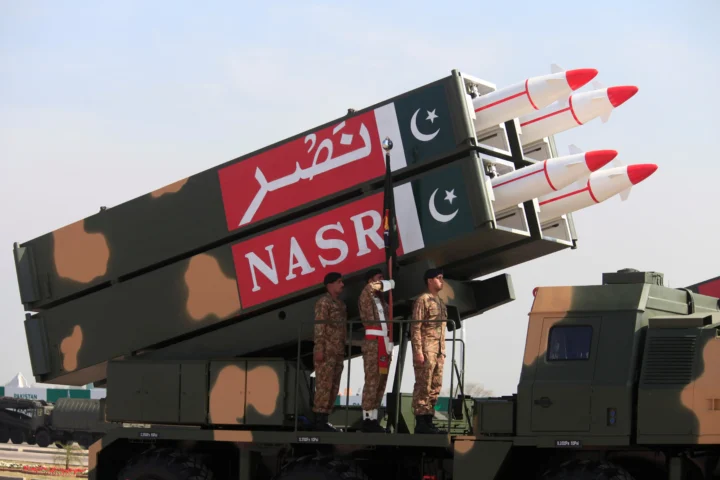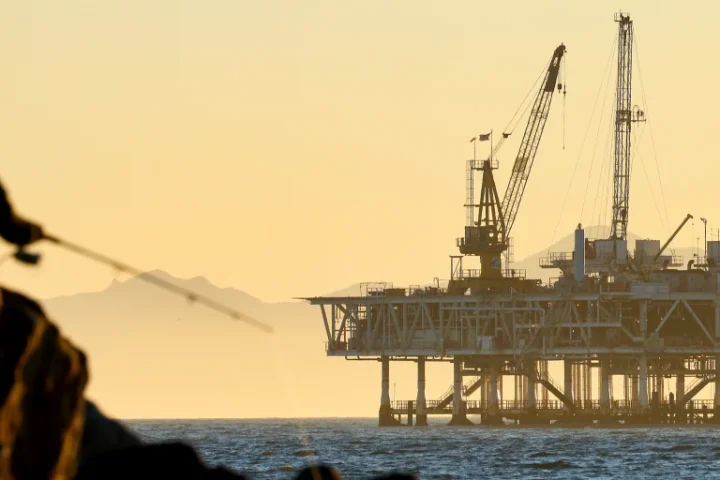
The recent surge in crude oil prices represents one of the most dramatic market shocks in recent memory. Benchmark WTI crude has rocketed past $90 per barrel, hitting levels not seen since before the post-pandemic stabilization, while Brent has approached or exceeded similar highs, with weekly gains exceeding 35% in some contracts, marking historic records in futures trading dating back to 1983. This isn’t driven by typical supply-demand imbalances or seasonal factors. Instead, it stems from escalating geopolitical tensions in the Middle East, particularly the ongoing U.S.-Iran conflict that has disrupted flows through the Strait of Hormuz, a chokepoint for roughly 20% of global oil supply.
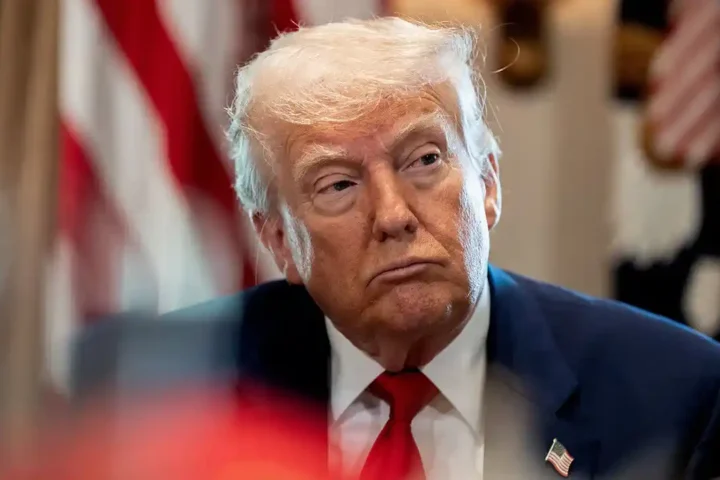
President Trump’s administration, entering its second term with promises of “energy dominance” and lower costs for Americans, has pursued aggressive measures to calm markets. These include public demands for Iranian surrender, signals of naval escorts for tankers, potential releases from strategic reserves, and reassurances that the conflict would be short-lived. Yet these efforts have conspicuously failed. Markets remain unconvinced, with prices continuing their ascent even as officials hint at imminent actions to ease pressure. The disconnect is stark: assurances from Washington have done little to offset fears of prolonged disruption, leading traders to price in worst-case scenarios where supplies remain constrained for months.
This failure exposes deeper flaws in the administration’s approach to energy security. Trump’s “drill, baby, drill” mantra worked in calmer times, boosting U.S. production to record levels and helping suppress prices through much of 2025 via oversupply dynamics and pressure on OPEC. But geopolitics trumps domestic output when key transit routes are threatened. The U.S. may be the world’s top producer, yet it remains intertwined with global markets. When the Strait of Hormuz faces risks, from Iranian threats or direct conflict, American shale cannot magically reroute tankers or replace lost volumes overnight.
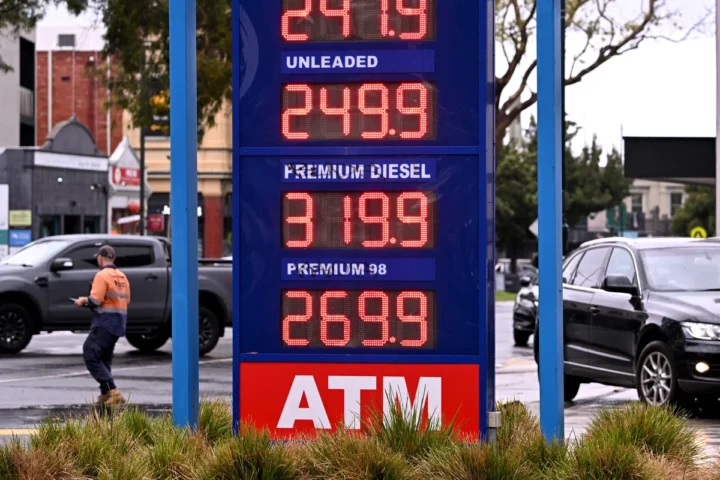
The consequences ripple far beyond pump prices. Gasoline costs in the U.S. have spiked rapidly, reversing earlier gains that saw averages dip below $3 per gallon. Households now face higher transportation and heating expenses at a time when inflation concerns linger. Globally, the surge exacerbates economic strain: European gas prices have seen sharp jumps reminiscent of the Ukraine crisis peaks, while emerging markets grapple with currency pressures and import bills. Stock markets have tumbled in response, with investors fleeing risk assets amid fears of an energy-driven recession.
Critics argue this moment vindicates warnings that Trump’s confrontational foreign policy, prioritizing “maximum pressure” on adversaries like Iran, carries outsized risks to energy stability. Rather than fostering deterrence through strength, it has invited escalation, turning a containable rivalry into open conflict with immediate market fallout. The administration’s pivot to promises of quick resolution rings hollow when traders bet on persistence. One prominent analyst has warned that crude could climb toward $200 unless Hormuz traffic resumes fully, underscoring how fragile the current calm truly is.
Meanwhile, the domestic energy sector, once buoyed by deregulation and export growth, now confronts a paradox. High prices should incentivize drilling, yet uncertainty from the conflict deters long-term investment. Refiners and consumers bear the brunt, while producers hesitate amid volatility that could swing back to oversupply if peace returns abruptly.
This crisis demands a recalibration. Energy security cannot rely solely on bravado or domestic production; it requires diplomatic deftness to de-escalate tensions and multilateral efforts to secure supply lanes. Diversifying away from over-reliance on volatile regions, through renewables, nuclear, and strategic alliances, offers a more resilient path than endless confrontation.
As prices soar and markets ignore White House reassurances, the lesson is clear: bold rhetoric alone cannot tame global forces. Trump’s measures, intended to project strength, have instead highlighted vulnerability. Until tangible de-escalation occurs, crude’s record jump will serve as a painful reminder that energy markets respect realities on the ground, not promises from podiums. The true test of leadership lies not in igniting conflicts but in swiftly ending them before they devastate economies and everyday lives.