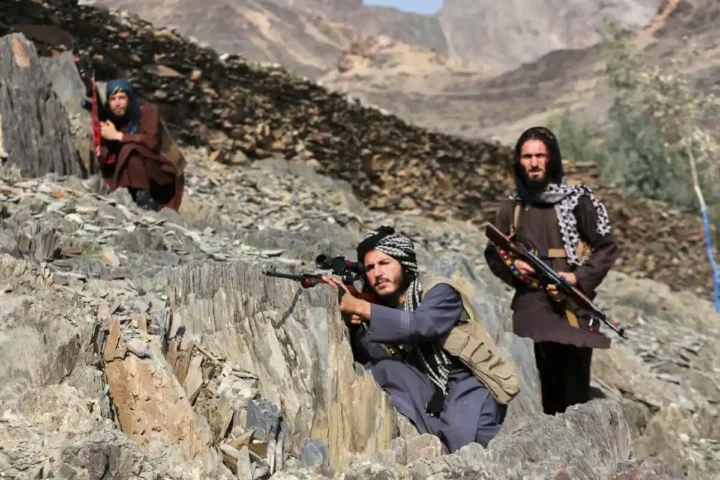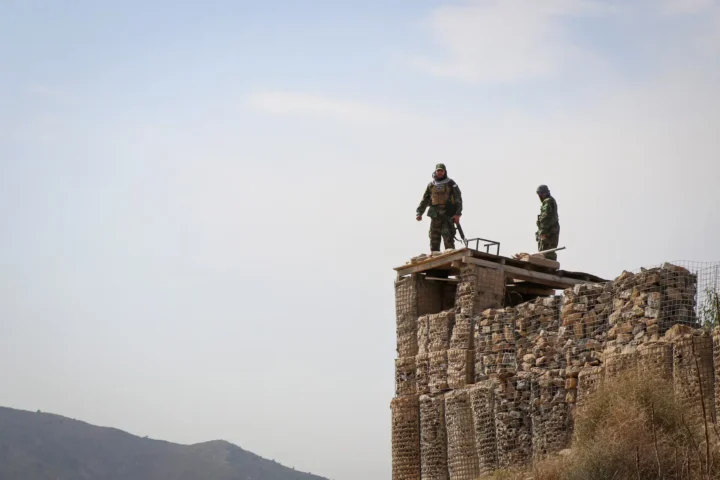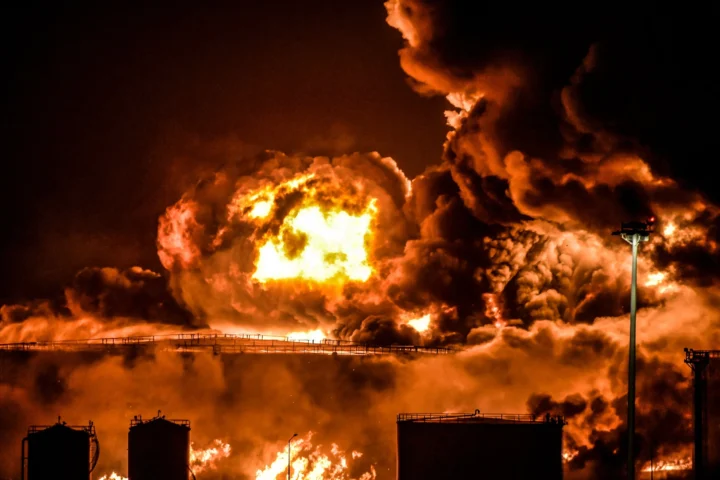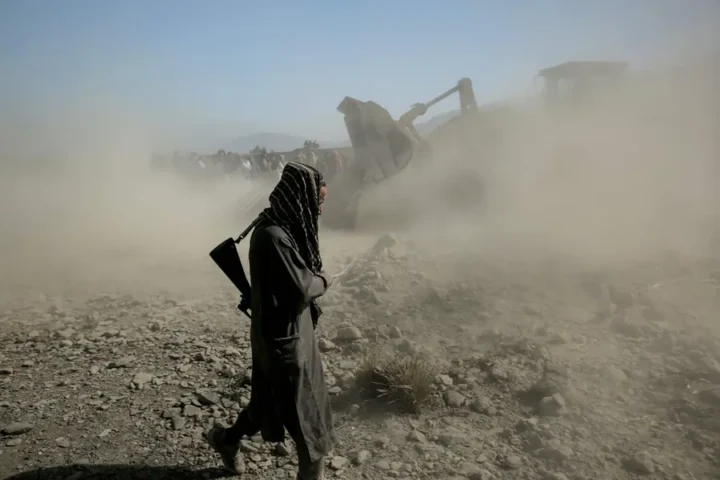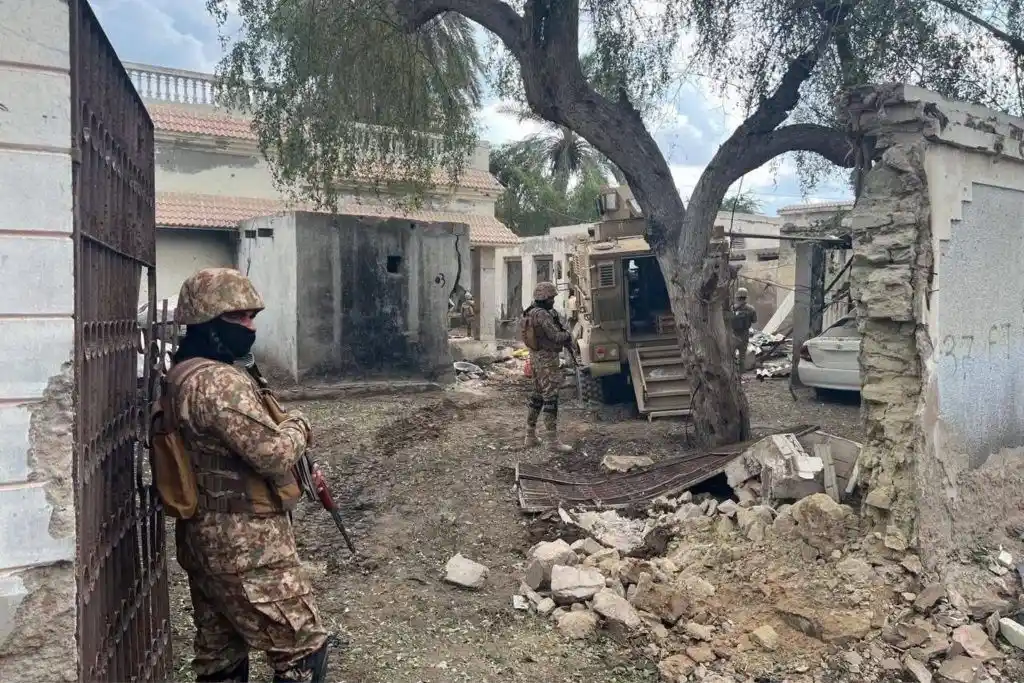
The recent coordinated attacks by the Baloch Liberation Army (BLA) on January 31, 2026, dubbed “Operation Herof Phase 2.0,” represent a stark escalation in Pakistan’s long-simmering conflict in Balochistan. The BLA claimed strikes across 14 cities and 48 sites, including Quetta, Gwadar, and resource-rich areas like Chagai, resulting in significant casualties on both sides, though figures remain disputed, with Pakistani authorities reporting dozens of militants killed and the BLA asserting heavy losses among security forces. Videos of BLA leader Bashir Zaib on a motorcycle in the Kharan-Chagai region symbolically asserted control over territories tied to major projects like Reko Diq, sending a pointed warning to the Pakistani state and foreign investors.
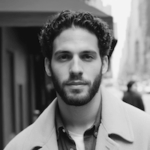
The leader of the banned Baloch Liberation Army (BLA), Bashir Zaib, a student turned militant, appears in a video sitting on the back of a Honda motorcycle in a remote mountainous area, though the exact location is unclear.
— Kiyya Baloch (@KiyyaBaloch) January 31, 2026
In the video, BLA leader says the group has launched… https://t.co/yV4O8n9Yva
Yet this surge in armed resistance did not emerge in a vacuum. It is the bitter fruit of decades of systemic abuse, marginalization, and state repression inflicted upon the Baloch people by successive Pakistani governments. Far from isolated militancy, the violence reflects a profound failure of governance, one rooted in exploitation, enforced disappearances, extrajudicial killings, and the suppression of peaceful dissent, that has radicalized generations and eroded any faith in dialogue or justice.
Balochistan, Pakistan’s largest province by land area but among its poorest and least developed, possesses vast mineral wealth, including gold, copper, and natural gas. Projects like Reko Diq and Saindak promise billions in revenue, yet locals see little benefit. Resources are extracted with minimal community input or profit-sharing, fueling resentment that the province serves as a colonial outpost for Islamabad and foreign capital. This economic disenfranchisement is compounded by heavy militarization, where security forces prioritize protecting investments over protecting people.
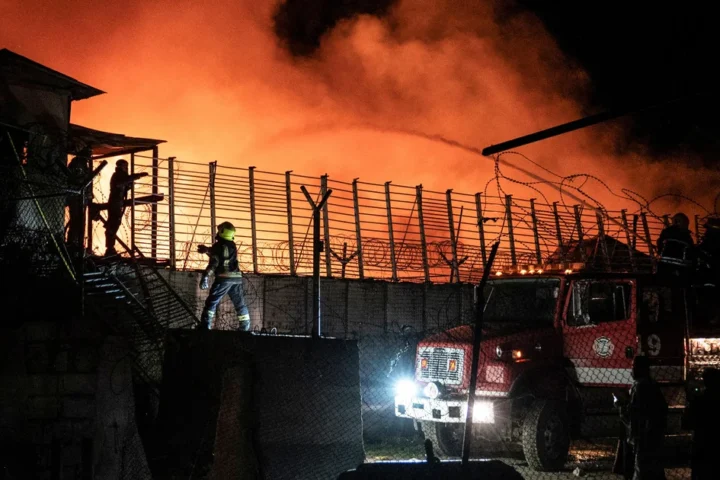
Latest visuals from Gwadar as explosions continue to rock the highly militarised port city. BLA had earlier said its fighters are engaging Pakistani forces in the city as part of its operation Herof. pic.twitter.com/qDQQacbWai
— The Balochistan Post – English (@TBPEnglish) January 31, 2026
The core grievance driving the insurgency remains the policy of enforced disappearances, a grave international crime under which thousands have vanished since the early 2000s. Pakistan’s Commission of Inquiry on Enforced Disappearances has recorded thousands of cases, but accountability is nonexistent. Human Rights Watch and Amnesty International have documented how security forces abduct activists, students, journalists, and ordinary citizens, often torturing or executing them extrajudicially. Bodies are dumped with signs of torture, a practice derisively called “kill and dump.” UN experts in 2025 condemned the “unrelenting use” of such disappearances in Balochistan, urging independent investigations and criminalization of the practice, calls repeatedly ignored.
🇵🇰 Alarming reports of the continued disappearance of Baloch students in Balochistan and across Pakistan speak to a pattern of targeting students of Baloch origin.
— Amnesty International South Asia, Regional Office (@amnestysasia) June 8, 2025
Mahjabeen Baloch, a student at the University of Balochistan, has been missing since 29 May 2025. Earlier on 24…
Recent years have seen escalation. In 2020, the killing of student Hayat Baloch by paramilitary forces sparked outrage. The 2023 Haq Do Tehreek protests in Gwadar against exploitation and rights abuses met brutal crackdowns, including internet shutdowns. The 2024 elections, widely viewed as rigged, further alienated the population. Peaceful activism has been criminalized: Dr. Mahrang Baloch, a prominent leader of the Baloch Yakjehti Committee (BYC), was arrested in March 2025 during protests against violence and disappearances. She faced multiple charges under anti-terrorism laws and remains detained, with reports of mistreatment in custody. Her case, along with others, exemplifies how the state silences voices demanding accountability, pushing more toward armed struggle, including unprecedented female participation in combat during Herof Phase 2.0.
Enforced disappearances in Balochistan have sharply increased, creating a human rights crisis that is tearing families apart.
— Mahrang Baloch (@MahrangBaloch_) December 28, 2025
Baloch women are being taken from their homes without warrants, charges, or any legal process. Their families and children are left behind—waiting,…
This pattern is not mere counterinsurgency gone awry; it is a deliberate strategy of repression. Expanded powers for the Counter Terrorism Department have led to accusations of routine abuses. Laws like the 2025 Anti-Terrorism (Balochistan Amendment) Act enable prolonged preventive detention without trial, risking further disappearances and torture. Interior Minister Mohsin Naqvi’s 2024 dismissal of Baloch armed groups as manageable by a local police officer (“SHO”) revealed a dangerous underestimation, or willful denial, of the crisis.
The consequences are devastating. Families live in perpetual anguish, searching for loved ones with no answers. Youth, seeing peaceful protest met with bullets and imprisonment, turn to militancy. The BLA’s growing sophistication, media savvy, and recruitment, including women, stem directly from this despair. Operation Herof draws poetic inspiration from Baloch literature, framing resistance as a “black storm” against oppression.
Until the state chooses justice over repression, cycles of violence will persist. Balochistan’s people deserve dignity, not disappearances; development that benefits them, not exploitation; and a voice, not silence. The “black storm” will rage until grievances are met with reform, not force. Only then can peace, not conquest, prevail in this tormented land.
Until the state chooses justice over repression, cycles of violence will persist. Balochistan’s people deserve dignity, not disappearances; development that benefits them, not exploitation; and a voice, not silence. The “black storm” will rage until grievances are met with reform, not force. Only then can peace, not conquest, prevail in this tormented land.
Until the state chooses justice over repression, cycles of violence will persist. Balochistan’s people deserve dignity, not disappearances; development that benefits them, not exploitation; and a voice, not silence. The “black storm” will rage until grievances are met with reform, not force. Only then can peace, not conquest, prevail in this tormented land.
References and Further Reading
Human Rights Watch. (2024, July 31). Pakistan: Respect rights in response to Balochistan march. https://www.hrw.org/news/2024/07/31/pakistan-respect-rights-response-balochistan-march
Human Rights Watch. (2025). World report 2025: Pakistan. https://www.hrw.org/world-report/2025/country-chapters/pakistan
Amnesty International. (n.d.). Human rights in Pakistan. https://www.amnesty.org/en/location/asia-and-the-pacific/south-asia/pakistan/report-pakistan/
Al Jazeera. (2024, August 26). What’s behind Pakistan’s deadly Balochistan attacks, which left 74 dead? https://www.aljazeera.com/news/2024/8/26/whats-behind-pakistans-deadly-balochistan-attacks-which-left-43-dead
BBC News. (2024, February 2). Pakistan: Marching for the thousands who disappeared in Balochistan. https://www.bbc.com/news/world-asia-68125590
The Guardian. (2024, April 23). ‘I only protest. I want to go to school’: The childhoods lost in Pakistan when loved ones are ‘disappeared’. https://www.theguardian.com/global-development/2024/apr/23/i-only-protest-i-want-to-go-to-school-the-childhoods-lost-in-pakistan-when-loved-ones-are-disappeared
The Guardian. (2025, March 24). ‘He only wanted revenge’: The bloody insurgency in Balochistan gaining lethal momentum. https://www.theguardian.com/world/2025/mar/24/he-only-wanted-revenge-the-bloody-insurgency-in-balochistan-gaining-lethal-momentum
United Nations Office of the High Commissioner for Human Rights. (2025, March 26). Pakistan: UN experts demand release of Baloch human rights defenders, and an end to crackdown on peaceful protest. https://www.ohchr.org/en/press-releases/2025/03/pakistan-un-experts-demand-release-baloch-human-rights-defenders-and-end
Reuters. (2026, January 31). Pakistan says 67 militants killed after coordinated attacks in Balochistan. https://www.reuters.com/world/asia-pacific/pakistan-says-67-militants-killed-after-coordinated-attacks-balochistan-2026-01-31
Al Jazeera. (2026, January 31). Suspected separatists kill 8 Pakistani policemen in ‘coordinated’ attacks. https://www.aljazeera.com/news/2026/1/31/suspected-separatists-kill-8-pakistani-policemen-in-coordinated-attacks
The Guardian. (2026, February 1). More than 120 dead after multiple suicide and gun attacks in Pakistan, officials say. https://www.theguardian.com/world/2026/feb/01/dozens-killed-multiple-attacks-pakistan