The Swiss government has dropped a quiet bombshell: no new licenses for weapons exports to the United States. The reason was as blunt as it was consistent with Bern’s centuries-old playbook. “The export of war materiel to countries involved in the international armed conflict with Iran cannot be authorised for the duration of the conflict,” the Federal Council stated. Existing licenses remain under review, but fresh deals are off the table. This isn’t a slap at Washington out of spite. It’s the logical, if inconvenient, application of Switzerland’s strict neutrality laws at a moment when the Middle East is once again on fire.
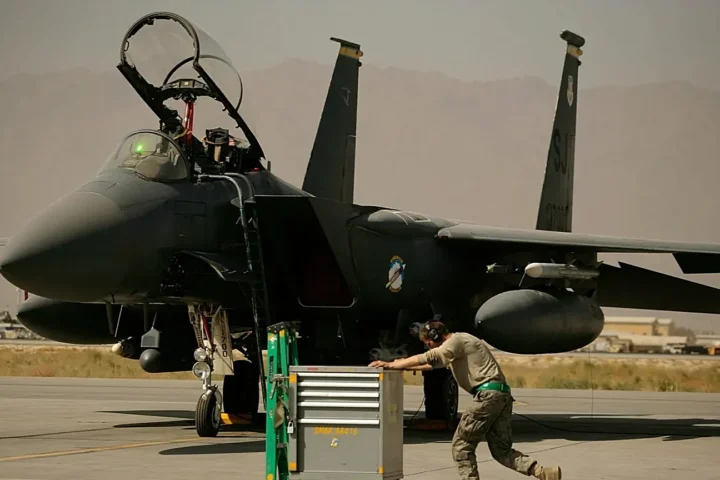
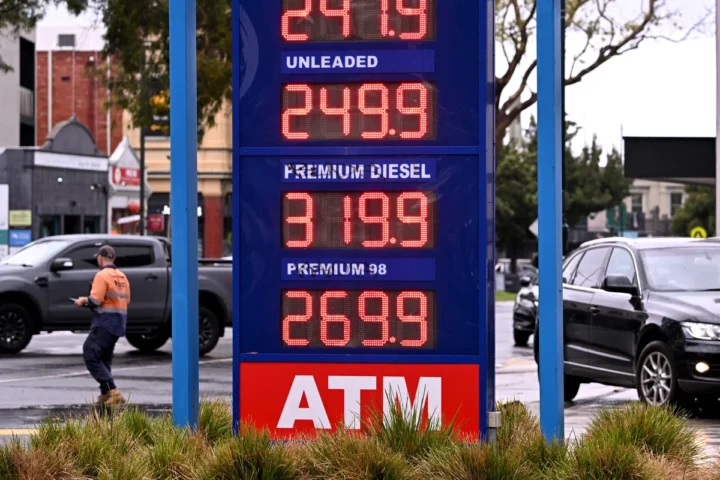
The trigger is straightforward. On February 28, U.S. and Israeli forces launched Operation Epic Fury—nearly 900 strikes in a single day targeting Iranian nuclear sites, missile batteries, air defenses, and leadership. Supreme Leader Ali Khamenei was killed along with senior commanders and officials. Iran retaliated with missiles and drones across the Gulf, hitting U.S. bases and civilian infrastructure. The war, now in its third week, has already killed more than 2,000, displaced hundreds of thousands, and sent energy prices soaring. Switzerland, bound by the Federal Act on War Material (particularly Article 22a), prohibits arms sales to any party in an “international armed conflict.” The same rule has blocked exports to Israel and Iran for years. Once the U.S. became a direct belligerent, the policy kicked in automatically. No new SIG Sauer pistols or ammunition for American troops or law enforcement. No fresh deals for Swiss components feeding the U.S. defense supply chain.
This is not new territory for Bern. Switzerland has long balanced its image as the world’s banker and humanitarian hub with a lucrative arms industry. In 2025 alone, the U.S. was its second-largest customer after Germany, purchasing military goods worth 94.2 million Swiss francs—roughly $120 million. That figure represents a meaningful slice for Swiss firms like SIG Sauer, whose P320 pistols and rifles are staples for U.S. military and police. Yet the government has shown it will enforce the law even against its closest partners. It has also denied recent U.S. requests for military reconnaissance overflights while allowing humanitarian and transport flights. Consistency, it seems, is non-negotiable.
The immediate consequences are more symbolic than seismic, but they ripple outward. For the United States, the impact is manageable. America produces the overwhelming bulk of its own weaponry; $120 million in Swiss small arms and parts is a rounding error in a defense budget exceeding $800 billion. SIG Sauer, with its dual Swiss-German footprint, can likely reroute production or tap U.S. facilities to fill gaps. Law enforcement contracts might see minor delays, but no frontline units will be disarmed. Still, the optics sting. At a time when Washington is engaged in a high-stakes campaign against a regime that has threatened nuclear escalation and regional chaos, a longtime friend is effectively saying: “You fight; we stay neutral.”
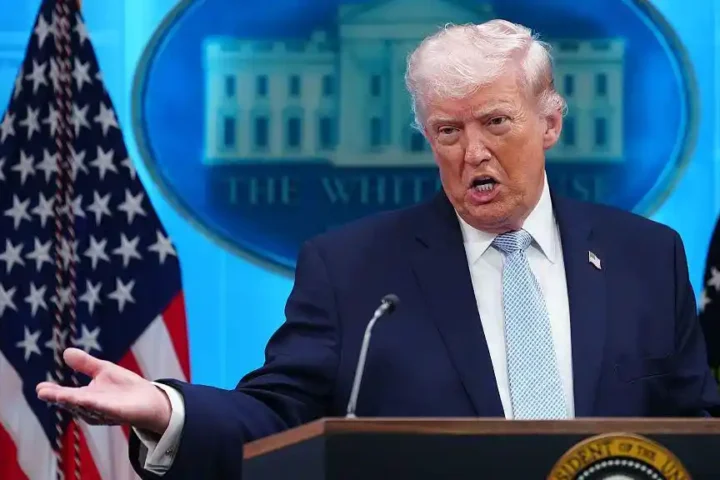
For Switzerland, the costs cut deeper. The arms sector employs thousands and contributes to high-tech exports. Industry group Swissmem has called the decision “premature,” warning of lost revenue and supply-chain disruptions at a moment when European demand for defense goods is rising. Left-wing parties applaud the move as moral clarity; conservatives grumble that rigid neutrality harms jobs without altering the conflict’s course. Diplomatically, the decision tests relations with Washington, even as Switzerland continues to represent U.S. interests in Tehran and host sensitive talks. President Trump has yet to comment publicly, but the subtext is clear: allies expect solidarity, not selective abstinence.
Broader repercussions are more profound. This episode exposes the tension at the heart of modern neutrality. Switzerland’s policy was forged in the Napoleonic era and hardened by two world wars. It served the country brilliantly in the 20th century, allowing it to trade with all sides while avoiding entanglement. Today, however, conflicts blur lines. Cyberattacks, proxy militias, and instant global supply chains make “armed conflict” harder to define. By treating the U.S. the same as Iran, Bern signals that neutrality is absolute—yet critics rightly note that Switzerland still sells arms to other NATO members not currently shooting. The policy feels principled until it collides with reality: a nuclear-armed theocracy threatening the world order versus a democracy responding to existential threats.
Economically, the ban may accelerate trends already underway. Swiss firms have quietly expanded production abroad to skirt domestic restrictions. SIG Sauer’s German operations could absorb more U.S. business. Politically, the decision may fuel domestic debate about loosening export rules—something the industry has long pushed. Globally, it sets a precedent. Other self-proclaimed neutrals or fence-sitters may feel emboldened to withhold support from Western partners. At the same time, it underscores America’s strategic independence: when your suppliers can turn off the tap over legal technicalities, you double down on domestic manufacturing and friend-shoring.
Ultimately, Switzerland’s move is admirable in its consistency. In an age of performative virtue and selective outrage, few nations apply their principles so evenly. Yet consistency can border on rigidity. The Iran war is not a symmetric clash between equals; it is a confrontation with a regime that has sponsored terrorism, pursued nuclear weapons in defiance of international norms, and destabilized the region for decades. By withholding even small-arms components, Switzerland does not shorten the conflict or save lives—it simply removes itself from the chessboard while others bear the costs.
Neutrality has its place. It has kept Switzerland prosperous and peaceful for generations. But in a world where threats like Iran’s nuclear program cross borders instantly, absolute neutrality risks becoming moral abdication. Bern’s decision forces a larger conversation: Can a small nation cling to 19th-century rules while 21st-century conflicts demand uncomfortable choices? The answer may determine whether Swiss neutrality remains a badge of honor or an increasingly expensive anachronism.