Confrontational politics, characterized by aggressive rhetoric, zero-sum approaches, personal attacks, threats of violence, and a refusal to compromise, has become a defining feature of modern governance and public discourse. Far from a temporary phase, it appears deeply entrenched and likely to persist, driven by deepening polarization, social media amplification, populist leadership styles, and structural incentives that reward extremism over moderation.
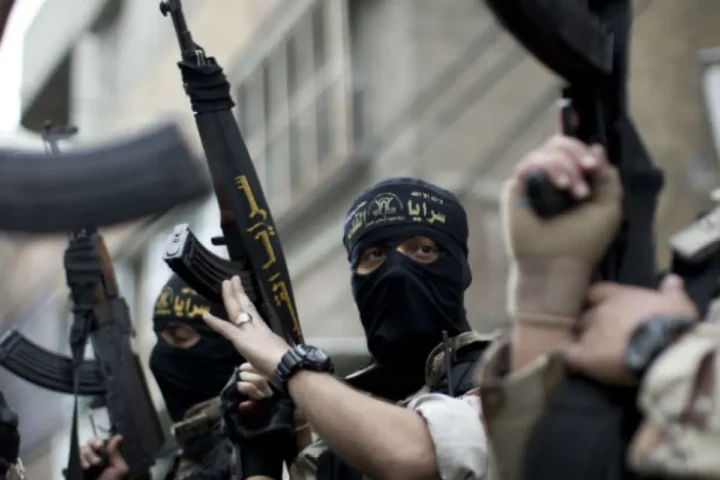
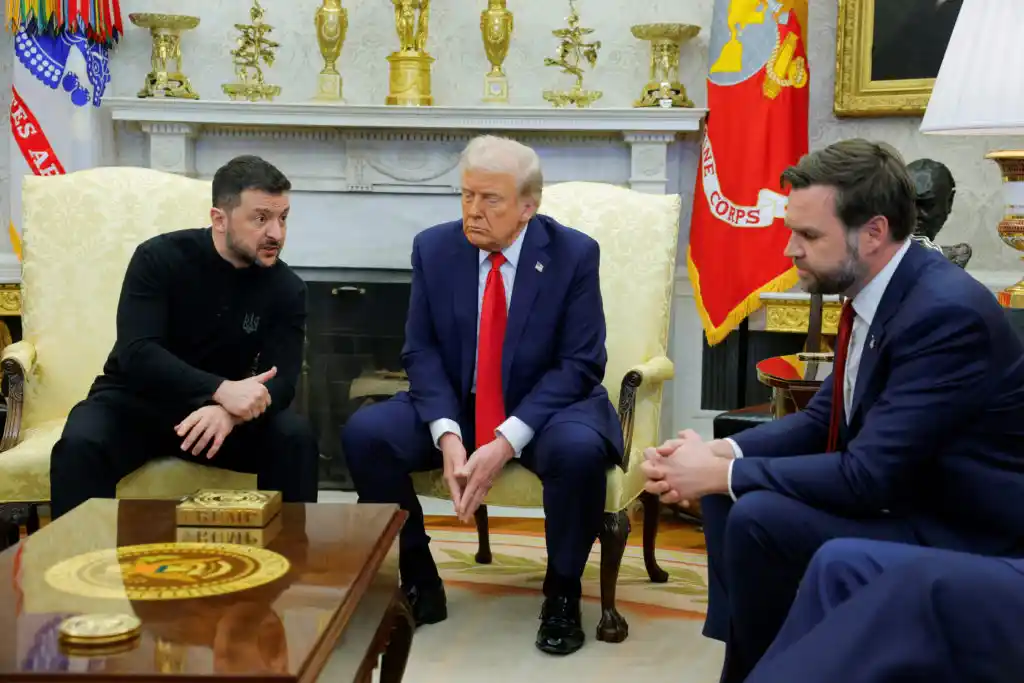
Recent years, particularly 2024 and 2025, provide stark evidence of this trend. In the United States, the return of Donald Trump to the presidency in 2025 intensified domestic and international confrontations. Threats against members of Congress surged dramatically in 2025, amid incidents including attempted assassinations of Trump, the killing of Minnesota House Speaker Melissa Hortman and her husband, and an attack where Rep. Ilhan Omar was sprayed with an unknown substance at a town hall. These events reflect a broader era of violent populism, where political opponents are increasingly viewed as existential threats.
Protests turned confrontational, such as at an ICE family detention center in South Texas, where demonstrators clashed over demands to release detainees. Immigration enforcement sparked widespread backlash, including cultural revolts in business, sports, and entertainment against mass deportation policies. Federalism clashes escalated, with states like Maine defying executive orders on issues like transgender athletes in sports, leading to threats of withheld federal funding. Pardons for January 6 participants on inauguration day further emboldened extremist groups, while left-wing violence reportedly outpaced far-right incidents in 2025 for the first time in decades, fueled by opposition to the administration.
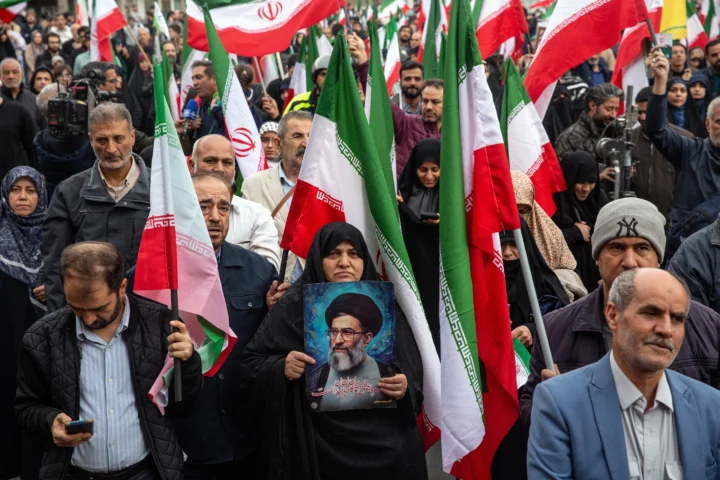
Internationally, confrontational dynamics played out vividly in the Middle East. Escalation between Israel and Iran shifted from proxy conflicts to direct strikes in 2024-2025, including Israel’s attacks on Iranian nuclear facilities and U.S. intervention with bunker-buster bombs on sites like Fordow, Natanz, and Isfahan. Iran retaliated against U.S. forces, though a fragile ceasefire held. These actions marked unprecedented direct U.S. involvement in striking another nation’s nuclear program, highlighting a willingness to bypass diplomacy for forceful confrontation.
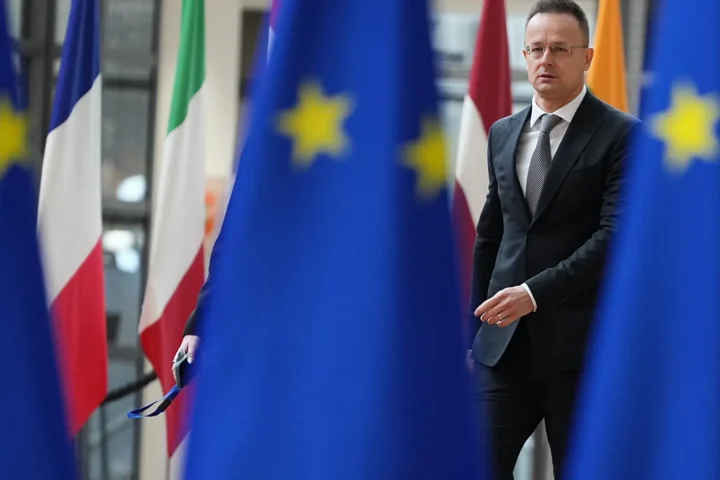
In other regions, political crises underscored the trend. South Korea’s 2024 martial law declaration by President Yoon Suk Yeol triggered a major crisis, while Venezuela faced U.S. military escalation leading to Maduro’s capture amid strikes and blockades. Globally, reports like the Council on Foreign Relations’ “Conflicts to Watch” series and the International Crisis Group’s 2025 list highlighted how Trump’s return added unpredictability, with risks of intensified great-power tensions and weakened multilateralism.
These examples illustrate why confrontational politics endures. Structural factors play a key role: affective polarization, where divisions transcend policy to become emotional and identity-based, creates “us vs. them” mentalities. Social media and algorithmic amplification reward outrage, enabling rapid mobilization of extremes while marginalizing moderates. Populist leaders thrive by framing politics as existential battles, leveraging voter discontent with traditional systems amid economic inequality, inflation, and geopolitical instability.
In the U.S., surveys show majorities predicting ongoing political conflict in 2025, with partisan gaps widening on issues like foreign policy. Globally, rising populism and far-right movements signal discontent, as seen in fragmented landscapes where cooperation erodes. Elite polarization, where politicians and media amplify divisions, combines with public “learned divisiveness”—an assumption that disagreement is insurmountable.
The incentives are self-reinforcing: confrontation mobilizes bases, generates media attention, and punishes compromise as weakness. Institutions strain under transactional approaches, as in U.S. federal-state clashes or eroded multilateralism. While some hope for depolarization through dialogue or reforms, trends point to persistence: vigilante violence risks rising, anti-immigrant rhetoric emboldens private actions, and great-power rivalries show little sign of abatement.
Confrontational politics is here to stay because the conditions sustaining it—technological, social, economic, and institutional—are intensifying rather than receding. In an era of uncertainty, aggressive posturing offers perceived certainty and empowerment to leaders and followers alike. Until underlying grievances are addressed and incentives shift toward cooperation, the era of antagonism will dominate, challenging democracies to adapt without fracturing entirely.