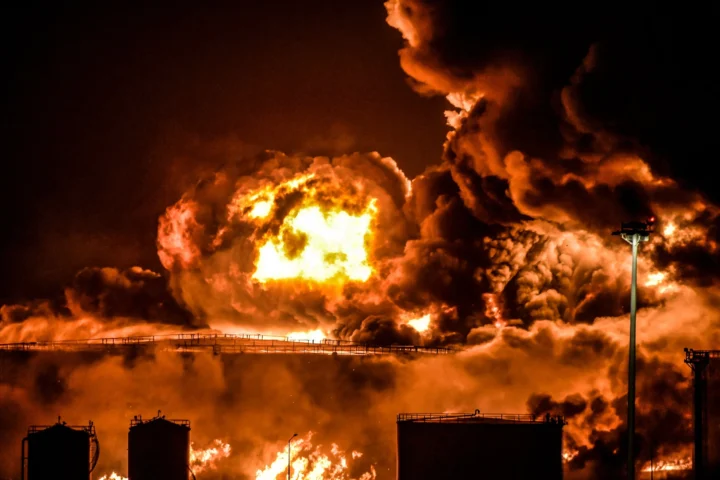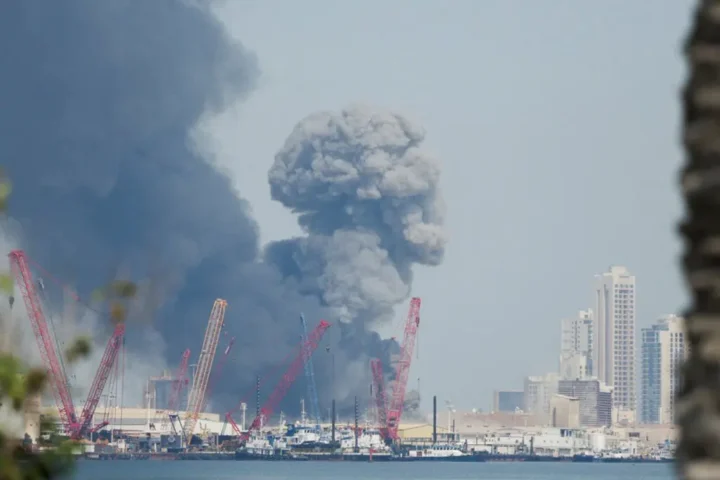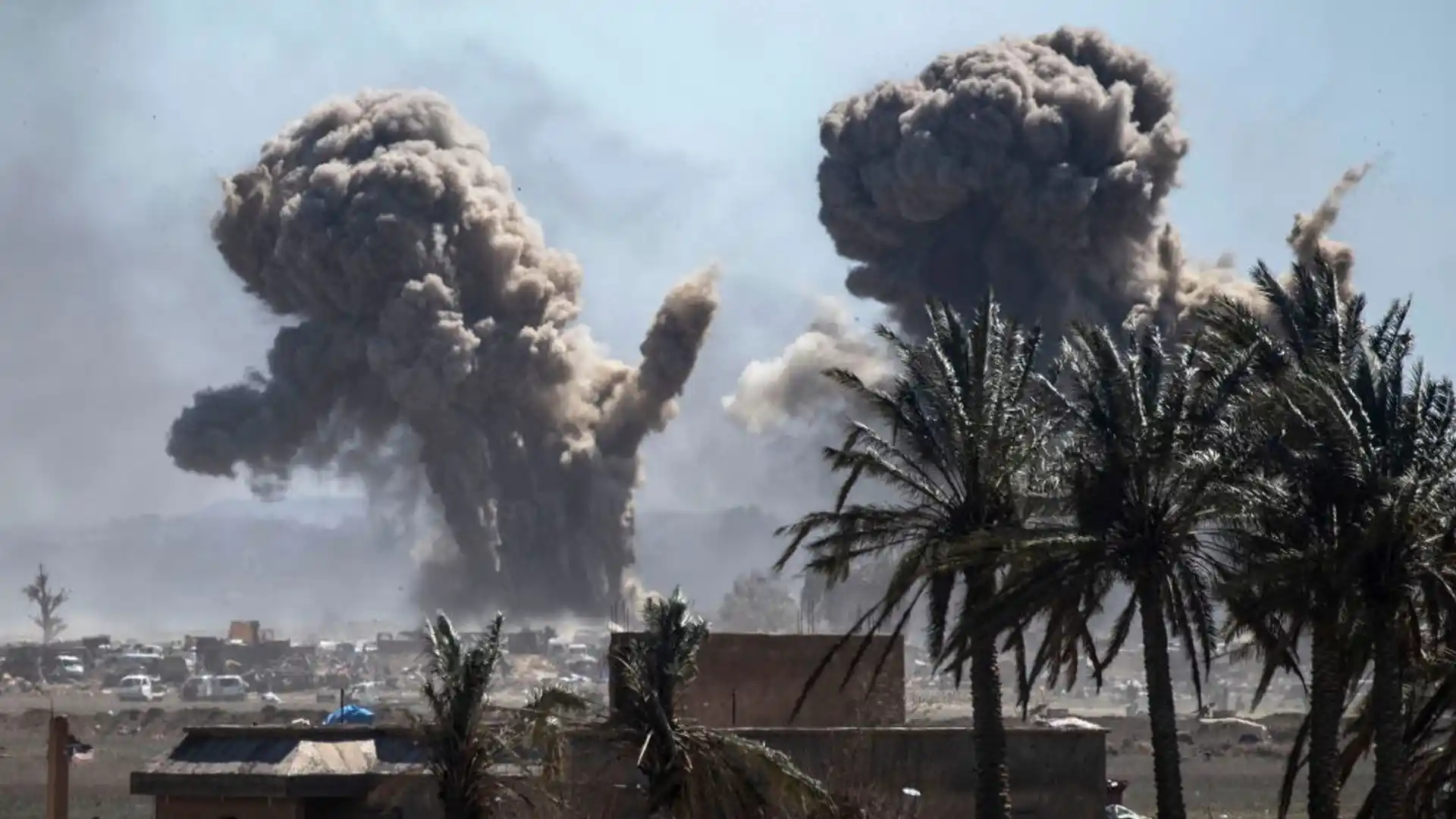
In the scorched badlands of central Syria, where the ghosts of caliphates past still whisper through the ruins of Palmyra, the United States unleashed Operation Hawkeye Strike on December 19, 2025—a barrage of F-15s, A-10s, Apache helicopters, and HIMARS rockets that pulverized over 70 ISIS targets. Two American soldiers and a civilian interpreter lay dead from an ambush a week earlier, gunned down by a lone ISIS sympathizer in that ancient city’s shadow, and President Donald Trump had vowed blood for blood. This was no routine patrol gone wrong; it was the spark that reignited America’s oldest war in the Levant, a retaliatory thunderclap echoing Trump’s promise of “serious retaliation.”
The ambush in Palmyra wasn’t born in isolation. ISIS, that hydra of jihadism, had been reduced to sleeper cells and desert phantoms since its territorial defeat in 2019, but the group’s embers never fully cooled. U.S. Central Command logged 80 anti-ISIS operations since July 2025 alone, detaining 119 militants and killing 14, yet the remnants proved lethally adaptive—lone wolves exploiting the chaos of Syria’s post-Assad transition. Bashar al-Assad’s fall in late 2024, toppled by a rebel coalition led by Ahmed al-Sharaa (once of al-Qaeda’s Syrian offshoot HTS), fragmented the battlefield further. Al-Sharaa’s government, a patchwork of ex-rebels now donning the mantle of statehood, pledged cooperation with the U.S.-led coalition, even hosting joint patrols. But intelligence gaps yawned wide: the attacker, per Syria’s Interior Ministry, was a security force member with ISIS leanings, slipping through the cracks of hasty integrations and tribal loyalties.
Trump’s second term amplified the vulnerability. Eager to normalize ties—evidenced by his June 2025 executive order lifting most Syria sanctions to foster reconstruction and counter Iranian influence—the administration prioritized diplomacy over endless occupation. About 1,000 U.S. troops lingered, focused on preventing ISIS resurgence and securing detention camps in Kurdish-held northeast Syria. Yet this lighter footprint, coupled with al-Sharaa’s teething regime, created blind spots. ISIS propaganda, undimmed online, radicalized locals amid economic despair and power vacuums. The Palmyra hit—three dead, three wounded—exposed these fissures, prompting Trump’s Truth Social fulminations and Defense Secretary Pete Hegseth’s vow: “This is not the beginning of a war—it is a declaration of vengeance.”
Geopolitics sharpened the blade. Russia’s shadow loomed, though diminished post-Ukraine; Iran’s proxies simmered; and Turkey eyed Kurdish forces warily. Al-Sharaa, “very angry and upset” per Trump, greenlit the strikes, signaling a fragile U.S.-Syrian entente against their mutual ISIS foe. But why now, so massively? Beyond vengeance, it reasserted deterrence in a Middle East where adversaries—from Houthis to Hezbollah—tested Trump’s “America First” resolve. Jordanian jets joined the fray, a nod to shared stakes. In essence, Palmyra crystallized ISIS’s opportunism in Syria’s rebirth pains, goading a president who equates restraint with weakness.
Trump’s Calculus: Retribution as Reset
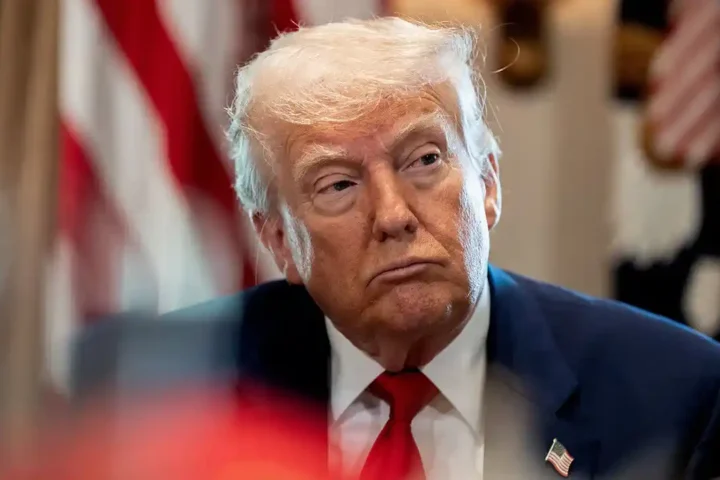
Donald Trump’s response was turbocharged by swagger. “Inflicting very serious retaliation, just as I promised,” he posted, framing Hawkeye as justice unbound. Hegseth’s rhetoric—”we hunted and we killed our enemies. Lots of them”—echoed the boss’s playbook: overwhelming force to crush threats, then pivot to deals. This wasn’t Obama’s surgical scalpel or Biden’s coalition multilateralism; it was Trumpian spectacle, 100 munitions raining on weapons caches and fighter redoubts, with Syrian backing to legitimize the blitz.
Critics like Sen. Jack Reed urged sustained strategy over “one-off retaliation,” warning of ISIS’s global radicalization potential via AI-augmented propaganda. Yet Trump’s logic prevails in MAGA circles: hit hard, claim victory, extract concessions. Sanctions relief had bought al-Sharaa’s anti-ISIS zeal and promises on Israeli normalization, Palestinian deportations, and ISIS camp handovers. The strikes reinforce this bargain, signaling U.S. muscle lingers for partners who deliver. Domestically, amid holiday-season grief for fallen troops, it rallies the base against “endless wars” while proving selective fury works.
History whispers precedents. Trump’s first-term caliphate demolition—backing Kurds to retake Raqqa—shrank ISIS territory by 90%, but abrupt withdrawals let cells regroup. Obama’s 2014 air campaign evolved into ground embeds; Biden’s tenure saw steady raids but no decisive endgame. Hawkeye mirrors 2018’s 2,000-bomb barrage after Kkurdish allies’ losses, yet scales bigger amid Syria’s new rulers. Casualty asymmetry—dozens of ISIS dead, per U.S. claims—echoes forever wars’ playbook, where precision yields propaganda fodder for recruits. Syria’s foreign ministry affirmed no ISIS “safe havens,” but rural Deir ez-Zor and Raqqa strikes hint at deeper incursions.
Horizons of Heat and Haste
What follows? Short-term, expect ISIS retaliation—swarms on U.S. patrols, car bombs in SDF zones, or exported plots to the homeland, as in 2015 Paris echoes. Al-Sharaa’s regime, battle-tested but brittle, may tighten purges, but overreach risks alienating Sunnis or reigniting HTS-ISIS fratricide. Trump, per officials, eyes “additional strikes,” potentially escalating to ground hunts if intel sharpens.
Longer view: opportunity amid peril. U.S.-Syrian bonds could solidify, with al-Sharaa assuming ISIS detainees (thousands festering in al-Hol camp), curbing resurgence. Sanctions’ end spurs reconstruction, starving ISIS of recruits via jobs. Yet pitfalls abound: Kurdish tensions could fracture anti-ISIS unity; Iran may probe via militias; Russia, cozying with China, watches for leverage. Trump’s envoy Tom Barrack insists the strategy holds: partner with Damascus, eviscerate ISIS, exit strong.
Broader, Hawkeye tests second-term Trumpism. Will vengeance yield enduring defeat, or cyclic raids? Sen. Reed’s plea for “conscious effort” with Syria’s “new government” rings prescient—aggressive ops plus governance aid could stabilize the desert. Failure invites caliphate 2.0, exporting terror anew.
In Palmyra’s timeless arches, where Romans once triumphed and ISIS beheaded, America’s vengeance strikes cut deep but not final. Syria’s sands demand more than bombs: cunning alliances, relentless pressure, and a post-Trump vision beyond retribution. The jihadists’ ghosts endure; so must the hunt.