The latest offer from Washington to Kyiv — binding security guarantees “similar to those of NATO” — marks the Trump administration’s boldest intervention yet in the grinding war between Ukraine and Russia. But behind the headline of an “Article 5-like” commitment lies a complex strategic wager: a blend of coercive diplomacy, transactional politics, and a race against time.
The U.S. proposal, as outlined by senior officials, suggests a sweeping shift in Washington’s posture. For months, the Trump White House had been accused of strategic ambivalence toward Ukraine’s pleas for Western protection. By offering legal and material guarantees — including congressional ratification to outlive Trump’s presidency — the administration is attempting to remove the primary obstacle to a peace deal: Kyiv’s fear of Russian resurgence once battlefield attention fades.
Yet this magnanimity comes with an unmistakable ultimatum. As one senior official put it, “those guarantees will not be on the table forever.” It’s a high-pressure tactic aimed squarely at President Volodymyr Zelenskyy, who has resisted any peace terms that appear to reward Russian aggression or sacrifice sovereign territory. For Trump, whose foreign policy instinct is equal parts dealmaking and disruption, the Berlin talks represent both a test of leverage and a chance to claim diplomatic victory ahead of an election cycle where global crises weigh heavily.
Europe’s cautious optimism
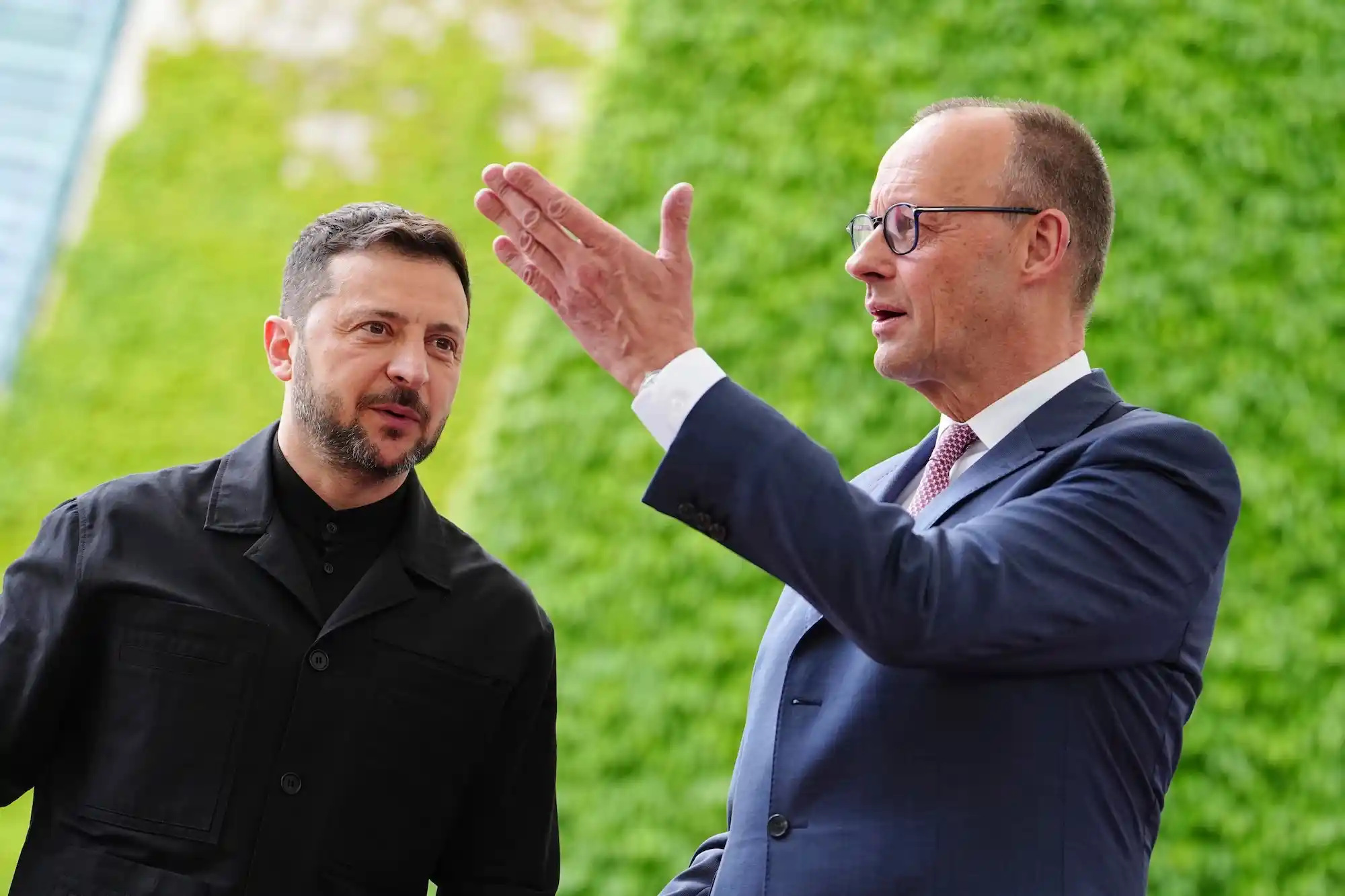
The presence of European leaders — from Berlin to Warsaw — lent legitimacy to the negotiations, but also underlined Europe’s underlying anxiety. German Chancellor Friedrich Merz called the U.S. guarantees “remarkable,” a rare note of optimism after years of discord within NATO. European capitals, long skeptical of Trump’s commitment to collective defense, appear reassured by the promise of a U.S.-supported multinational force to deter future Russian aggression.
Still, there’s a measure of calculated relief rather than trust. Washington’s proposal effectively substitutes NATO membership — which Zelenskyy has now publicly conceded Ukraine will forgo — with direct American and European defense commitments. It’s an arrangement that would give Kyiv a form of de facto security integration with the West, without formally crossing Moscow’s long-declared red line. For Brussels, this could be the least risky path toward peace. For Kyiv, it raises a deeper question: how enforceable are security guarantees that depend on the political lifespan of one U.S. administration?
Moscow’s muted response
The Kremlin’s initial reaction, through spokesperson Dmitry Peskov, was predictably cautious — open to “serious peace,” wary of “tricks.” Behind the diplomatic language, Russia’s calculus remains unchanged. Any “acceptance” of Ukraine’s EU aspirations or partial territorial compromises would only come in exchange for Western recognition of Moscow’s control over the Donbas and other occupied regions. Reports of U.S.-brokered proposals such as joint control of the Zaporizhzhia nuclear plant suggest creative diplomacy at work, but Moscow has shown little appetite for negotiations that imply parity with Ukraine.
Trump’s optimism, stating “we’re closer now than we have been ever,” underscores his administration’s belief that coercion and incentives might finally break the diplomatic impasse. Yet the same approach risks reducing Ukraine’s agency in determining its own future — a dynamic eerily reminiscent of 20th-century great-power bargaining.
A fragile architecture of peace
The promise of “Article 5-like” protection, if formalized and ratified, could reshape the European security architecture without enlarging NATO. It is both an innovative and precarious construct. For Ukraine, it offers the possibility of peace without formal NATO accession. For the U.S., it presents a chance to end a costly war and reassert American leadership in Europe — while containing Russia without direct confrontation.
But the durability of such guarantees depends on continuity. Congressional ratification would help bind future administrations, yet political winds in Washington shift unpredictably. Should this arrangement falter, Ukraine may find itself in a dangerous middle ground — beyond Moscow’s sphere, but not fully protected by the West’s shield.
The dealmaker’s dilemma
Trump’s foreign policy ethos has always sought “deals” over doctrines — measurable wins over multilateral gradualism. In Ukraine, that instinct now confronts the realities of a grinding war and a distrustful alliance system. If he succeeds, Trump could claim the rare feat of negotiating an end to Europe’s most devastating conflict since World War II. If he fails, the episode will underscore the limits of transactional diplomacy in a world of existential stakes.
Ukraine’s decision in the coming days will not merely determine the shape of peace — it will reveal whether U.S. power, as wielded today, can still deliver security by persuasion rather than by precedent.