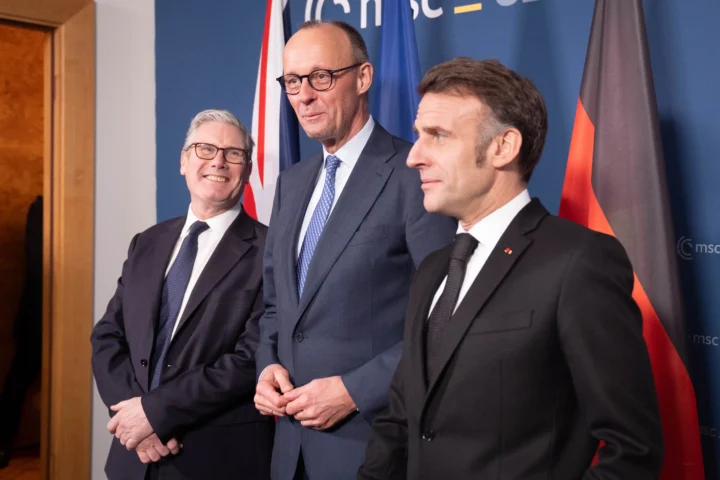
The Turnberry Agreement, named after the Scottish golf resort where it was finalized in July 2025 between U.S. President Donald Trump and European Commission President Ursula von der Leyen, represents a stark moment in transatlantic relations. Far from a triumph of mutual prosperity, it stands as a lopsided concession: the EU committed to slashing tariffs on a range of American industrial goods and agricultural products (notably lobster), while the U.S. capped most tariffs on European exports at 15%, a ceiling that still imposes significant burdens on EU exporters. This framework was sold as a pragmatic step to avert a full-blown trade war, preserving some semblance of stability amid threats of escalation.
Yet recent events have exposed the fragility of such arrangements when built on unilateral executive power rather than enduring legal or institutional foundations. The U.S. Supreme Court’s decision to strike down Trump’s sweeping global tariffs, deemed to exceed presidential authority under the laws invoked, has thrown the agreement’s viability into doubt. In response, Trump promptly announced a new 15% global tariff rate under Section 122 of the 1974 Trade Act, a temporary measure (limited to 150 days without congressional extension) ostensibly to address balance-of-payments issues.
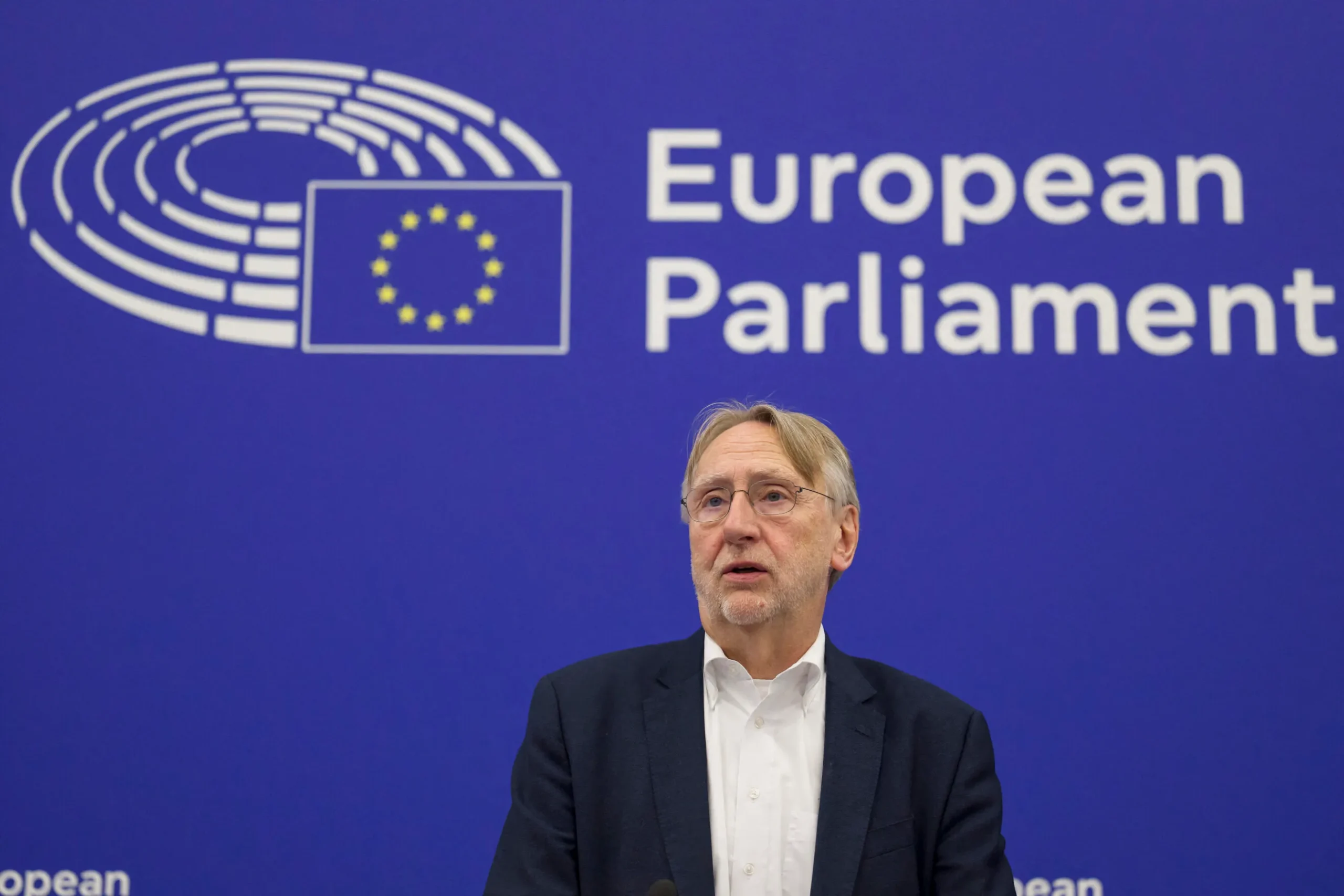
This rapid pivot has prompted calls from key European Parliament figures, including trade committee chair Bernd Lange and Greens MEP Anna Cavazzini, to postpone the scheduled vote on implementing the EU’s side of the deal. Lange aptly described the situation as “pure tariff chaos,” highlighting that the “terms of the Turnberry Agreement and the legal basis on which it was built have changed.” Questions abound: Does invoking Section 122 breach the spirit or letter of the deal? Can the U.S. even reliably commit to its obligations given the Court’s intervention and the administration’s improvisational approach?
This episode reveals deeper truths about what the Turnberry Agreement truly means for the European Union. It underscores the risks of negotiating under coercion, where concessions are extracted not through reciprocal benefit but through threats of punitive tariffs and linkages to unrelated security commitments (such as U.S. support for Ukraine or pressures tied to geopolitical issues like Greenland). The deal was criticized from the outset as an act of submission—French leaders called it out as such, and analysts warned it signaled the erosion of the EU’s common commercial policy. Now, with American trade policy oscillating wildly between invalidated emergencies and short-term statutory fixes, the EU faces the prospect of unilateral concessions without guaranteed reciprocity.
Postponing the parliamentary vote is not mere procedural caution; it is a necessary assertion of sovereignty and self-respect. Rushing to ratify tariff reductions on U.S. goods while the U.S. side remains mired in legal uncertainty and policy volatility would reward unpredictability and invite further exploitation. The EU must demand clarity: a proper legal assessment of the agreement’s status, explicit U.S. commitments to adherence, and assurances that future tariff moves won’t undermine the bargain overnight.
In a broader sense, Turnberry symbolizes the perils of transatlantic asymmetry in the current era. The EU, bound by rules-based multilateralism and internal consensus, cannot match the speed and unilateralism of U.S. executive action. But it can choose not to legitimize instability. By pausing to reassess, the European Parliament would signal that trade deals must rest on mutual trust, legal certainty, and balanced benefits—not on the whims of one administration’s tariff experiments.
The path forward lies in reclaiming agency: conditioning implementation on verifiable U.S. compliance, exploring countermeasures if breached, and pursuing diversified trade partnerships to reduce over-reliance on an erratic partner. Only then can the EU transform this moment of uncertainty from a vulnerability into an opportunity to rebuild transatlantic trade on firmer, fairer ground.