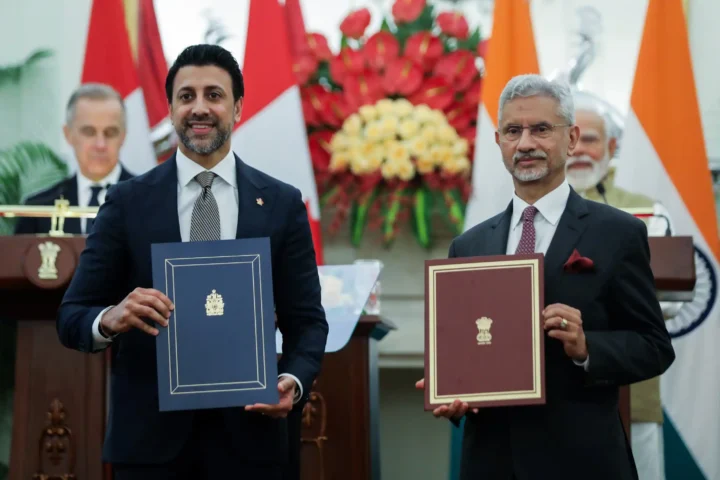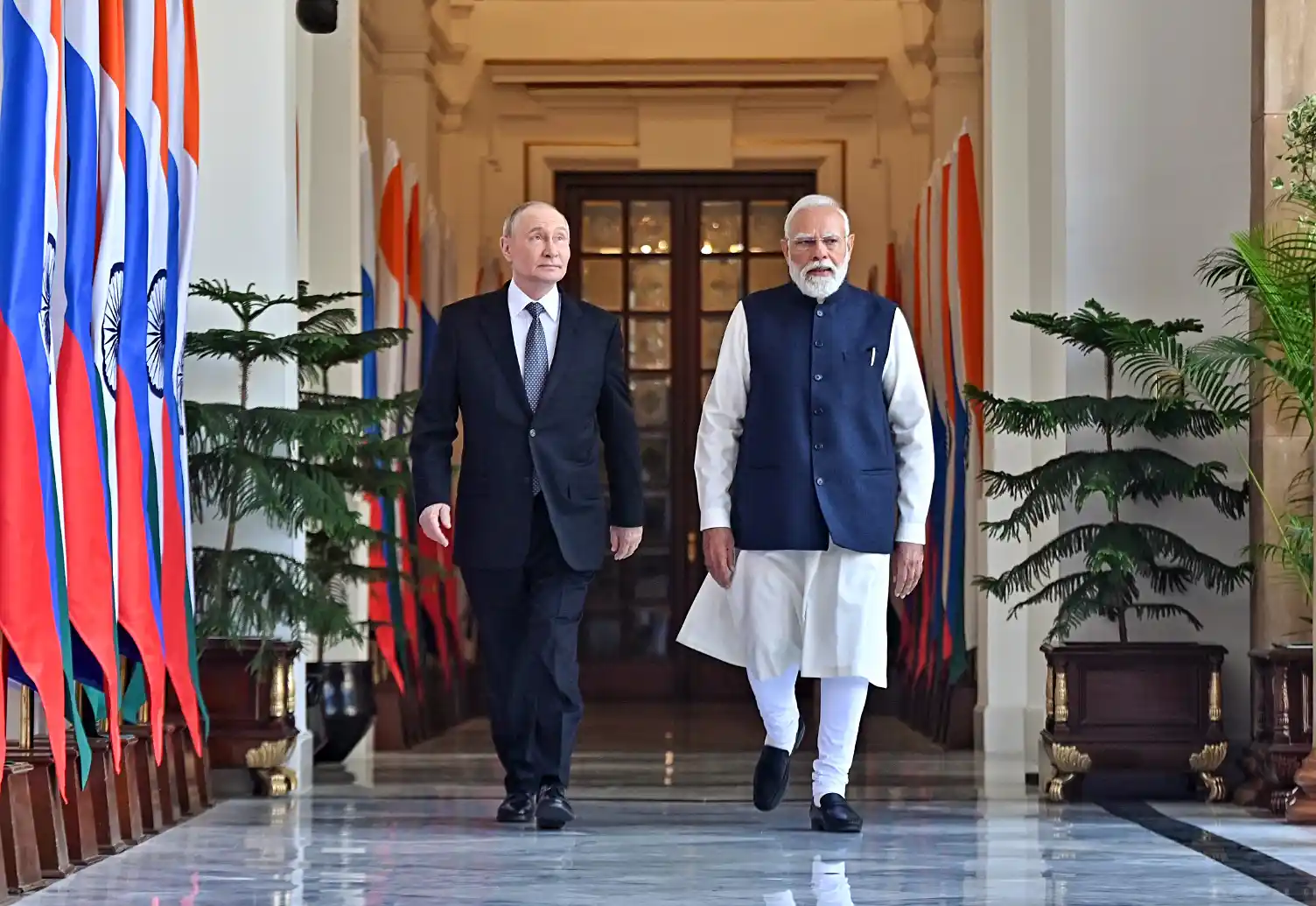
Putin’s state visit to India for the 23rd India‑Russia Annual Summit comes at a moment when three strategic pressures converge on New Delhi: Western sanctions on Moscow, sharpening US–China rivalry in the Indo-Pacific, and a fragile India–US trade and technology compact. By choosing to host Putin with full ceremonial honours – Rajghat, Rashtrapati Bhavan, and a dense schedule of delegation‑level talks – India signalled that Russia remains a first‑tier partner, not an embarrassing legacy relationship to be quietly retired under Western pressure.
This symbolism matters because it pushes back against the assumption in many Western capitals that India will eventually “graduate” into a quasi‑ally that aligns on sanctions, secondary sanctions and coalition warfare. Instead, New Delhi is advertising a different model: a pivotal democracy that cooperates deeply with the US while retaining decisive room for manoeuvre with Russia and the Global South.
Defence interdependence that cannot be unwound fast
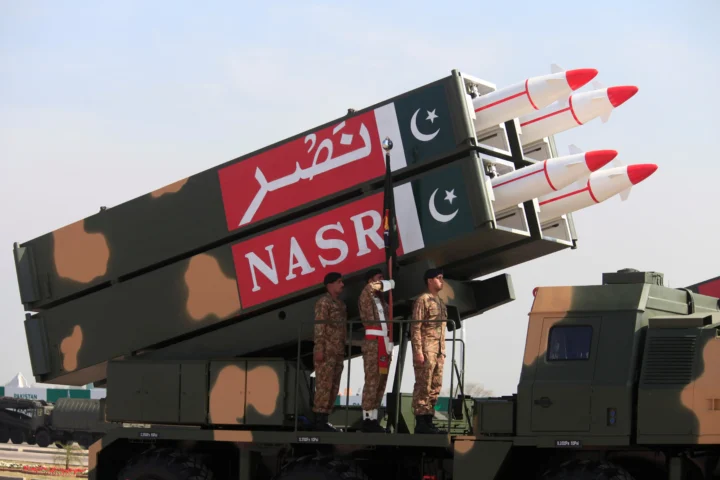
The summit’s communiqués on defence make clear that India is not about to downgrade Russian military ties simply to ease discomfort in Washington. India still sources roughly two‑thirds of its major platforms from Russia, and Moscow continues to deliver S‑400 air defence systems that anchor the upper tier of India’s air and missile shield against both China and Pakistan.
Rather than a simple buyer–seller relationship, the 2025 agenda tilts toward co‑development: joint research and development, manufacturing arrangements, maintenance and overhaul hubs, and advanced projects in engines, hypersonics and unmanned systems. This reflects a structural reality that US policymakers often underplay: even as India diversifies towards American, European and Israeli kit, Russian-origin hardware will remain central to its order of battle for at least another decade. Threatening sanctions or punitive measures over that dependence would not “flip” India; it would jeopardise the deterrent posture of the very partner Washington says it needs to balance China.
Energy security: the quiet red line
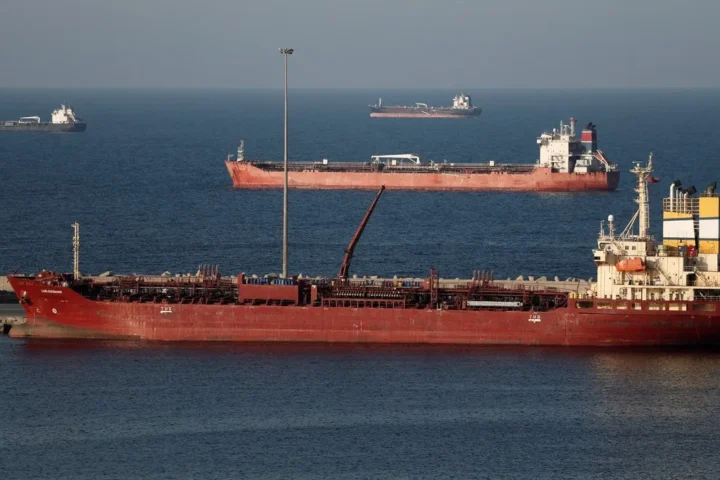
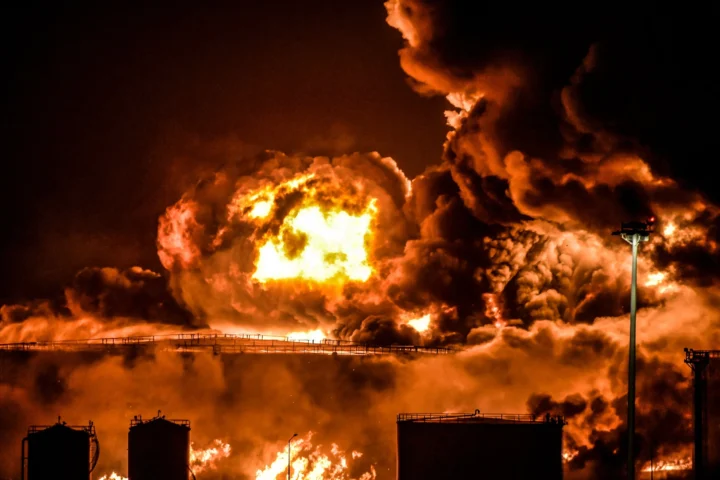
On energy, Putin’s message in Delhi could not have been clearer: Russia intends to remain India’s “uninterrupted” supplier of discounted crude and other fuels, insulated from geopolitical turbulence. Since the Ukraine war, India has turned Russian oil from a diplomatic headache into an economic shock absorber, using cheap barrels to cushion domestic consumers from global price spikes and to manage inflation.
That calculus has not changed despite Western price caps and sanctions regimes; if anything, the summit re‑legitimises these flows by embedding them in a broader strategic narrative of “energy partnership” rather than opportunistic bargain‑hunting. Any serious attempt by the US to choke these imports – whether via secondary sanctions on Indian refiners or financial pressure on shipping and insurance – would be read in New Delhi as an attack on its macroeconomic stability, not just a dispute over Ukraine policy. For a country where fuel prices directly influence political risk at home, this becomes a red line.
A trilateral triangle, not a binary choice
The visit also crystallises an uncomfortable fact for US strategists: India is carefully building a triangular geometry with Russia and the US, not choosing between them. In February, India and the US announced plans for a new ten‑year defence framework, alongside deepening cooperation in critical technologies, supply chains, and infrastructure initiatives like the India‑Middle East‑Europe corridor. Those commitments coexist, deliberately, with India’s “Special and Privileged Strategic Partnership” with Russia, affirmed yet again in the joint statement with Putin.
Instead of treating Russia ties as a test of Indian reliability, Washington needs to read them as part of New Delhi’s hedging strategy against over‑dependence on any single pole of power. India benefits from Russian leverage in Central Asia and legacy defence support, while tapping the US for high‑end semiconductors, aerospace cooperation, and Indo‑Pacific maritime balancing. Pushing India to sever the Russian leg of this triangle will not make it fall into America’s arms; it risks nudging New Delhi back toward a more traditional non‑alignment that dilutes US influence.
Why Washington cannot afford coercion
For the US, the costs of alienating India now would be strategically prohibitive. India anchors the only major non‑Western, non‑Chinese growth story; its market and manufacturing potential are integral to US plans to rewire supply chains away from China. It is also central to US doctrines for the Indo‑Pacific, from the Quad’s maritime security aims to emergent defence industrial cooperation.
Beyond Asia, Washington’s hopes of building connective infrastructure from the Mediterranean to the Indian Ocean – whether through I2U2 or the India‑Middle East‑Europe corridor – depend on Indian buy‑in as a logistical and political hub. A bruising sanctions fight over Russian weapons or oil would not only derail that agenda; it would undercut the broader narrative that the US can work with large, independent democracies without demanding near‑total alignment.
A unique leverage: India’s autonomy as an asset
The unique opportunity for Washington lies in flipping the usual script: instead of seeing Indian autonomy as a bug, treat it as a feature that enhances US strategy. An India that can talk to Moscow while sharing intelligence and technology with Washington is more useful than an India dragged reluctantly into Western coalitions and resented at home for perceived subservience.
This means three course corrections.
- First, accept that legacy Russian platforms and some new cooperative projects will remain in India’s arsenal, and calibrate US export and co‑production plans accordingly rather than tying them to unrealistic “zero Russia” benchmarks.
- Second, narrow sanctions architecture to avoid collateral damage on Indian state entities and refiners that handle Russian energy, allowing New Delhi space to manage its own energy transition timetable.
- Third, invest in areas where the US can outcompete Russia on merit – from jet engines and drones to cyber, space and semiconductor ecosystems – instead of treating every India–Russia deal as a zero‑sum defeat.
The risk of moral grandstanding
There is also a political psychology that the US ignores at its peril. Indian public opinion is sensitive to Western double standards – on nuclear issues, on how strategic partners are treated compared with treaty allies, etc. When US lawmakers threaten CAATSA sanctions over S‑400s while courting other states with similar systems, or lecture India publicly on Russian barrels even as Europe re‑routes its own dependencies, they are seen as hypocritical.
Putin’s visit, with its carefully choreographed optics of equality and respect, plays directly into that sentiment. For many in India’s strategic community, the ability to host the Russian president days after tough conversations with Washington is proof that India has arrived as an autonomous pole, not a junior partner. If the US responds with public rebukes, punitive bills, or conditionality, it will reinforce precisely the suspicion that Russia is only the first of many sovereign choices Washington wants to veto.
From veto power to value proposition
The deeper message of Putin in Delhi is that the era of Western veto power over Indian grand strategy is over. What remains very much in play is whether the US can make itself India’s principal partner of first resort on the issues that matter most in the coming decade: advanced manufacturing, resilient supply chains, maritime security, and the governance of emerging technologies.
That requires a humbler but ultimately more effective approach: fewer threats, more competitive offers; fewer red lines drawn in Washington, more attention to red lines defined in New Delhi. Putin’s visit has made one fact unmistakable: India will not mortgage its relationship with Russia to please the US. For American strategy, the task is not to punish that decision, but to ensure that when New Delhi looks out at a fragmented world, the partnership it sees as most indispensable is still the one with Washington.