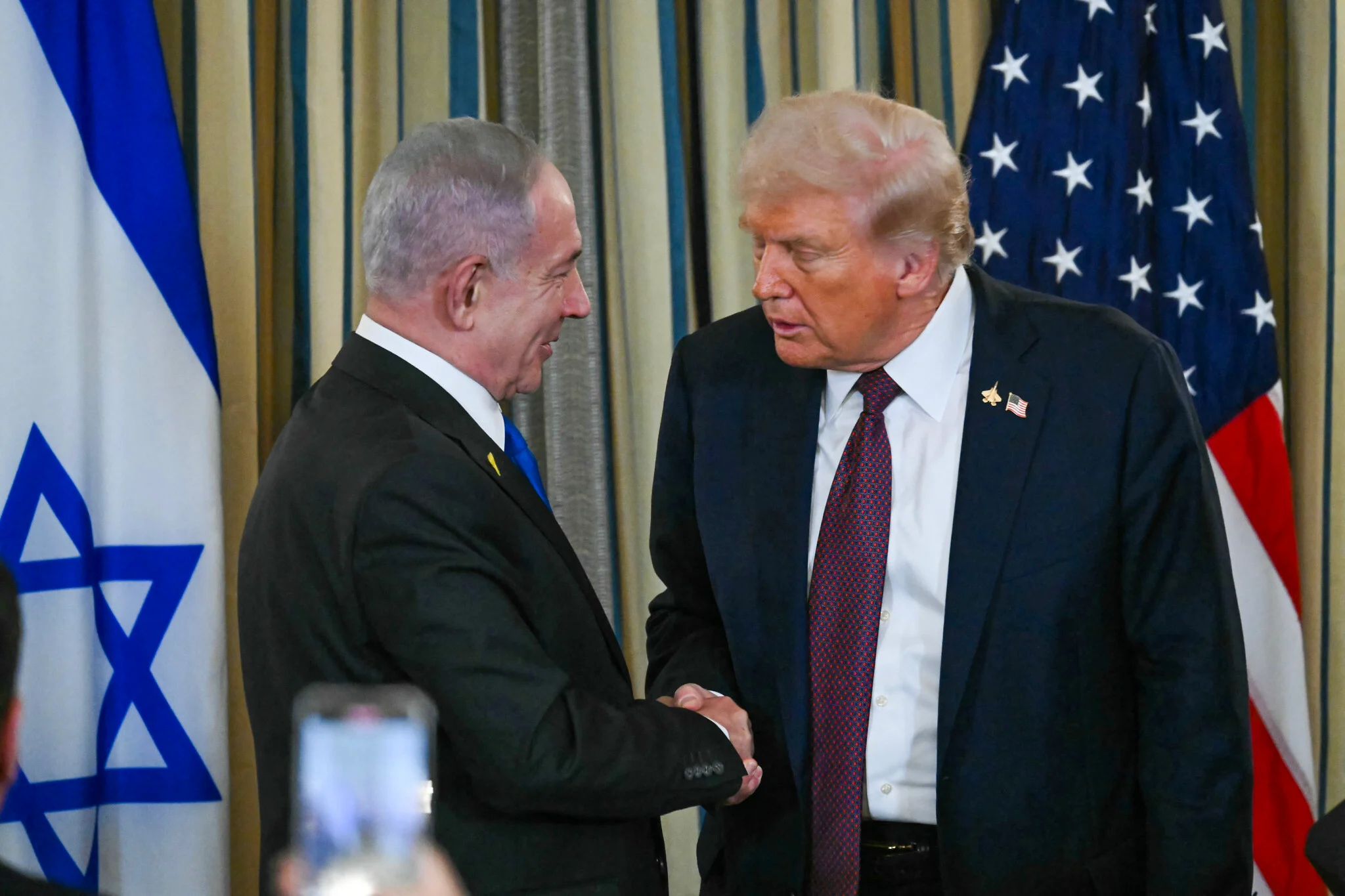
In the evolving landscape of global power, alliances are not merely diplomatic conveniences but true pillars of national security. As the United States faces rising threats from authoritarian regimes, renewed attention is turning to what many defense analysts have long argued: Israel remains one of America’s most indispensable allies.
Recent polling from Pew Research indicates that U.S. attitudes toward Israel, which dipped sharply during the height of Israel’s war against Hamas, have begun to swing back. In early October, 56% of Americans expressed support for Israel — a significant recovery after a period in which online misinformation, graphic wartime imagery and highly coordinated propaganda campaigns depressed that number to historic lows.
Between 2000 and 2019, American sympathy consistently leaned toward Israel, averaging close to 60%. Even before the Hamas attacks of October 7, 2022, that support had softened to the mid-50s, while sympathy for Palestinians rose to 26%. Two years of grueling conflict, devastating images from Gaza and persistent narratives about famine and siege reshaped the discourse, particularly among younger Americans. By mid-2024, U.S. support for Israel had fallen below 40%.
That downward trend alarmed national security experts who argue that the U.S.–Israel relationship cannot be viewed solely through the lens of Middle Eastern politics or religious identity, but rather as a foundational pillar of the Western democratic order.
A Strategic Alliance Tested by War
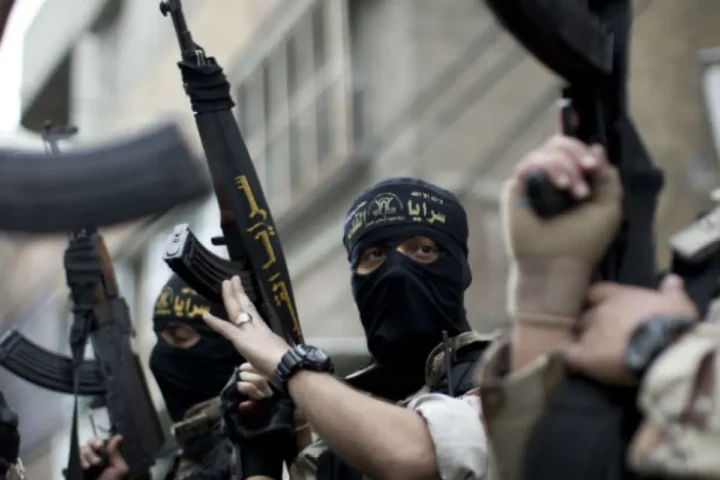
Israel’s 25-month battle against Hamas — following the group’s brutal invasion and massacre — has extended beyond Gaza to multiple security fronts involving Iran-backed militias, Hezbollah and increasing cyber operations. The conflict has unfolded amid a broader contest between democratic nations and an expanding bloc of authoritarian powers led by China, with Russia, Iran, North Korea, Venezuela and Cuba in its orbit.
This shift has left little space for neutrality. The once-prominent non-aligned movement has withered as Beijing asserts itself more openly and Moscow wages war in Europe. Iran continues to pursue regional influence while vowing Israel’s elimination, a campaign pursued through militias, covert operations and economic disruption, including recent maritime hijackings.
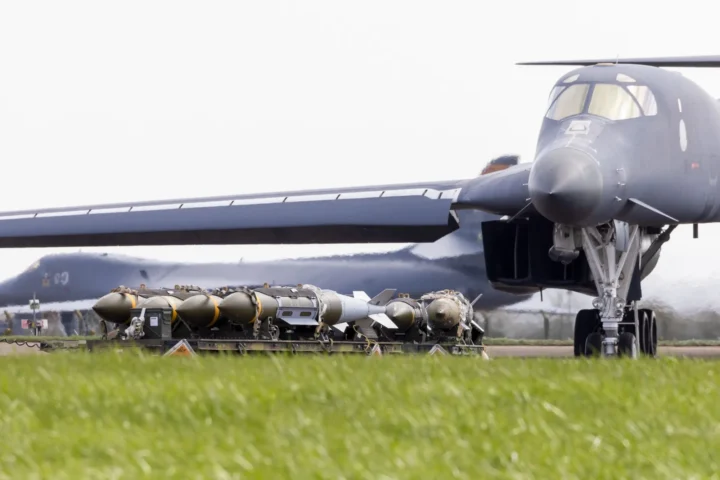
Within this climate, analysts argue, Israel stands not only as a regional military actor but as a strategic superpower — with nuclear capability, global intelligence reach and proven ability to project force. Among U.S. allies, only Israel matches America’s level of intelligence innovation and rapid military development.
The West Beyond Europe
For most of the 20th century, the United Kingdom anchored the Western alliance. Today, the center of gravity appears to be shifting. Europe’s own security remains dependent on Washington as Russian aggression continues. While nations like Poland show renewed resilience, others struggle under economic stagnation and political fracturing.
Meanwhile, America’s Pacific partners — Japan, South Korea, Australia, Taiwan and others — confront growing pressure from Beijing. In this wider competition, Israel’s role extends far beyond the Middle East, functioning as a cutting-edge research and defense hub whose technologies, from Iron Dome missile defense systems to cyber intelligence, have reshaped Western preparedness.
If future conflicts involve waves of hypersonic missiles or drone swarms, as seen in Ukraine and across the Persian Gulf, Israel’s tools and expertise will likely be indispensable to collective security.
Propaganda and the Domestic Battlefield
If artillery and rockets define the war abroad, information has defined the war at home. Social media has become a prolific battleground, flooding American news feeds with manipulated images, unverified casualty claims and simplified narratives that cast Israel’s war solely as occupation rather than self-defense.
The result has been a cultural shift on campuses and in activist circles. “Anti-Zionism,” once a fringe slogan, is now commonplace — and for many Jewish Americans echoes historic antisemitism described by Theodor Herzl, the founder of modern Zionism, who warned that even the most assimilated societies can turn.
Experts caution that this is not only a moral or historical debate, but a geopolitical one. If support for Israel erodes, they argue, so too does the West’s ability to counter the rising alliance of autocracies.
A Rebalanced Perspective
With U.S. public opinion stabilizing, policymakers view the rebound as more than symbolic. Restored confidence could shape aid negotiations, deterrence efforts and the broader diplomatic push to prevent escalation. It could also fortify efforts to secure the region if Israel moves toward a final dismantling of Hamas’ remaining military structure.
As debates continue, one conclusion is increasingly clear among strategic planners: Israel is not simply another partner in a troubled region. It is a cornerstone in a world where alliances are hardening, ideology is sharpening and the divide between societies governed by consent and those governed by force is becoming unmistakable.
America may lead the West, but it cannot defend it alone. In an era defined by new cold wars, shifting powers and technological arms races, the U.S.–Israel bond remains, by many measures, one of the strongest lines of defense for the future of democratic order.