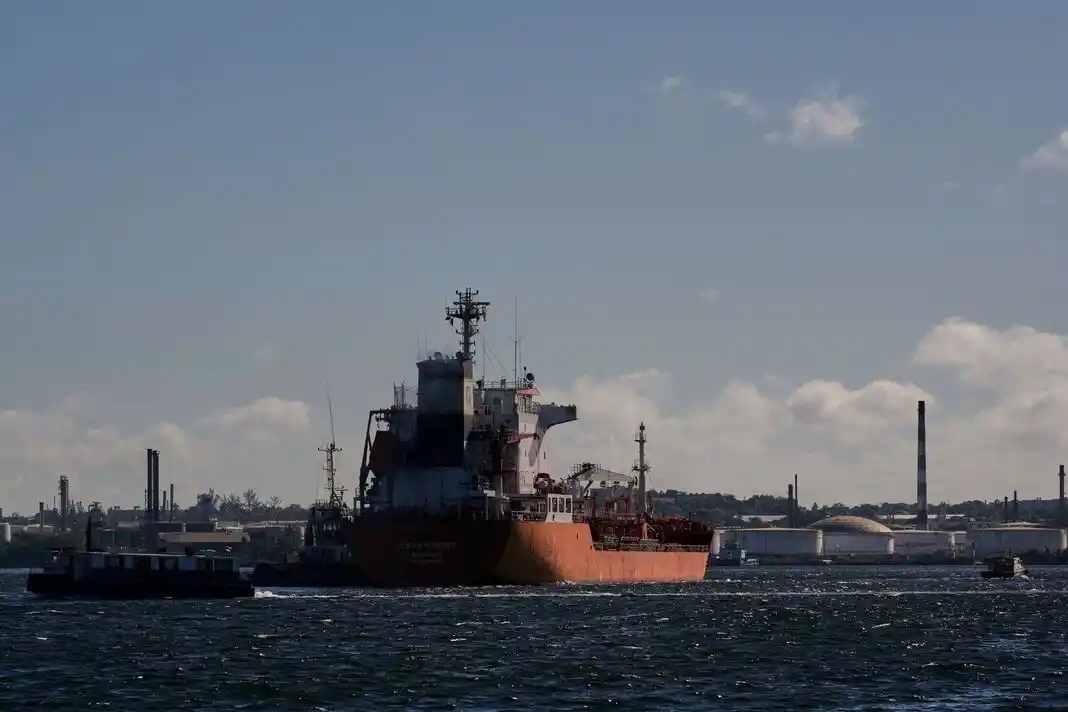
The Trump administration’s reported consideration of a naval blockade to halt oil imports to Cuba represents a dangerous escalation in U.S. policy toward the island nation—one that risks plunging the hemisphere into unnecessary crisis while achieving little beyond humanitarian suffering and diplomatic isolation for Washington.
According to recent reports from various outlets, the White House is exploring aggressive measures, including a total blockade on oil shipments, as part of a broader push for regime change in Havana. This comes on the heels of President Trump’s announcement that Venezuelan petroleum deliveries to Cuba would cease, cutting off a major lifeline for the island’s energy needs. Cuba, which imports roughly 60% of its oil and has long depended on discounted supplies from allies like Venezuela (and more recently limited shipments from Mexico), now faces the prospect of being strangled at sea if these plans advance.
Proponents inside the administration argue that energy is the “chokehold” capable of finally toppling the Cuban regime. The logic is familiar: deprive the government of fuel for electricity generation, transportation, and industry, and the resulting blackouts, shortages, and economic paralysis will spark popular unrest strong enough to force political change. It’s the same coercive playbook that has been tried—and largely failed—for decades against Cuba, Venezuela, Iran, and North Korea.
Yet history offers a stark warning. The U.S. embargo on Cuba, in place since the early 1960s and tightened repeatedly under both parties, has inflicted immense hardship on ordinary Cubans without dislodging the Communist government. Blackouts were already common before recent Venezuelan supply cuts; further restrictions would deepen black markets, accelerate emigration (already at record levels), and entrench the regime’s narrative of external aggression as the root of all ills. A naval blockade takes this failure to a new level: it is an act of war under international law unless explicitly authorized by the UN Security Council, which would never happen given likely vetoes from Russia and China.
The legal and strategic risks are profound. Intercepting commercial vessels on the high seas—especially those flagged by third countries like Mexico or others that might step in to fill the supply gap—could spark confrontations with foreign navies, trigger incidents at sea, or draw in allies of Cuba such as Russia (which maintains a modest but symbolic presence in the region). In an era of great-power competition, escalating in America’s backyard over a small island that poses no direct military threat to the United States would hand propaganda victories to adversaries in Beijing and Moscow, portraying Washington as an imperialist bully rather than a champion of democracy.
The humanitarian toll would be immediate and severe. Cuba’s already fragile healthcare system, agriculture, and public services rely on diesel generators and fuel for basic operations. Widespread fuel shortages could halt food distribution, cripple hospitals, and leave millions without reliable electricity in a country still recovering from the pandemic and natural disasters. The administration’s own officials have acknowledged that such measures aim at regime collapse, yet experience shows that authoritarian governments rarely fall to external deprivation alone; instead, they double down on repression while the population bears the brunt.
If the goal is genuine democratic reform in Cuba, there are smarter paths forward. Quiet diplomacy, targeted sanctions on regime elites and their enablers (rather than blanket economic warfare), support for independent civil society, and engagement with the Cuban diaspora could exert pressure without risking armed confrontation. The failed Bay of Pigs invasion and decades of isolationist policy should have taught us that overt hostility often strengthens the very system it seeks to dismantle.
A naval blockade would not only violate international norms but also undermine America’s moral authority at a time when it is trying to rally the world against greater threats in Europe and Asia. It would alienate partners in Latin America, many of whom maintain working relations with Havana despite disagreements, and hand anti-American forces a powerful recruiting tool.
The Trump administration should step back from this brink. Cuba’s problems are real—economic mismanagement, political repression, and now acute energy vulnerability—but turning the Caribbean into a flashpoint serves no vital U.S. interest. Starving a nation into submission has never produced lasting freedom; it only breeds resentment and instability that can last generations. The United States can and should do better.