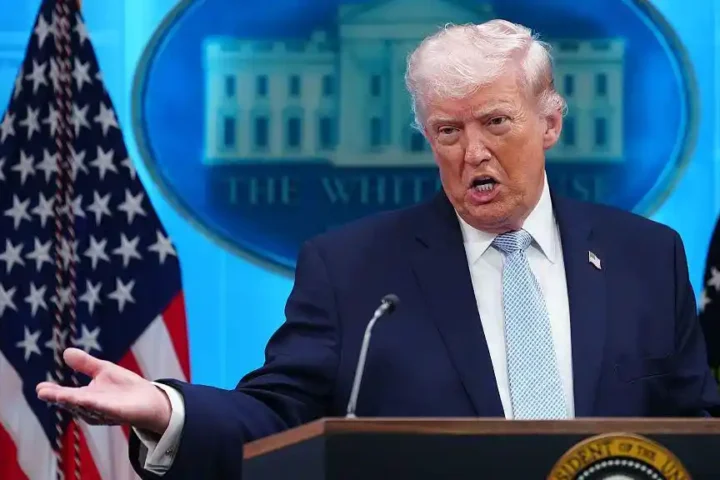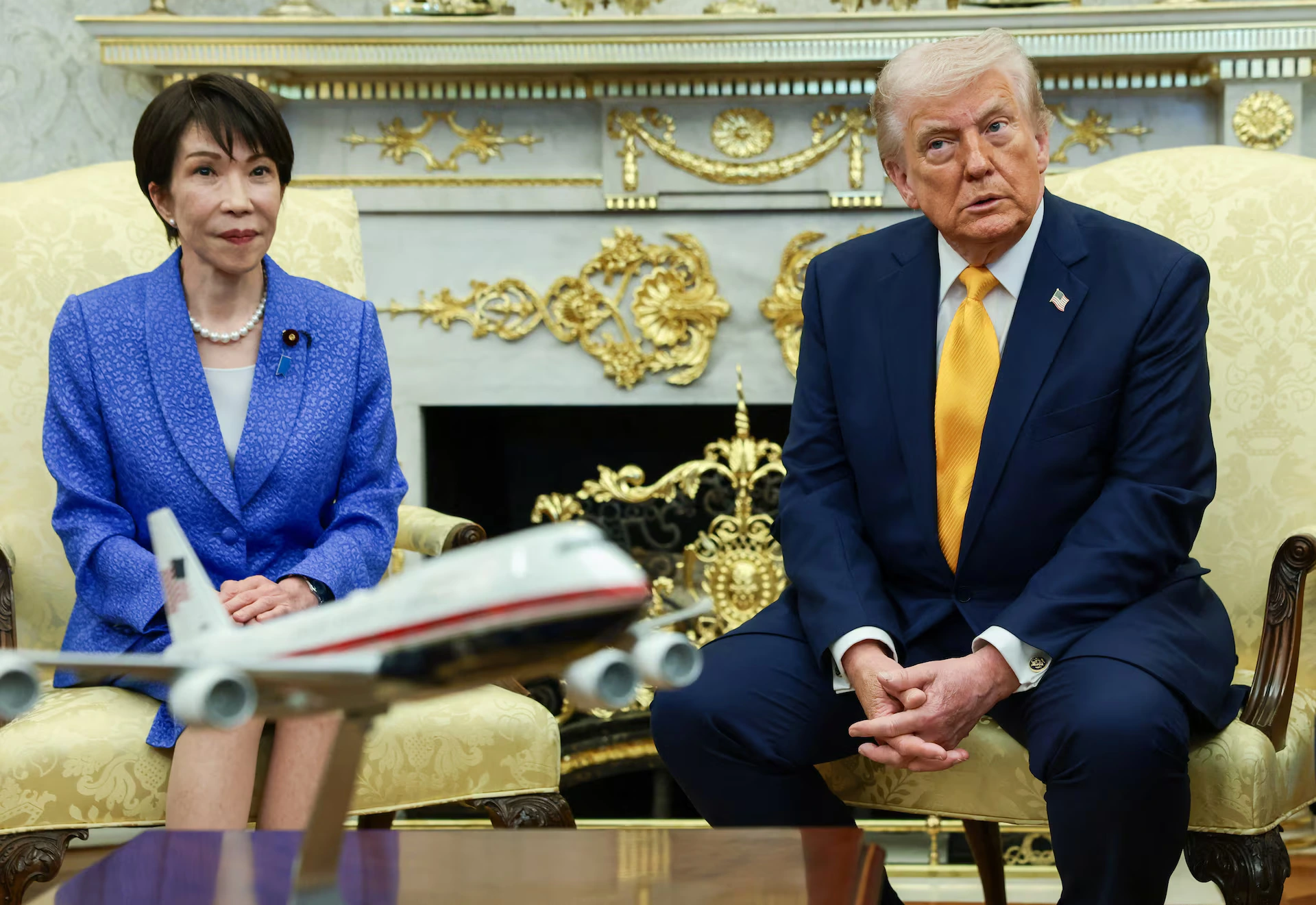
When Donald Trump invoked Pearl Harbor during Japanese Prime Minister Fumio Kishida’s visit to Washington this week, the remark landed like an unexpected chord in an otherwise carefully orchestrated diplomatic symphony. The meeting was meant to showcase enduring strength between two longtime allies, a reaffirmation of trust in an increasingly unstable Pacific. Instead, it reminded everyone just how fragile, and how freighted with memory, that trust can be.
Pearl Harbor is not just a date in American history; it’s a wound etched into national identity. The surprise Japanese attack in December 1941 shattered the illusion of American security and ushered the nation into global war. For Japan, it marked the beginning of its own long reckoning with militarism and defeat. For decades, the U.S. and Japan have painstakingly reconstructed their relationship on the foundations of humility, reconciliation, and mutual strategic interest. That bond has endured wars, trade disputes, and shifting administrations. But when Trump casually brought up the attack — reportedly emphasizing the “strength” of the American response — he reopened a vault of memories that diplomacy usually keeps behind lock and key.
Trump’s defenders rushed to clarify that he meant no offense, that the mention of Pearl Harbor was a reflection of historical resilience, not recrimination. Still, diplomacy is not merely about intent; it’s about resonance. Every gesture, every phrase, carries symbolic weight. When a former president — especially one who may soon be back in contention for the White House — evokes the most painful episode in bilateral history during a state visit, the world listens twice. The Japanese, skilled in reading subtext, surely noticed.
Trump has long treated diplomacy as performance — a forum for improvisation rather than choreography. To his supporters, that spontaneity is authenticity. To his critics, it’s recklessness. Either way, it is a departure from the tradition of tightly scripted engagement that has defined modern American diplomacy. His pattern of inserting jarring historical references — from his musings on “fire and fury” in North Korea to his lament over NATO spending — is both a rhetorical trademark and a tactical risk. In this case, the risk wasn’t military or economic, but moral: the risk of trivializing history.
There’s an irony here. Few nations have reconciled their shared past as deliberately as the U.S. and Japan. Presidents and prime ministers have repeatedly visited Pearl Harbor and Hiroshima to express mutual forgiveness. Barack Obama became the first sitting U.S. president to visit Hiroshima in 2016, calling for a world “without fear of annihilation.” Four years later, Japanese Prime Minister Shinzo Abe laid a wreath at the USS Arizona Memorial alongside the American flag. Both moments symbolized how two nations that once faced each other across battle lines managed to look, together, toward peace. Those acts weren’t spontaneous. They were deliberate — the opposite of Trump’s style.
To understand the discomfort surrounding Trump’s remark, one must see it not as a diplomatic gaffe but as a rupture in storytelling. The United States and Japan have spent 80 years rewriting their narrative — from enemies to allies, from conqueror and conquered to equals shaping an Indo-Pacific alliance. Their story is one of reinvention, of history turned into partnership. When Trump remembers Pearl Harbor in the wrong register, it’s as though he breaks the fourth wall of that narrative, yanking both sides back into a past they’ve worked decades to transcend.
The timing made it even more delicate. Kishida’s visit came amid shared anxieties about China’s territorial ambitions, North Korea’s missile tests, and the uncertain future of global alliances. Given Tokyo’s increasing military assertiveness — a remarkable transformation in a country once constitutionally pacifist — the symbolism of unity mattered most. The last thing the moment needed was a reminder of wartime enmity. Strategic alignment thrives on mutual respect; careless language corrodes it.
And yet, there is something revealing in Trump’s invocation of historical trauma. It exposes how much of American political rhetoric still draws power from mythic scenes of pain and triumph. In Trump’s telling, history often serves not as a source of remorse or reflection but as a stage for self-assertion — the triumphant overcoming of humiliation. That narrative of resurrection is quintessentially American, but in the international arena, it can sound tone-deaf. What to one nation is a story of strength may to another be a story of sorrow.
It also raises a deeper question about memory in democratic politics. Can a nation remember its pain without weaponizing it? Can leaders invoke the past responsibly, without turning it into spectacle? Trump’s remark, fleeting as it was, gestures toward a broader tension in American culture: the uneasy coexistence of remembrance and self-congratulation. Pearl Harbor is not just a historical event — it’s a symbol of victimhood that bolsters national resolve. Used carelessly, it ceases to be memory and becomes mythmaking.
For Japan, such moments are reminders that postwar reconciliation is not a settled story but a living negotiation. Trust between nations is cumulative but fragile; it depends as much on tone as on treaties. Kishida’s measured response — dignified, subdued, almost studiously polite — spoke volumes. Japan understands that in today’s world, its alliance with the United States is too vital to jeopardize over a single remark. But its restraint should not be mistaken for indifference.
Trump’s Pearl Harbor reference likely won’t have lasting geopolitical consequences. Yet it persists as a small but telling window into how history can misfire when handled without care. Memory, like diplomacy, demands discipline. It asks that we speak of the past not only with conviction but also with compassion — especially when sitting across from those who once stood on the other side.