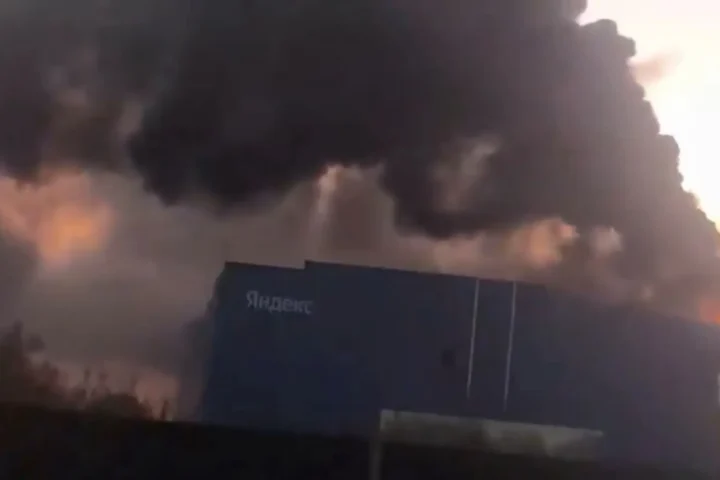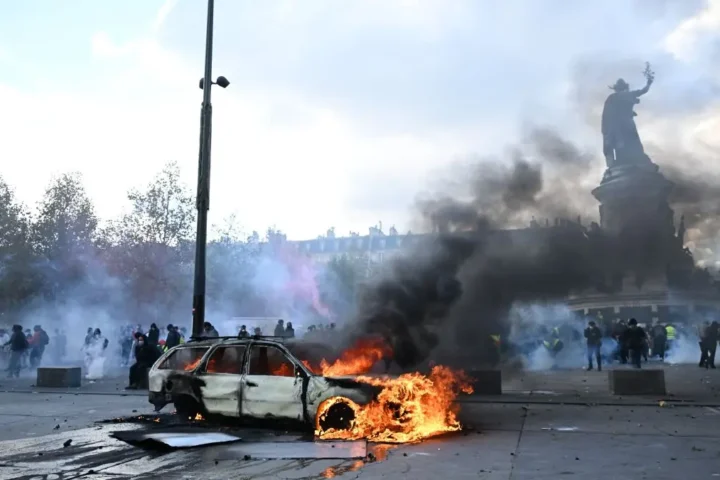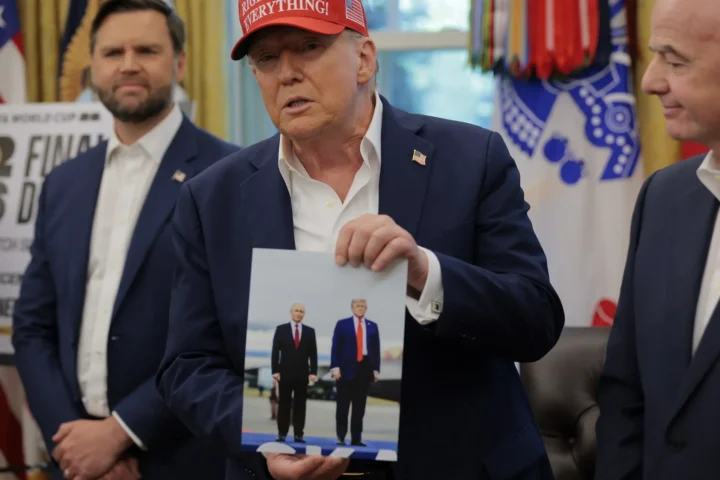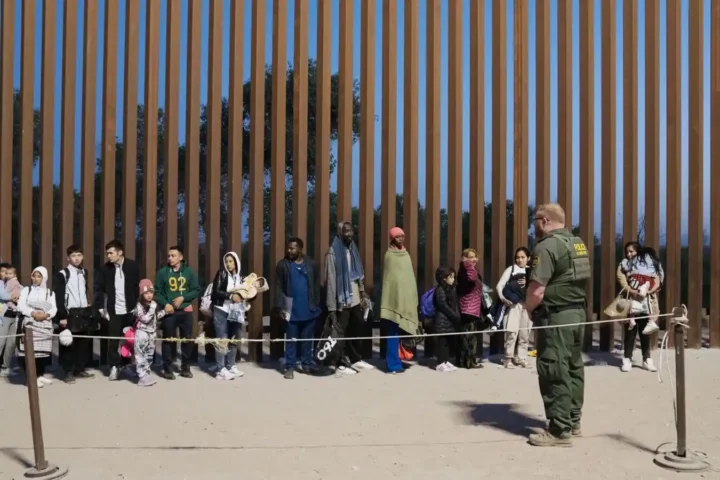
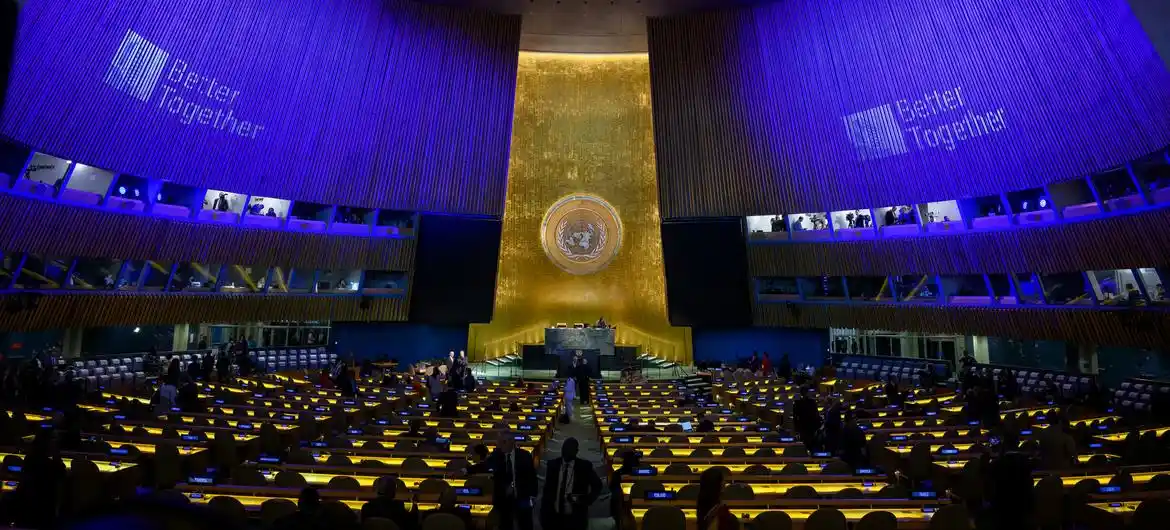
Dag Hammarskjöld once warned that the United Nations was never meant to deliver paradise—only to keep humanity from plunging into hell. As world leaders assemble for the 80th session of the UN General Assembly, his words echo with renewed urgency. The UN is confronting its most profound crisis since its birth in the ruins of World War II: wars grinding on in Ukraine and Gaza, a humanitarian landscape defined by displacement and famine, and a United States increasingly unwilling to bankroll or back the multilateral system it once helped build.
Yet it is precisely at such moments—when the multilateral order seems fragile, overstretched, and politically besieged—that the UN’s continued relevance becomes unmistakable. The very fact that no viable alternative exists is not an argument for complacency, but a mandate for reinvention.
The UN’s dysfunctions are well known and often deserved: its paralyzing Security Council vetoes, its sprawling bureaucracy, and its failure to prevent conflicts in places like Syria, Yemen, Ukraine, and now Gaza. But the current crisis is different in scale and nature. It is not merely that the institution is struggling; it is that the geopolitical conditions sustaining it are eroding.
The United States—provider of roughly a quarter of the UN’s peacekeeping budget and 22 percent of its core funding—has sharply curtailed its support. Since 2025, Washington has withdrawn from major UN agencies ranging from the WHO to UNESCO, and it has slashed nearly a billion dollars in funding. The message from Washington is unmistakable: multilateralism is obsolete, and bilateralism—or unilateralism—will do.
The consequences are immediate and severe. European donors, already stretched by economic slowdowns and rising defense spending, cannot easily step into the financial void. Meanwhile, crises multiply: climate shocks, mass displacement, rising food insecurity, and the global ripple effects of entrenched wars. The UN’s architecture is buckling under the weight of demands it was never designed to meet.
The UN Has Been Here Before—and Survived
It is tempting to read this moment as the twilight of the UN era. But history cautions against premature obituaries. The paralysis of the Security Council today mirrors the Cold War deadlocks that stalled action during conflicts in Korea, Cuba, and Vietnam. Back then, as now, geopolitical rivalry made consensus elusive. Yet the UN adapted—most notably through the 1950 “Uniting for Peace” resolution, which empowered the General Assembly to recommend collective measures when the Council was blocked.
That mechanism remains relevant. Just this year, the General Assembly endorsed a two-state framework for Israel and Palestine despite Security Council inaction, signaling that the UNGA—more representative, more democratic, and less constrained—can still serve as the conscience of the international community.
International institutions also have a quiet resilience underestimated by their critics. They evolve; they improvise; they outlast the governments that undermine them. And they remain indispensable because no other forum can legitimately convene the entire world to deliberate on shared threats.
Reform or Retreat
Still, resilience is not enough. The UN must change—or face irrelevance. Acknowledging this, the 193-member General Assembly adopted the “Pact for the Future” in 2024, outlining commitments on sustainable development, peace, and human rights. Opposition from sanctioned states underscored global frustration, but the pact signaled momentum for reform.
The UN@80 initiative goes further, proposing cost-cutting measures that would have been unthinkable a decade ago: a 20 percent budget reduction, merging overlapping agencies, and concentrating resources on peacekeeping and support for the world’s poorest states. These are not cosmetic adjustments—they are survival strategies.
Yet no reform will succeed without confronting the real obstacle: the antiquated power structure of the Security Council. The rise of new geopolitical actors, particularly China, has redrawn the map of global influence. Beijing’s Global Governance Initiative and its increased UN funding reflect a clear ambition to reshape international institutions from within. But any meaningful restructuring—especially one involving UNSC reform—will face fierce resistance from the Permanent Five, whose veto power remains a relic of 1945 that they have no incentive to relinquish.
Why the World Still Needs the UN
Realists argue that the UN fails at the one task that matters most—preventing war. They are not wrong. But they overlook something essential: the UN is the world’s emergency room, not its police force. Peacekeeping, humanitarian relief, refugee protection, disease eradication, development aid—these are areas where the UN’s impact is profound and often life-saving.
And new global challenges demand—not suggest, not prefer, but demand—collective governance. Artificial intelligence, cyber threats, autonomous weapons, and the militarization of outer space are technologies and frontiers with no borders and no precedent. Without a multilateral body to set norms, rules, and boundaries, the world risks entering an era where technological power substitutes for political authority.
The UN at 80 is weakened, but not doomed. The organization’s future will not hinge on great-power magnanimity, which is in short supply, but on the resolve of smaller and middle powers that rely on multilateralism for voice and protection. Their push for a more representative system—one capable of acting despite geopolitical rivalry—will shape the next chapter of global governance.
No one argues that the UN is perfect. But in a world of multiplying crises, there is one certainty: without it, the descent into Hammarskjöld’s “hell” becomes far more likely.
The UN does not need to take humanity to heaven. It only needs to keep the world from tearing itself apart. And for that, it remains indispensable.