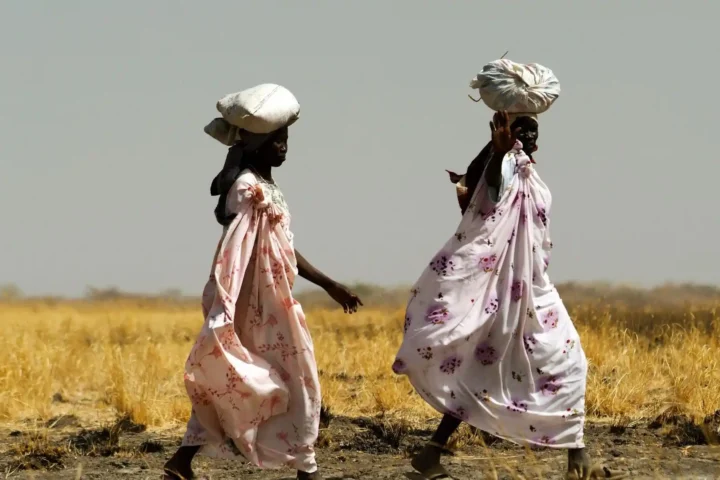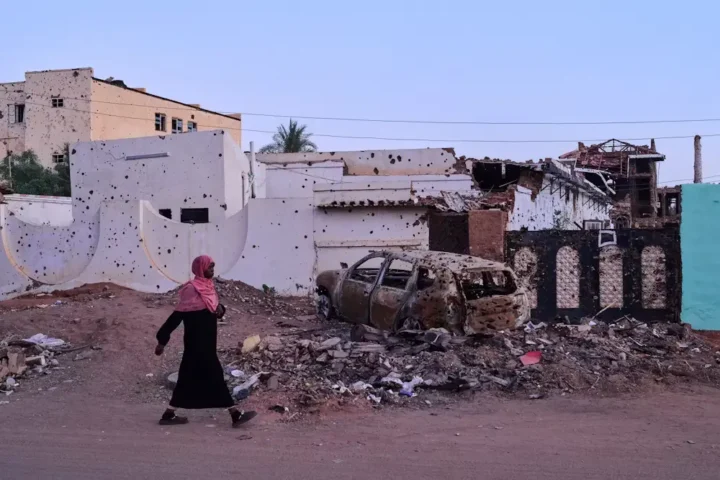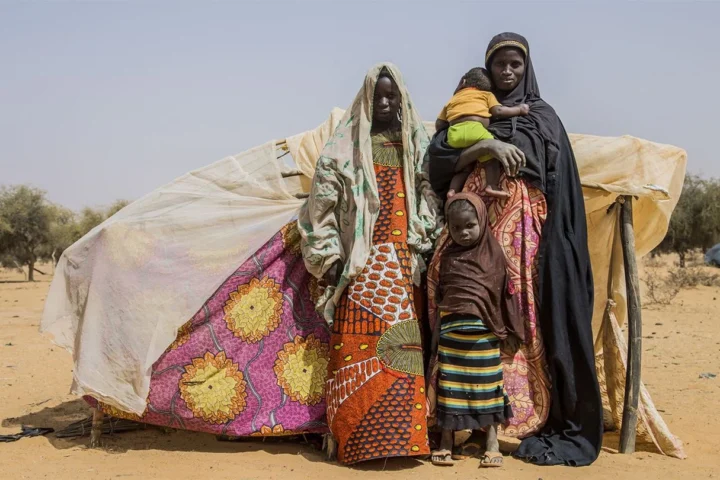
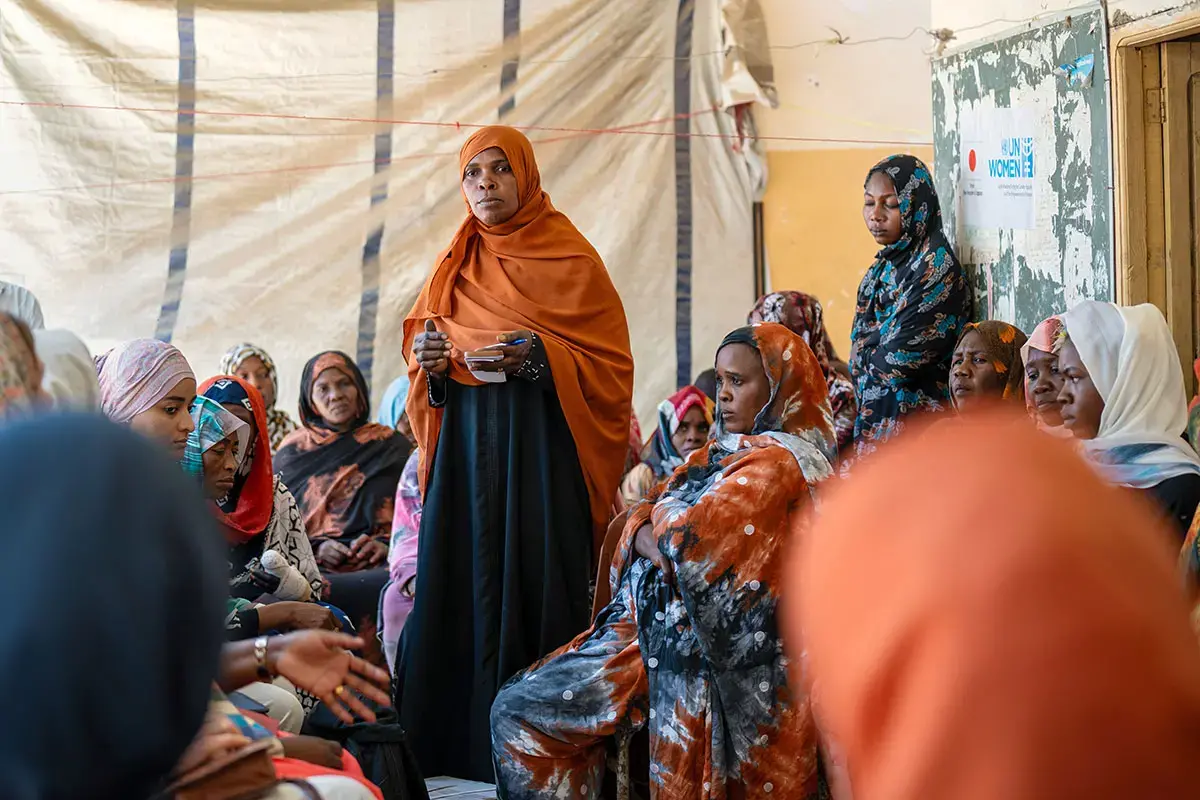
From the shattered streets of El Fasher to conflict-scarred towns across Sudan, women and girls are enduring acts of sexual violence so brutal that they defy comprehension. Survivors describe ambushes at the roadside, threats against their children, and assaults carried out by armed men with total impunity. These are not isolated incidents. They are part of a deliberate strategy of terror, used to punish communities, force displacement and fracture societies at their core.
Sudan is not alone. Around the globe, rape and other forms of sexual abuse are being wielded as weapons of war, even as international attention to the issue fades. More people now live amid armed conflict than at any time since the Second World War, and women bear a disproportionate burden of that violence. In places as varied as Syria, Yemen, Ukraine and the Democratic Republic of the Congo, sexual violence has become an entrenched feature of modern warfare.
Estimates suggest that as many as three in ten women and girls living in conflict zones have experienced sexual violence, including systematic gang rape, forced marriage, abduction and sexual slavery. These crimes leave scars that endure long after the fighting stops: physical injuries, psychological trauma, social stigma and the breakdown of families and communities.
What makes this crisis all the more troubling is that it is unfolding against a backdrop of diminishing global focus. A quarter of a century has passed since the United Nations adopted Security Council Resolution 1325, a landmark agreement that recognized both the need to protect women from sexual violence in war and the essential role they play in building peace. Yet today, progress has stalled and, in many cases, reversed.
The scale of the problem continues to grow. In 2024 alone, the UN documented 4,600 cases of conflict-related sexual violence, an increase of 25 percent on the previous year. Meanwhile, more than 600 million women now live within 50 kilometres of active conflict, a figure that has surged by nearly three-quarters since 2010. Behind every statistic is a human life altered forever.
In response, there is renewed pressure on governments and international institutions to act with urgency. The United Kingdom has pledged to elevate the protection of women in conflict to the heart of its foreign policy, not only viewing them as victims in need of aid, but as leaders capable of shaping reconciliation and recovery.
This has translated into practical measures. British experts are assisting Ukrainian investigators and judges to strengthen the prosecution of war crimes, including sexual offences. Specialist investigators have been deployed to UN fact-finding missions in Sudan, Myanmar and the Democratic Republic of the Congo to ensure that evidence is gathered and perpetrators held to account. Efforts are also underway to confront the silence and shame that too often surround these crimes, forming international partnerships to protect survivors who risk reprisals for speaking out.
Humanitarian support is another vital front. In Gaza, funding has been directed towards care for pregnant women and new mothers struggling to survive amid destruction and displacement. Such interventions are crucial, but they address only part of the problem. For peace to endure, women must be central to negotiations, reconstruction and governance.
History offers powerful examples of what is possible. In Northern Ireland, women played a pivotal role in the peace process that helped end decades of violence. In Liberia, a grassroots movement led by Leymah Gbowee mobilised women to demand an end to civil war. In Colombia, women’s groups were instrumental in brokering an agreement after years of bloody conflict. These stories demonstrate that when women are given a voice, peace becomes not just a ceasefire but a foundation for lasting stability.
At home, the UK government has committed to tackling violence against women and girls, aiming to reduce such crimes significantly over the coming decade. The challenge now is to ensure that this commitment extends beyond national borders, matching actions abroad with promises made domestically.
The anniversary of Resolution 1325 should serve not as a ceremonial milestone, but as a call to action. Conflict-related sexual violence is not an inevitable by-product of war; it is a crime, and one that the world has the knowledge and tools to prevent. What has been lacking is the sustained political will and international coordination needed to confront it effectively.
As fighting continues in Sudan and elsewhere, the international community faces a stark choice: continue to turn away, or confront the reality that peace and security cannot exist while half the population lives in fear. Ending the use of sexual violence as a weapon of war is not only a moral imperative; it is fundamental to rebuilding societies torn apart by conflict.
The message from survivors could not be clearer. They demand justice, protection and the chance to shape their own futures. And until their voices are fully heard, the promise of peace will remain tragically incomplete.