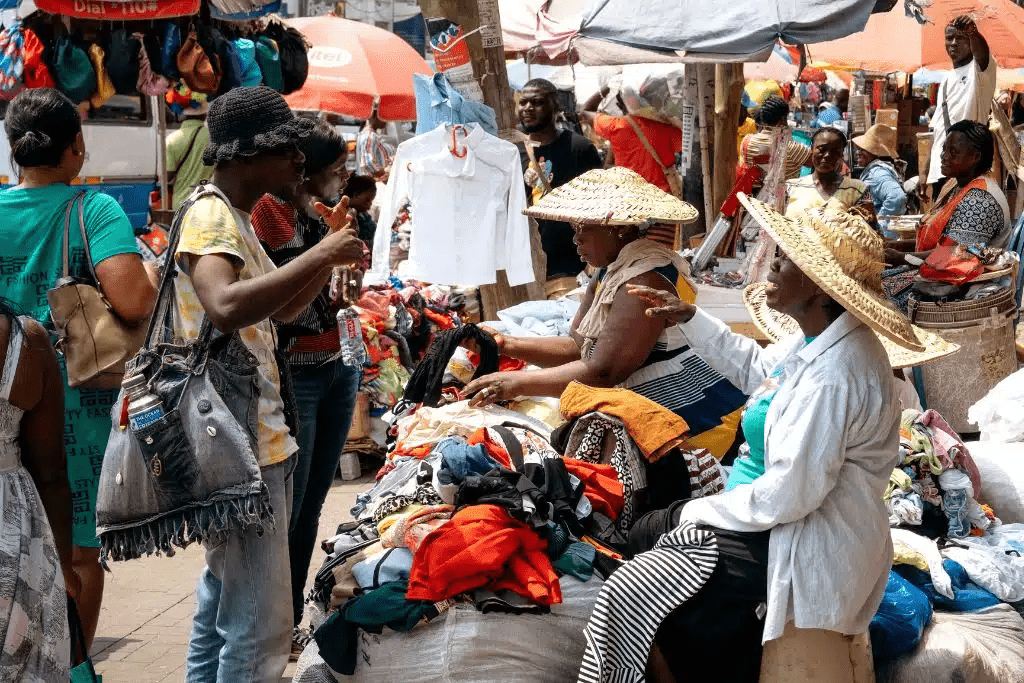
The sun beats down mercilessly on Makola Market. With temperatures soaring past 32°C, Auntie Fausty, a 54-year-old bag seller, wipes sweat from her brow with a faded rag. Her face, etched with deep lines, tells the story of decades spent working under the harsh West African sun.
“After the harmattan season, the heat becomes unbearable,” she says, pausing to scan the bustling market for customers. “I sit here from morning until 3 pm, sweating, drinking water, just trying to cope – and worrying about how to make enough to eat.”
Across the city, at Tema Station Market, Ama Serwaa struggles beneath a worn umbrella as she arranges neatly packaged spices. Her battle is not just against economic hardship but against the punishing afternoon sun. “The headaches are the worst,” she whispers. “Sometimes, the pain is so bad I just close my eyes and hope for relief – even if it means losing customers.”
These women, like thousands across Ghana, face the growing threat of extreme heat daily. Unlike office workers who retreat to air-conditioned rooms, their workplaces are exposed, their bodies the first line of defense in a climate crisis they did not create.
The Silent Health Crisis
The heat does more than cause discomfort – it damages bodies. Experts warn that women are biologically more vulnerable to heat stress than men.
“Women’s cardiovascular systems, skin, and hormones respond differently under heat stress,” explains Kathy Baughman McLeod, CEO of Climate Resilience for All. “This isn’t just about feeling hot – it’s about real physiological risks, including headaches, chronic fatigue, skin rashes, and even miscarriages.”
Caryn Agyeman Prempeh, Health Director at La Dade Kotopon Municipal Assembly, adds: “Heat triggers hormonal imbalances, affecting fertility and reproductive health. Prolonged exposure essentially puts a woman’s body in constant stress mode.”
Scientific research backs these claims, showing that extreme heat disrupts reproductive hormones, sometimes halting ovulation altogether. Pregnant women are at greater risk, with heat-linked miscarriages and stillbirths becoming increasingly common.
Northern Ghana’s Deadly Heat
In the northern town of Bolgatanga, where temperatures can exceed 40°C, the consequences of heat are deadly. Outbreaks of cerebrospinal meningitis surge during the hottest months, and women, often primary caregivers, suffer the most.
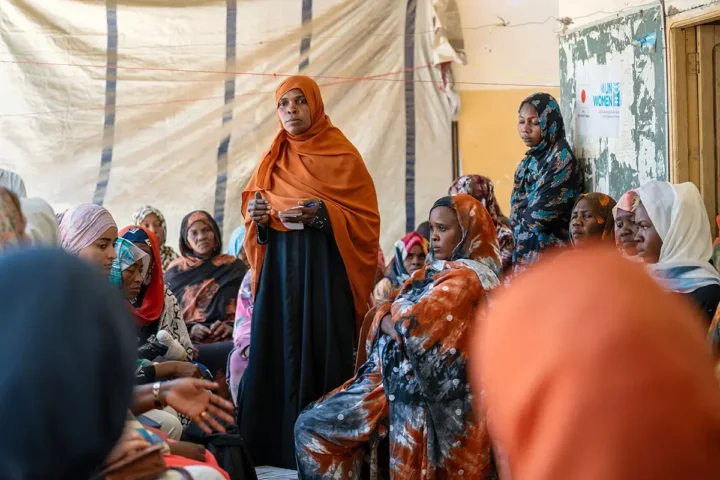
“We walk long distances for water, care for the sick, and keep our households running – even when we are weak from the heat,” says Adisa Adams, a mother of three. “But when we fall ill, who takes care of us?”
A Gendered Climate Crisis
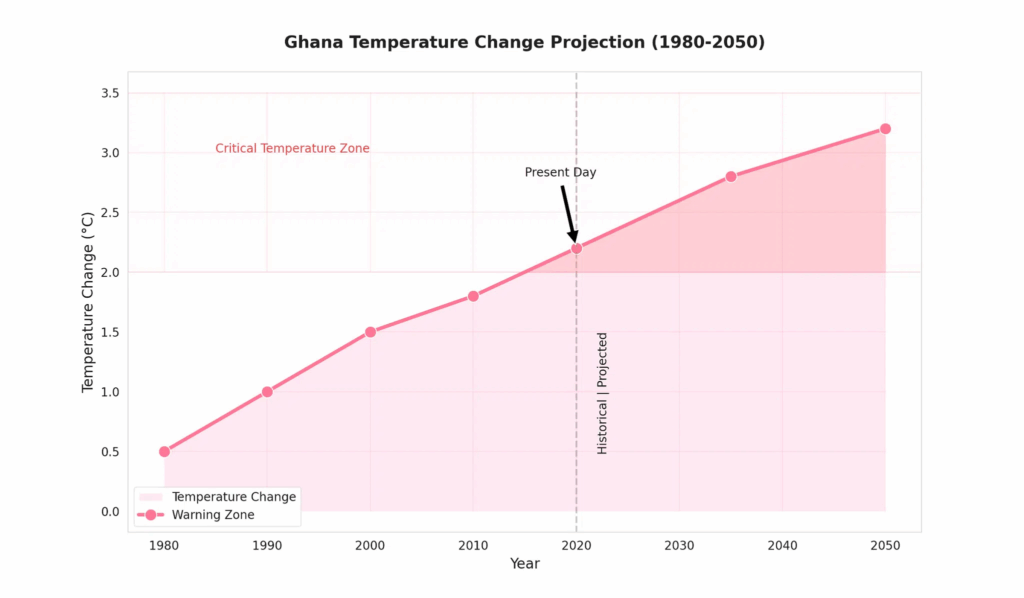
Ghana’s climate has already warmed by over 2°C since 1990, and scientists warn the coming decades will bring even hotter, longer-lasting heatwaves. The economic consequences are profound – crops fail, hydropower generation drops, and diseases spread. But for women, the burden is uniquely severe.
“We must treat heat stress as a gendered health crisis,” Prempeh urges. “Policies are designed as if everyone experiences heat equally – but women suffer far more, especially those working outdoors.”
Hope and Innovation
Despite the grim reality, there are sparks of hope. Ghana’s new Minister of State for Climate Change and Sustainability, Baba Issifu Seidu, has pledged to develop policies that address heat’s disproportionate impact on women.
Local innovations are also making a difference. In Accra’s Ga-Mashie and Kumasi’s Nkwantakese communities, homes are being coated with reflective white paint under the Heat Adaptation Benefits for Vulnerable Groups in Africa (HABVIA) project, drastically reducing indoor temperatures.
“Before the white roof, my children couldn’t sleep,” says Maamle Sackey, a Ga-Mashie resident. “Now we rest better, and my headaches have lessened.”
Environmental researchers believe women themselves hold the key to broader change. “Urban women can transform microclimates through home gardens, water conservation, and community-led greening,” says Doreen Larkailey Lartey of the University of Ghana.
The Urgent Call
Ghana’s women are fighting two battles – economic survival and the devastating effects of climate change. Their resilience is remarkable, but without urgent policy action, their health, livelihoods, and even their fertility remain at risk.
As Auntie Fausty adjusts her bags under the relentless sun, her determination speaks for thousands: “We cannot stop working. But we need help – because this heat is only getting worse.”