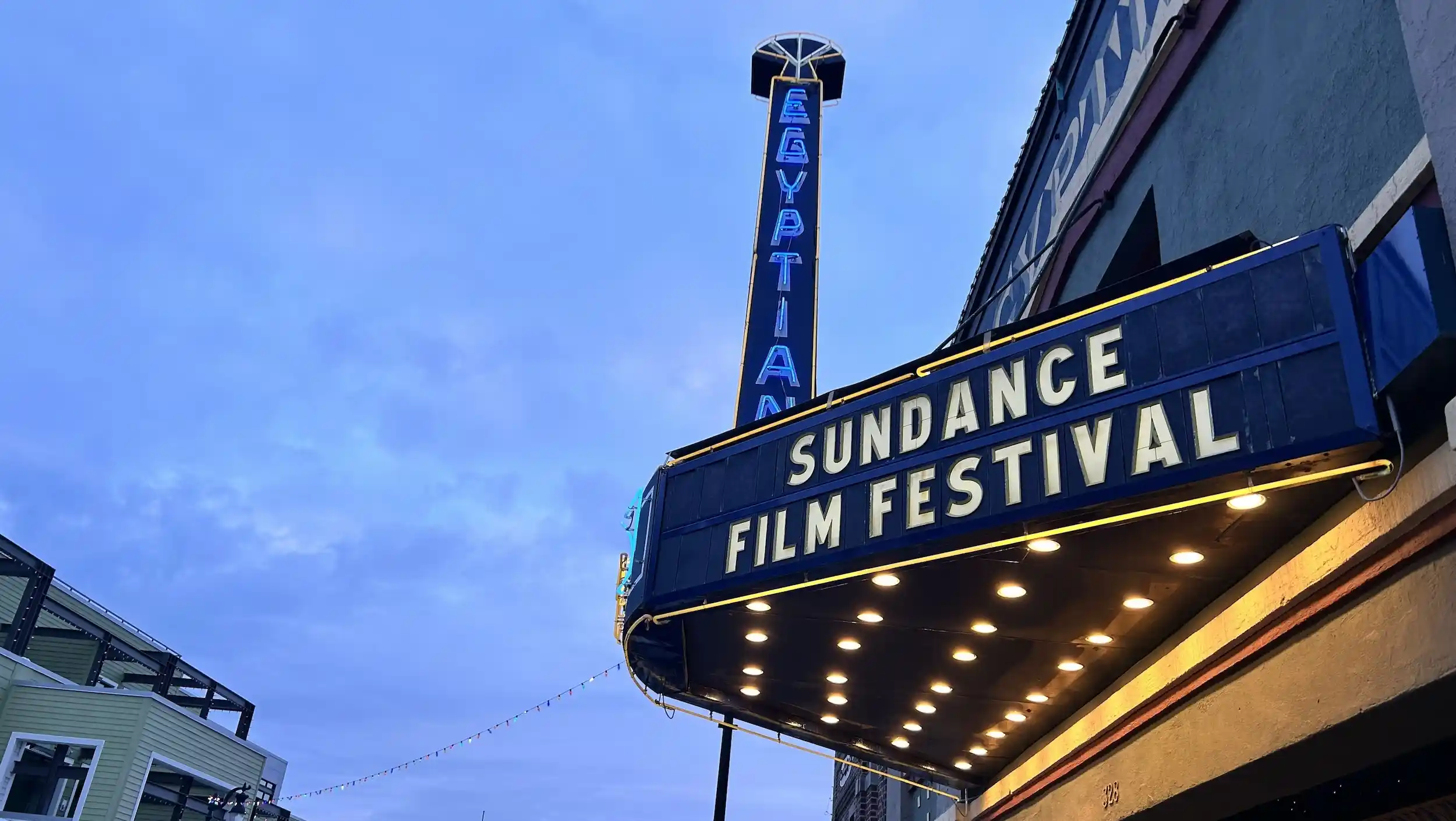
The Sundance Film Festival wrapped its final edition in Park City, Utah, this January, and with it, an era. Once the launchpad that turned shoestring productions into cultural phenomena, the festival now finds itself navigating an industry that has largely stopped writing blank cheques for indie darlings. As Sundance prepares to relocate to Boulder, Colorado, in 2027, the question haunting filmmakers and buyers alike is stark: Can independent cinema survive without the marketplace that once sustained it?
There was a time when Sundance was synonymous with discovery and fortune. Steven Soderbergh’s Sex, Lies, and Videotape ignited a revolution in 1989; films like The Blair Witch Project, Little Miss Sunshine, and Manchester by the Sea followed the same arc, premiering to rapturous crowds in the Utah mountains before conquering multiplexes worldwide. Streaming giants once descended on Park City scattering eight-figure acquisition deals. Those frenzied bidding wars defined an ecosystem where a single screening could change a filmmaker’s life overnight.
That ecosystem has fundamentally changed. Of the roughly 90 feature films that premiered at the 2026 festival, only a handful secured distribution deals during the event itself. The sold-out screenings and standing ovations remain, but the buyers who once raced to close deals on Main Street now take weeks, sometimes months, to commit, recalibrating risk, theatrical viability, and marketing budgets long after Park City empties out.
A Leaner, More Cautious Marketplace
The 2026 edition did produce moments of genuine commercial excitement. Olivia Wilde’s chamber dramedy The Invite sparked a 72-hour bidding war involving Apple, Neon, Focus Features, and Netflix before A24 secured domestic rights for a reported $12 million, one of the most significant Sundance acquisitions in recent years. Queer horror breakout Leviticus sold to Neon for approximately $5 million, reaffirming that genre cinema with a distinctive voice can still command attention.
Yet these were exceptions in a landscape defined by restraint. Sales agents at the festival attributed the modest uptick in on-site deals not to a market rebound, but to a more disciplined class of buyer, smaller entities with narrower appetites operating under clear mandates, rather than conglomerates making speculative bets. Over 65% of the festival’s lineup remained available for acquisition heading into the event, a figure consistent with recent years.
The broader malaise runs deeper than deal flow. Studio consolidations, the contraction of theatrical distribution, and the difficulty of persuading audiences to pay for smaller films have squeezed independent cinema from multiple directions. Filmmakers at Sundance have spoken openly about how the space to make unconventional work is shrinking. Director Ryan Fleck captured the prevailing mood: “The climate is rough. It’s hard to make strange, odd movies”.
The passing of Sundance founder Robert Redford in September 2025 has added a layer of emotional weight, deepening the sense that the festival is closing a chapter rather than merely changing venue. Filmmaker Kogonada, whose Zi premiered at the 2026 edition, reflected on the existential questions now facing creators, about why they make art, who it reaches, and whether it still holds validity in a landscape hostile to risk.
Reinvention, Not Requiem
Still, there are reasons to resist the obituary. A24’s indie hit Marty Supreme has earned $110 million at the box office, proving that audiences will show up for distinctive storytelling when the marketing and distribution align. Sundance’s 2026 programme featured 90 films from 28 countries, with 40% directed by first-time feature filmmakers, a testament to the pipeline of new talent that continues to flow. And festival leadership, including director Eugene Hernandez, has reframed Sundance’s value proposition: it is no longer simply a marketplace, but a space for artistic validation, cultural dialogue, and community-building.
The internet, too, has opened alternative pathways. Many filmmakers now see festivals less as the gateway to studio distribution and more as one node in a broader strategy that includes social media, direct-to-audience platforms, and international co-productions. Sundance’s core value, in this reading, lies not in the deals it brokers but in the spotlight it provides to an engaged, film-enthusiastic audience hungry for work that doesn’t feel manufactured by committee.
When Sundance opens in Boulder next year, it will carry the weight of these contradictions. The festival remains the most recognised name in independent filmmaking, yet it operates in a landscape far more precarious than during its heyday. The 2026 edition did not end with a buying frenzy, it ended with momentum, a quieter currency but perhaps a more honest one. Whether that momentum can sustain a movement that once reshaped Hollywood is the wager independent cinema is now forced to make.