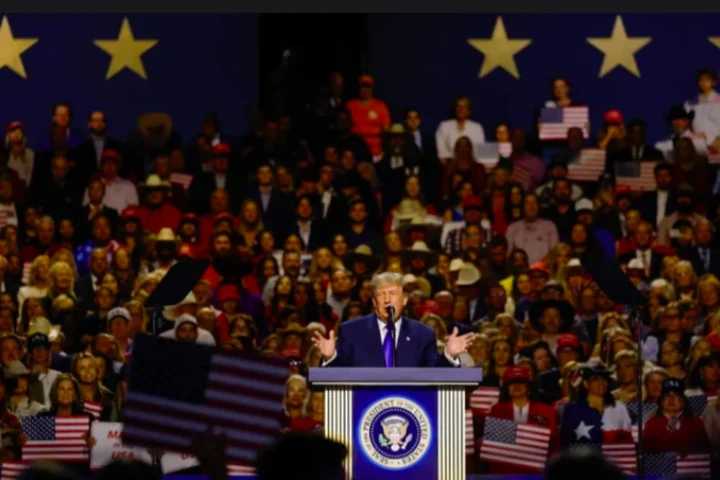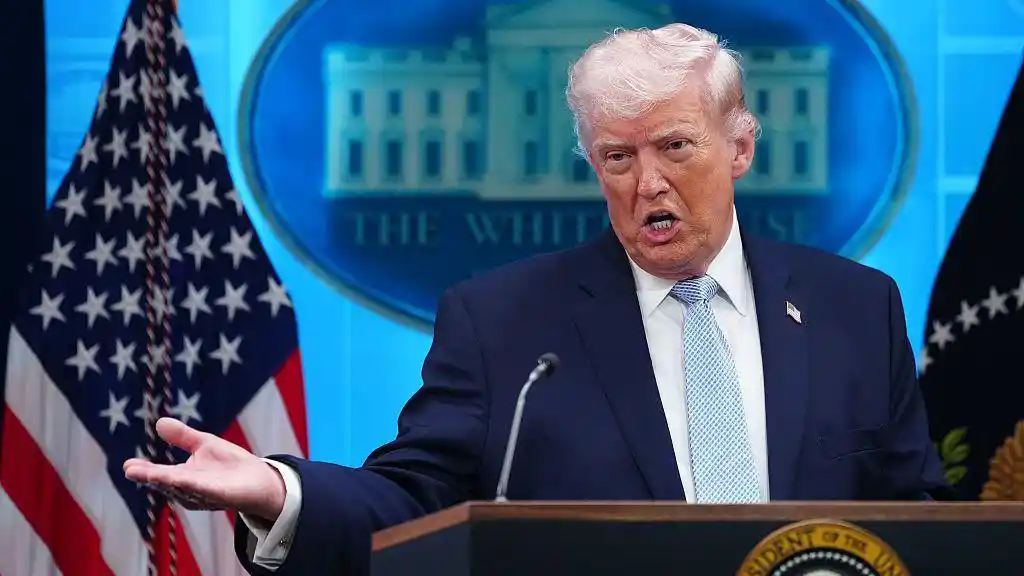
President Trump’s cryptic remark—“I can’t tell you” whether the war with Iran is winding down or escalating—captures the fog of a conflict now entering its seventh week. Spoken on April 6 amid deadline extensions and fresh ultimatums, the line reflects not confusion but the calculated improvisation that has defined his foreign-policy playbook.
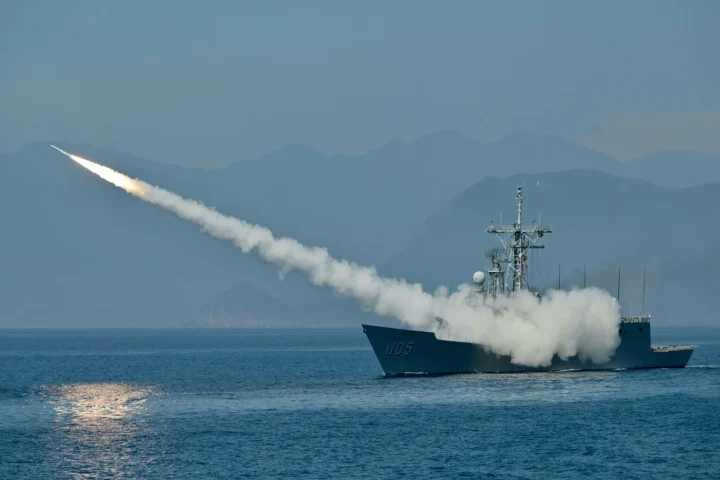
What began on February 28 as targeted U.S. and Israeli strikes on Iranian military sites—retaliation for disruptions in the Strait of Hormuz—has evolved into a grinding standoff. Early claims of near-victory, with radar and air defenses crippled, gave way to persistent Iranian defiance. Oil flows remain choked, casualties mount (13 U.S. troops among thousands), and global markets reel from price spikes. Trump’s rhetoric has mirrored this: “winding down” in March, threats of total devastation by April.
Trump’s ambiguity invites scrutiny. Is it strategy—a deliberate opacity to keep adversaries guessing, much like his North Korea summits or trade wars? On March 20, he hinted at de-escalation while ruling out ceasefires; days later, he extended a Hormuz deadline while musing about bombing bridges. “I don’t know. It depends what they do,” he added yesterday, tying next moves to Tehran’s response. Pentagon contingency plans for ground forces persist, yet rescue operations for downed jets underscore tactical restraint. This zigzagging echoes his first term: maximum pressure yielding Abraham Accords, even if imperfect.
Iran, for its part, mobilizes “human chains” to shield infrastructure and floats 10-point peace plans via Pakistan, only to reject partial truces. Defiant rhetoric masks vulnerabilities—3,546 reported deaths, crippled assets—but also resolve. Trump’s isolation grows as allies demur on Strait patrols, forcing unilateral toll-collection fantasies. Diplomatic off-ramps flicker: a 45-day pause, Hormuz guarantees. Yet Tehran demands full hostilities’ end, testing Trump’s bluff.
At home, the war strains without breaking support. Pump prices bite, but Trump’s $200 billion funding pitch frames America as “winner” in a resource-rich theater. Critics note “Hollywood” rescue optics over metrics; admirers see resolve against a nuclear-aspirant foe. Globally, inflation fears loom, yet U.S. energy independence cushions blows compared to Europe or India.
Trump’s “I can’t tell you” lands differently depending on vantage. To strategists, it’s classic unpredictability—deterring escalation by blurring lines between drawdown and intensification. To skeptics, it signals drift in a war he greenlit without clear exit ramps. Reality tilts toward hybrid: bold strokes amid fog, yielding gains (degraded Iranian capabilities) but risks (proxy flare-ups, broader entanglement). With today’s midnight deadline hours away, outcomes hinge on Iran’s bid.
What do we make of it? Is Trump’s ambiguity a masterstroke of deterrence, keeping Iran off-balance? Or does it betray a lack of coherent endgame? Could this be deliberate flexibility, adapting to battlefield realities in real time? Perhaps it’s the essence of his deal-making ethos—never tip your hand. Weigh the evidence: early setbacks, stalled diplomacy, persistent threats. Readers, you decide—is this strategic genius, adroit improvisation, or the perils of on-the-fly leadership?