Fast fashion was sold to us as democratized style, a promise that anyone, anywhere, could afford to look current. But beneath the bright lights of seasonal sales and endless online drops lies a system built on acceleration, extraction, and quiet damage. The real story of fast fashion is not about trend cycles; it is about the cost of speed, to the planet, to workers, and ultimately to ourselves.
When Zara’s rapid two-week production cycle shocked the industry in the early 1990s, it seemed revolutionary. Today, ultra-fast brands can move from design to sale in mere days. This pace has reshaped how we think about clothing. Garments are no longer long-term companions; they are disposable content, worn once and replaced by the next algorithmically predicted look. Fashion has become less about personal expression and more about consumption velocity, a system that depends on constant novelty to survive.
The environmental toll of this model is staggering. Fashion now contributes roughly a tenth of global carbon emissions, an uncomfortable fact in a world already struggling to meet climate targets. Yet emissions are only one part of the problem. The industry is also one of the largest consumers of water, requiring hundreds or even thousands of gallons to produce a single item of clothing. Rivers run blue and red with dye runoff, ecosystems strain under cotton cultivation, and synthetic fibers shed microscopic plastic particles into oceans every time we wash our clothes. What appears on a store rack as a simple T-shirt represents a complex chain of chemical processes, fossil fuels, and ecological compromise.
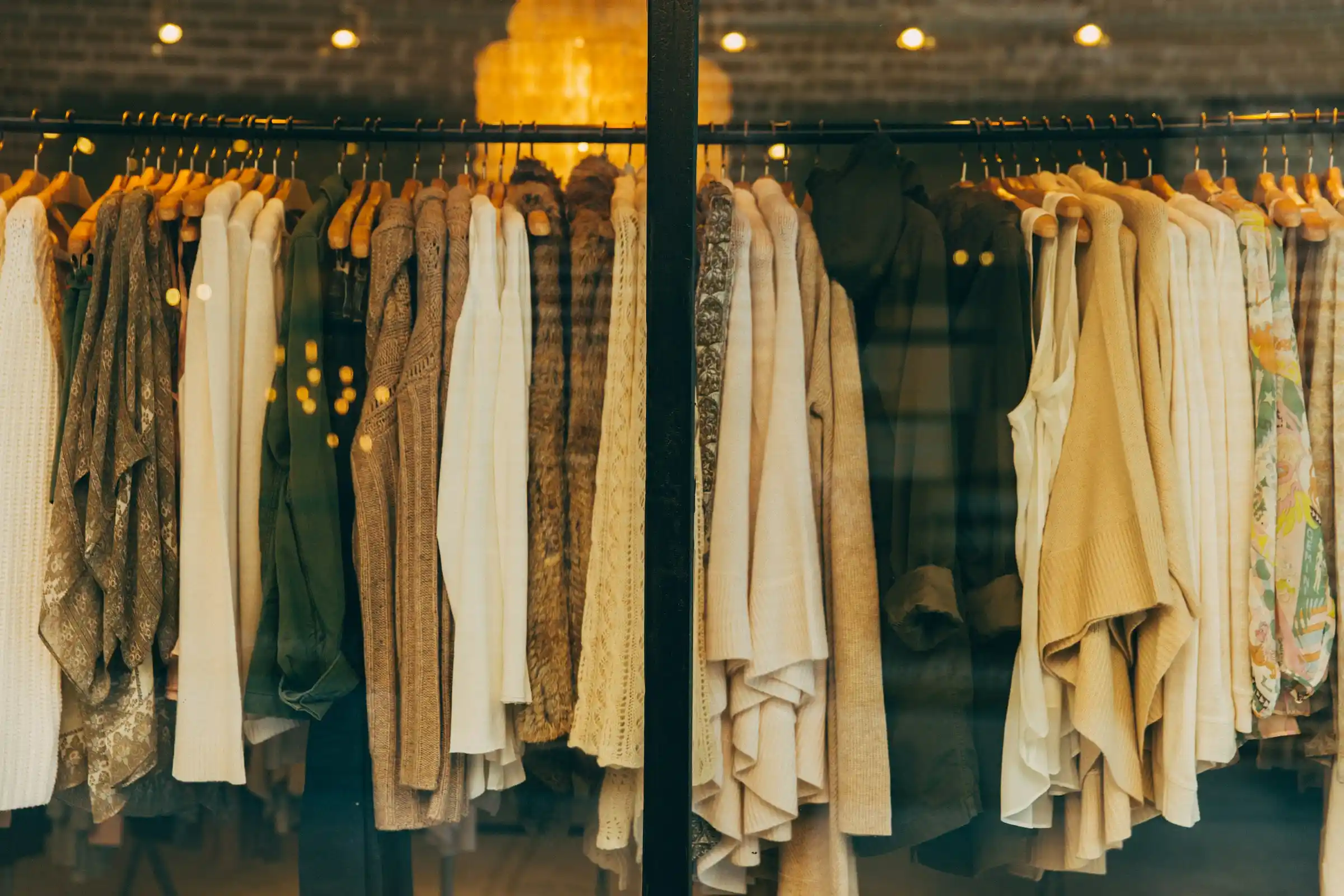
The tragedy is that most of these clothes are destined for landfills. Eighty billion garments are consumed globally each year, a number that has exploded in just two decades. The psychology behind this surge is clear: when clothing is cheap and endlessly replenished, it feels replaceable. We buy more because the price seems low, ignoring the hidden environmental debt embedded in every seam. The industry’s logic is brutally simple: produce faster, sell cheaper, and rely on volume to offset thin margins. Waste is not an accident of fast fashion; it is its business model.
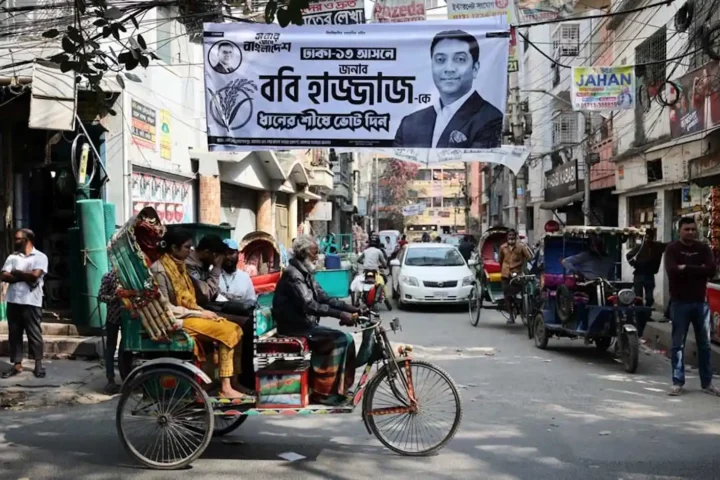
But the environmental crisis is only half the story. Behind the speed and low prices lies a labor system that often places profits above people. Most garments are produced by young women in developing economies, many working long hours for minimal wages. The collapse of a garment factory in Bangladesh in 2013, which killed more than a thousand workers, exposed the human cost of the industry’s relentless push for cheaper production. While not every brand operates under unsafe conditions, the pressure to reduce costs across global supply chains creates incentives that can undermine worker safety and dignity.
The uncomfortable reality is that consumers in wealthier markets are connected to these conditions, whether we acknowledge it or not. Every time we chase the newest drop, we reinforce a system that values speed over sustainability. We have been taught to celebrate “hauls” and constant wardrobe refreshes, while rarely questioning the environmental or social consequences. In this sense, fast fashion is not only an industry problem; it is a cultural one.
So what would it mean to slow down?
The slow fashion movement offers a counter-vision. Instead of endless production cycles, it promotes durability, ethical labor practices, and materials that respect environmental limits. Secondhand marketplaces and clothing rental services show that consumers are willing to experiment with alternatives when given convenient options. Brands experimenting with recycled fabrics or circular business models hint at what a different future could look like. But slow fashion cannot succeed as a niche lifestyle trend alone; it must challenge the economic incentives that drive overproduction.
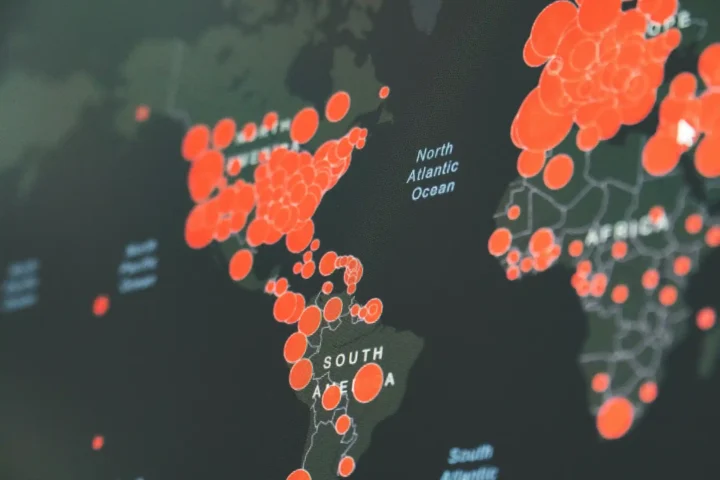
Governments have a critical role to play here. Voluntary sustainability pledges are not enough if the underlying market rewards speed and volume. Policies that encourage longer product lifespans, regulate waste, or hold companies accountable for supply chain emissions could shift the industry’s trajectory. The contrast between countries that resist regulation and those pushing sustainability agreements reveals how political will shapes environmental outcomes.
Yet focusing only on corporations and governments risks overlooking an uncomfortable truth: fast fashion thrives because it aligns with our habits. We live in an age of instant gratification, where trends move at the speed of social media and identity feels tied to visual novelty. Clothing has become a language of online presence, a way to signal relevance in an attention economy. Breaking the cycle requires not only systemic reform but also a cultural shift toward valuing longevity over immediacy.
That shift does not mean abandoning fashion or creativity. Style has always been a powerful form of self-expression, and the desire to experiment with clothing is deeply human. The challenge is to redefine what makes fashion exciting. Instead of celebrating speed, we might celebrate craftsmanship. Instead of chasing endless trends, we could embrace personal style that evolves slowly over time. The most radical idea in today’s fashion landscape may simply be wearing something repeatedly, and proudly.
Critics argue that fast fashion provides affordable clothing to millions, and they are not entirely wrong. Price accessibility matters, particularly in a world of widening economic inequality. But affordability should not come at the expense of environmental collapse or exploitative labor conditions. The goal should not be to shame consumers who rely on low-cost clothing, but to demand an industry that delivers affordability without hidden harm. Innovation in sustainable materials, fair pricing structures, and circular production systems could make ethical fashion accessible without replicating the wasteful model we see today.
Ultimately, the debate over fast fashion is about values. Do we measure success by the speed at which new trends appear, or by the resilience of the ecosystems and communities that make clothing possible? The answer will shape not only the future of fashion but also our broader relationship with consumption.
“Less is always more,” as one fashion marketing expert puts it, a phrase that sounds deceptively simple in a culture addicted to excess. Yet this idea may hold the key to a more sustainable future. Buying fewer garments, wearing them longer, and supporting companies that prioritize ethical production are small acts that, collectively, could reshape the industry.
The next time a new collection drops online or a sale banner flashes across a storefront, it is worth asking: what story does this garment carry beyond its price tag? Fast fashion has trained us to see clothing as temporary, but the consequences of our choices are anything but. If fashion truly reflects who we are, perhaps the most stylish statement we can make now is restraint,b choosing quality over quantity, longevity over speed, and responsibility over convenience.