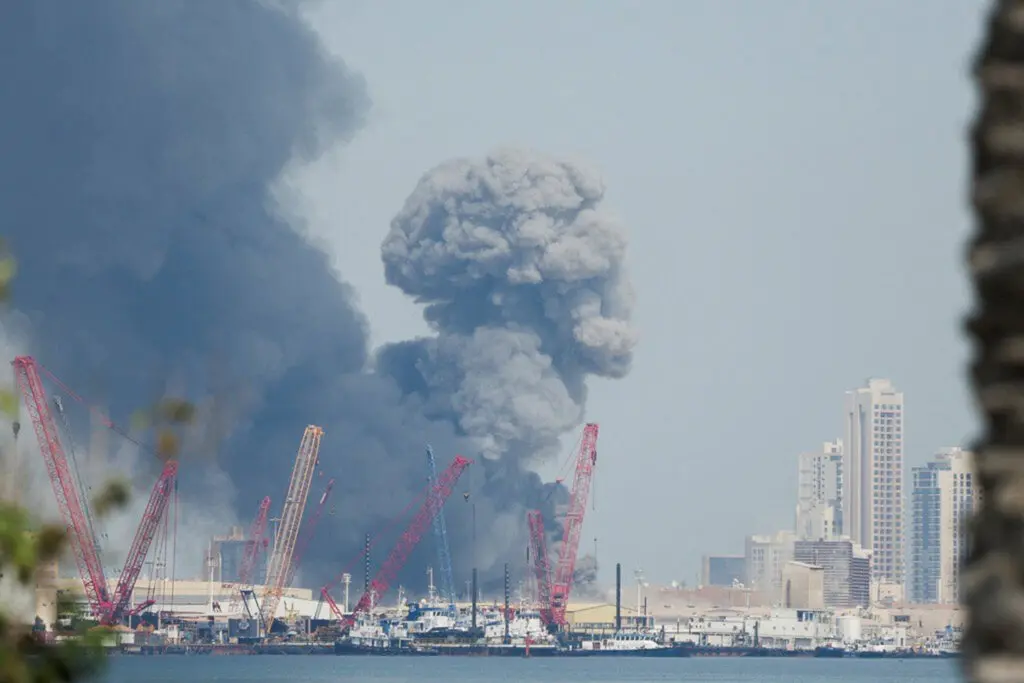
The US-Israel strikes on Iran, launched on February 28th, mark a dramatic escalation in Middle East tensions, killing Supreme Leader Ali Khamenei and triggering Iranian missile retaliation across the region, including the UAE. Codenamed Operation Roaring Lion by Israel and Operation Epic Fury by the US, the attacks targeted Iran’s military, nuclear sites, and leadership amid collapsed nuclear talks.
Historical Context
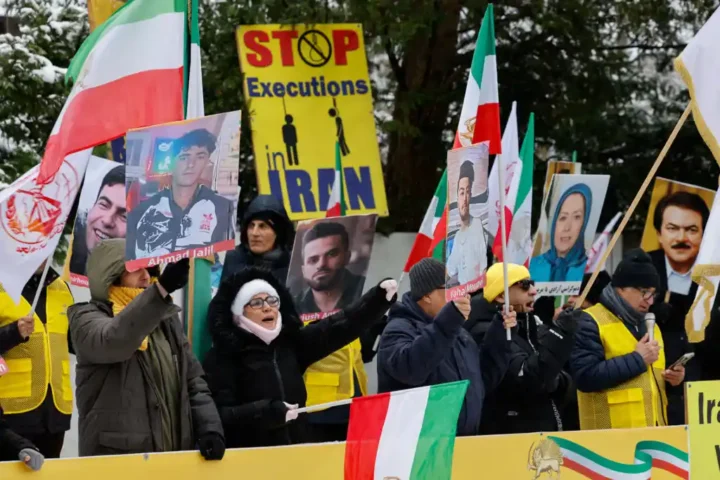
Tensions between Iran, Israel, and the US have simmered for decades, intensified by the 2018 US withdrawal from the JCPOA nuclear deal under Trump, which imposed “maximum pressure” sanctions crippling Iran’s economy. Direct clashes escalated with Israeli-Iranian exchanges in 2024, a 12-day war in 2025 involving US strikes on Iranian nuclear facilities, and Iran’s proxy attacks via Hamas, Hezbollah, and Houthis. Anti-regime protests erupted in Iran from late 2025, fueled by economic collapse and violent crackdowns killing thousands, prompting Trump to deploy carriers like USS Abraham Lincoln and Gerald R. Ford in January 2026.
Prelude to Strikes
Indirect US-Iran nuclear talks began February 6, 2026, in Oman, with a second round planned in Geneva, but stalled over US demands: permanent halt to uranium enrichment, ballistic missile limits, and ending proxy support. Trump accused Iran of reviving nuclear weapons and advanced missiles during his February 24 State of the Union, despite disputed intelligence from IAEA and US agencies suggesting setbacks from prior strikes. Lobbying from Israeli PM Netanyahu and Saudi Crown Prince Mohammed bin Salman pushed Trump toward action, with months of joint planning achieving “tactical surprise.”
The Strikes Unfold
On February 28, around 9:45 AM IRST, ~200 Israeli jets struck 500 targets in Tehran, Isfahan, Qom, Karaj, and Kermanshah using munitions, drones, Tomahawks from US warships, and HIMARS. Key hits included Khamenei’s compound (confirmed killed), IRGC bases, missile sites, air defenses, and nuclear facilities, degrading offensive capabilities. Trump posted a Truth Social video urging Iranians to “take over your government,” framing it as regime change to eliminate nuclear threats, missiles, navy, and proxies. Netanyahu called it preemptive to “remove existential threats,” creating conditions for Iranian uprising.
Iranian Retaliation
Iran responded with drone and ballistic missile barrages targeting Israel (hits in Tel Aviv, Haifa injuring dozens, one civilian death) and US bases in UAE (Al Dhafra, debris killing one civilian in Abu Dhabi/Dubai), Qatar (Al Udeid), Bahrain (Fifth Fleet), Kuwait, Jordan, Iraq, Saudi Arabia. IRGC vowed the “most ferocious” operation; Houthis resumed Red Sea attacks. Casualties: ~200+ killed, 700+ injured in initial Iran strikes; Iranian reports claim 201 civilians dead, including 108 in a Minab school hit (disputed). Khamenei’s death triggered 40-day mourning, internet blackout, and state TV vows of retaliation.
UAE’s Position
The UAE, hosting US Al Dhafra base, intercepted missiles but suffered civilian death from debris and strikes near Dubai Marina/Palm, damaging Burj Al Arab and injuring four. UAE airlines extended cancellations; Foreign Ministry condemned violations of sovereignty, affirming right to respond alongside Gulf allies like Bahrain, Qatar, Kuwait. Despite Abraham Accords ties with Israel and US basing, UAE stressed no use of its territory/airspace for anti-Iran actions pre-strikes, prioritizing de-escalation.
Potential Implications
Strikes risk wider war, with Strait of Hormuz closed, airspaces shut (UAE, Israel, Gulf), flights canceled globally. Oil prices could surge if disruptions persist; IAEA warned of radiological risks at nuclear sites. Successor to Khamenei likely IRGC hardliner, prolonging conflict; protests may reignite amid regime fragility. Gulf states like UAE face balancing anti-Iran defense with escalation fears; US domestic debate brews over congressional approval. Diplomacy via Oman/UN stalled, but Iranian economic woes and proxy weakening could force talks.