President Donald Trump’s decision to host Syrian President Ahmed al-Sharaa at the White House later this week marks a historic moment in Middle Eastern diplomacy and signals a dramatic reset in U.S. policy toward Syria, with implications that ripple far beyond the bilateral relationship. This visit represents not only the symbolic normalization of ties after decades of enmity but also the calculated beginning of a new regional order shaped by the aftermath of Bashar Assad’s ouster, realignment of old foes, and the recalibration of U.S. interests in an unstable but rapidly changing Middle East.
The visit scheduled for November 10 will be the first ever by a Syrian president to the White House, a moment underscoring just how profoundly circumstances have shifted since Bashar Assad’s regime fell nearly a year ago. The last direct engagement dates back to 1999, making Trump’s overture a sign of geopolitical recognition for Syria’s new leadership. Ahmed al-Sharaa, once an Islamist rebel commander and former head of the al-Nusra Front, ascended following a complex transition that saw the collapse of Assad’s Iran-backed state and the emergence of a new Syrian government. Trump has positioned himself as an active facilitator of this transition, moving quickly to lift American sanctions on Syria and establish diplomatic rapport with al-Sharaa.
Sharaa’s background as a former jihadist, previously the subject of a U.S. bounty, represents both risk and opportunity. His leadership signals the triumph of a revolutionary force that once fought against U.S. interests in Iraq and Syria, now seeking legitimacy and stability. For Trump, inviting Sharaa is a calculated gamble—embracing a transformed enemy to further American security objectives, extract Syria from Iran’s orbit, and potentially open a new channel of influence over the region’s future.
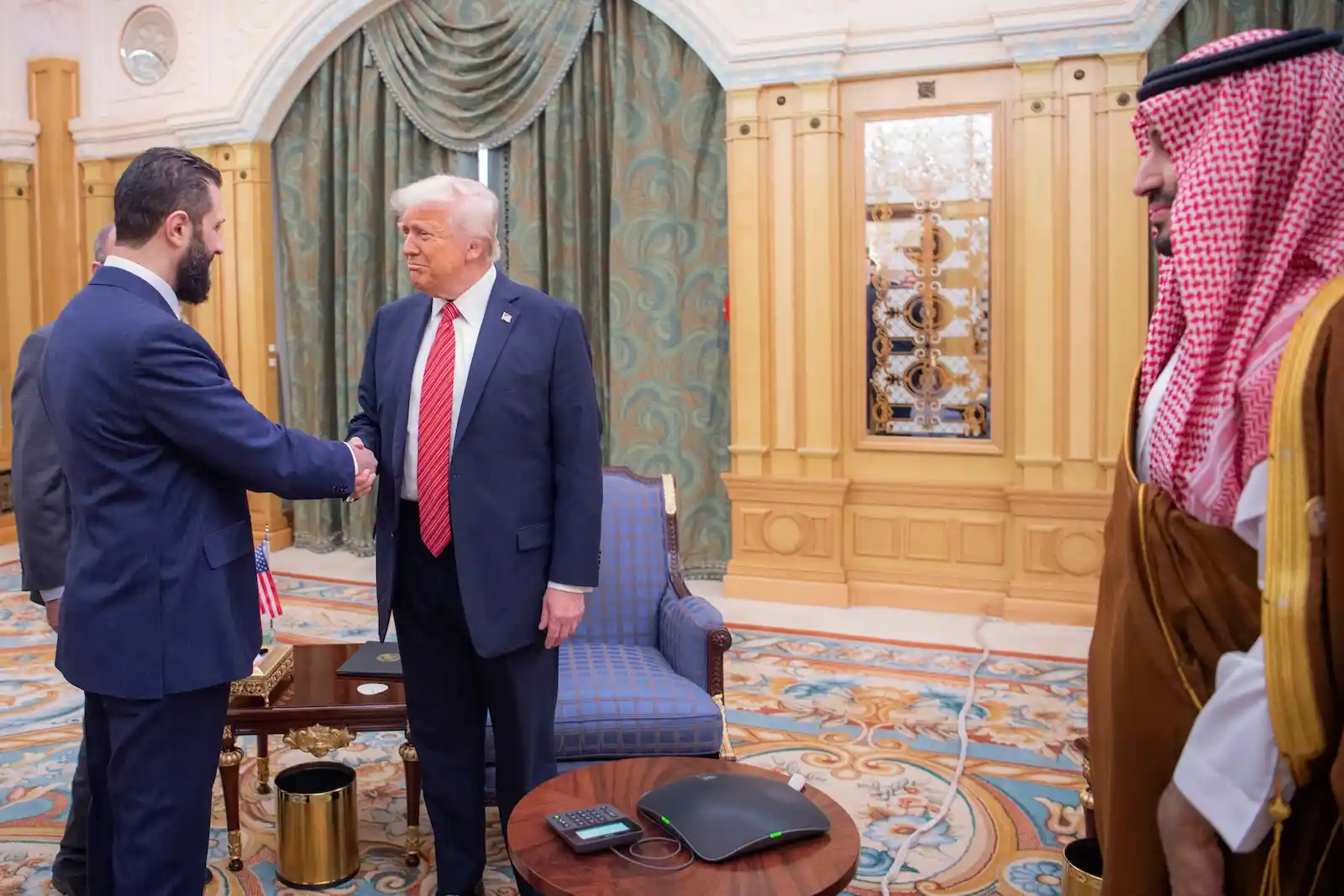
Trump’s decision follows earlier meetings in Saudi Arabia, where he publicly praised al-Sharaa’s tenacity and signaled support for his new administration. The personal chemistry between the leaders, while eyebrow-raising for many U.S. and international observers, is a reflection of Trump’s transactional and disruptor approach to diplomacy—prioritizing potential outcomes over historical baggage.
Trump’s executive order to terminate the previous sanctions regime on Syria was a stunning move. It lifts restrictions imposed to counter the Assad regime’s atrocities and opens the door for humanitarian aid, investment, and wider diplomatic engagement. However, sanctions remain for Assad and his associates, human rights abusers, and Iran-backed actors, delineating the administration’s attempt to separate the future of Syria from its brutal past. Officials have also begun reviewing whether Sharaa’s previous groups—including Hay’at Tahrir al-Sham—should remain on terrorist designation lists, adding layers of diplomatic complexity.
The formal visit signals to regional and global actors that the U.S. is ready to engage with Syria as a legitimate partner, provided it undertakes reforms aligned with American and allied interests: combating terrorism, eliminating chemical weapons, and upholding cease-fire agreements such as the critical 1974 Disengagement Accord with Israel.
Trump’s White House has pressed Sharaa to normalize relations with Israel, potentially joining the Abraham Accords that have already reshaped diplomatic landscapes for other Arab states. The push for Syrian participation in U.S.-led peace frameworks is a linchpin for broader stability and a containment strategy against threats like Iranian proxies and ISIS.
Trump urged Sharaa to expel foreign fighters—including Palestinian militants—and assume responsibility for ISIS detention camps, expressing a dual aim: preventing Islamic State resurgence and reducing regional instability. The U.S. is also encouraging Syria to allow new trade and investment, suggesting that American companies may soon play a role in rebuilding a devastated economy.
Saudi Arabia’s role as broker in this diplomatic thaw demonstrates the Gulf’s renewed influence over Syrian affairs after years of cold war. Crown Prince Mohammed bin Salman (MbS) helped facilitate introductions, sending an unmistakable message to Israel and Iran that regional realignment is underway. This maneuver amplifies Saudi status as a power center and disrupts decades of Iranian strategic investment in Syria—a shift welcomed in Washington.
Critics warn that the rush to legitimize Sharaa may set dangerous precedents. His past affiliations with jihadist groups—while renounced—complicate trust, and so far, compliance with U.S. demands on removing terrorists and respecting human rights remains to be proven. Human rights advocates, establishment policymakers, and some NATO allies voice concern over both the speed and symbolism of embracing a leader whose rise involved violent means and who has not yet addressed allegations of extrajudicial killings or abuses under his former command.
Moreover, the move destabilizes traditional diplomatic norms: for decades, Syria was categorized as a pariah, isolated by bipartisan U.S. consensus and laws. Trump’s overture is thus a challenge to Washington’s orthodoxies, hinting at a willingness to remake the rules for what counts as an acceptable partner.
Trump’s hosting of President al-Sharaa signifies the beginning of a new era: one where revolutionary change and pragmatic engagement replace the rigid binaries of the post-9/11 era. The visit could accelerate Syria’s break from Iranian control, facilitate regional peace with Israel, and reduce threats from terror groups. If sustained, it foreshadows opportunities for American companies, more robust intelligence coordination, and possible stability in one of the world’s most turbulent theaters.
Yet, the path ahead is fraught with peril. Syria’s internal situation remains fragile. Ethnic, sectarian, and security challenges persist. For Trump and al-Sharaa, genuine partnership will require more than bold gestures—it will need transparency, long-term commitments to reform, and safeguards against the return of violence or old patterns of repression.
The White House summit between President Trump and Syrian President al-Sharaa is an inflection point that could reshape the Middle East’s diplomatic architecture. It is a gamble—one grounded in realpolitik and the hope for a post-authoritarian Syria aligned with U.S. and allied interests. Whether it produces lasting peace or unintended consequences will depend on the actions taken beyond the ceremony: reform, reconciliation, and sustained pressure to meet the region’s and the United States’ highest aspirations.