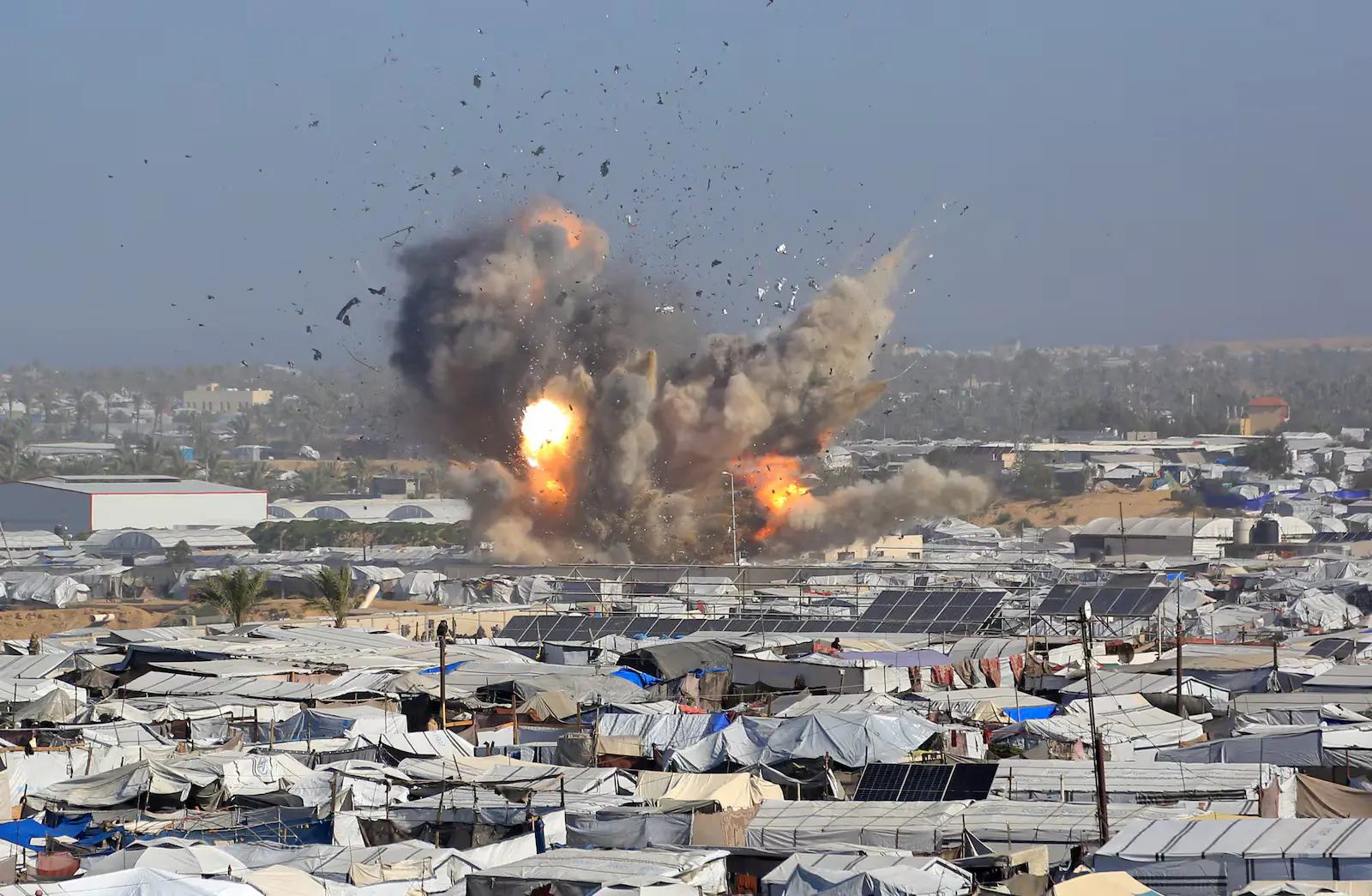
As the world watches the fragile implementation of President Donald Trump’s Comprehensive Plan to End the Gaza Conflict, the question lingers: is lasting peace in Gaza achievable? After more than two years of devastating war that claimed over 71,000 Palestinian lives and displaced millions, the plan represents a bold, if contentious, attempt to break the cycle of violence. Yet, history and current realities suggest that while glimmers of progress exist, entrenched obstacles, political, structural, and ideological, continue to undermine prospects for a sustainable resolution. This op-ed draws on recent developments and expert analyses to explore whether peace is feasible, emphasizing a non-partisan lens focused on facts rather than ideology.
The Israeli-Palestinian conflict, rooted in the 1948 establishment of Israel and the subsequent displacement of Palestinians (known as the Nakba), has seen numerous failed peace efforts. The Oslo Accords of the 1990s promised a two-state solution but collapsed amid mutual distrust, assassinations, and the Second Intifada. Camp David in 2000 and Annapolis in 2007 faltered over core issues: borders, Jerusalem’s status, refugees’ right of return, and security. These “final status” issues remain unresolved, compounded by Israel’s settlement expansion in the West Bank, which the UN deems illegal and a major barrier to viability of a Palestinian state. A 2025 Pew survey found 75% of Israelis view lack of trust as a major obstacle, with 70% citing Jerusalem’s status. On the Palestinian side, divisions between the Palestinian Authority (PA) in the West Bank and Hamas in Gaza have fragmented leadership, making unified negotiations elusive.
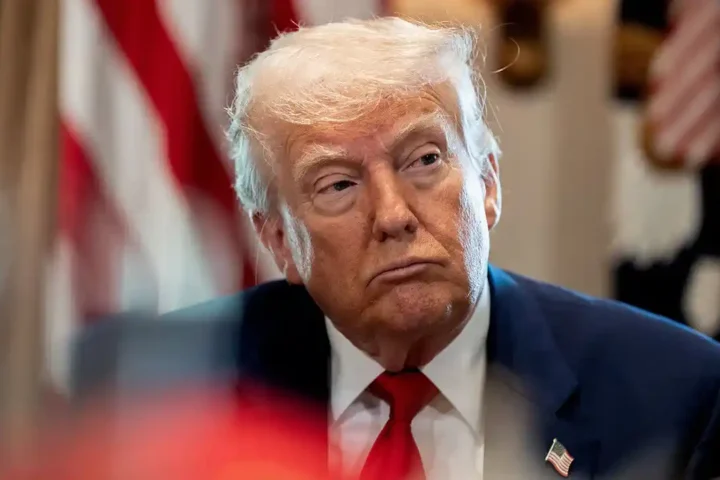
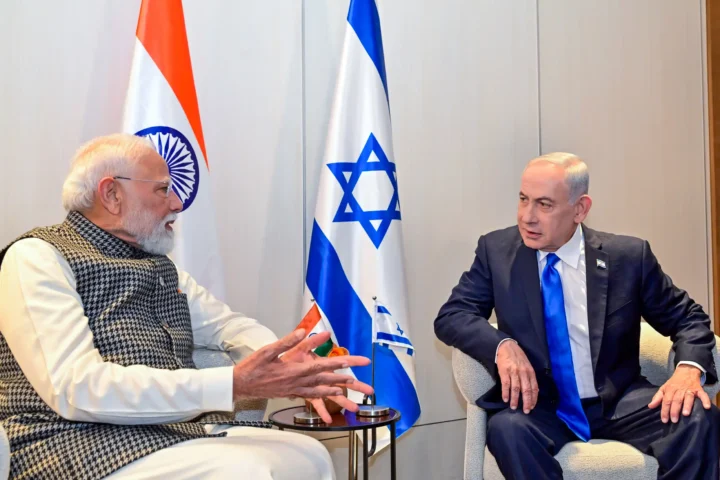
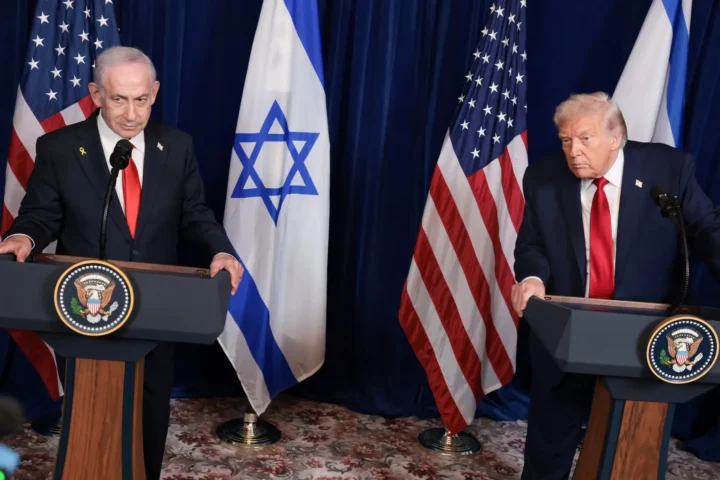
Enter Trump’s 20-point plan, unveiled in September 2025 during a White House press conference with Israeli Prime Minister Benjamin Netanyahu. Phase One, effective October 10, 2025, secured a ceasefire, the release of all living Israeli hostages (and most remains), and a partial Israeli withdrawal, leaving the IDF in control of about 53-58% of Gaza. Humanitarian aid surged, offering immediate relief to Gaza’s battered population. The UN Security Council endorsed the plan via Resolution 2803 in November 2025, authorizing a Board of Peace (BoP) chaired by Trump to oversee reconstruction and governance. By January 2026, Phase Two commenced, focusing on demilitarization, technocratic governance via the National Committee for the Administration of Gaza (NCAG), and an International Stabilization Force (ISF). Up to 60 nations, including key Arab states, have been invited to join the BoP, signaling broad international buy-in.
This initiative has achieved what predecessors could not: a sustained ceasefire and hostage exchanges, hailed by UN envoys as a “potential turning point.” Analysts at the Baker Institute note it addresses immediate needs like relief distribution while laying groundwork for long-term stability. Hamas’s conditional cooperation, ceding administrative power but resisting full disarmament, marks a pragmatic shift, possibly influenced by mediators like Egypt, Qatar, and Turkey. The plan’s emphasis on reconstruction, potentially funded by billions in international aid, could revitalize Gaza’s economy, fostering hope amid ruins.
However, obstacles abound, threatening to derail this fragile momentum. Israel’s government, under Netanyahu, has dragged its feet, joining the BoP reluctantly and threatening to resume operations if Hamas doesn’t disarm fully. Post-ceasefire violations, including the assassination of Hamas commander Raad Saad in December 2025 and demolition of 1,500 buildings, have shaken the truce. Netanyahu’s coalition, including far-right figures like Bezalel Smotrich who oppose Gaza’s reconstruction, prioritizes security over concessions. On the Palestinian side, Hamas’s insistence on retaining arms jeopardizes demilitarization, a core pillar. Broader paradoxes persist: Israel’s settlements erode Palestinian territorial contiguity, while Palestinian rejectionism (e.g., “from the river to the sea”) fuels Israeli fears. Chatham House warns that without a clear political vision for Palestinian self-determination, temporary arrangements risk becoming permanent occupations.
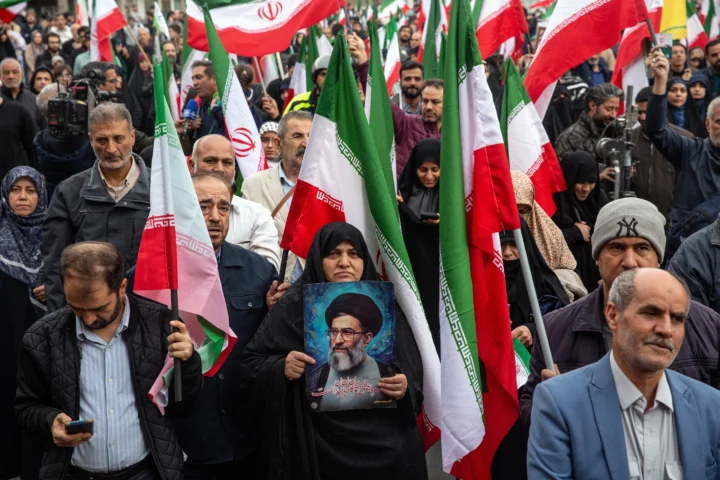
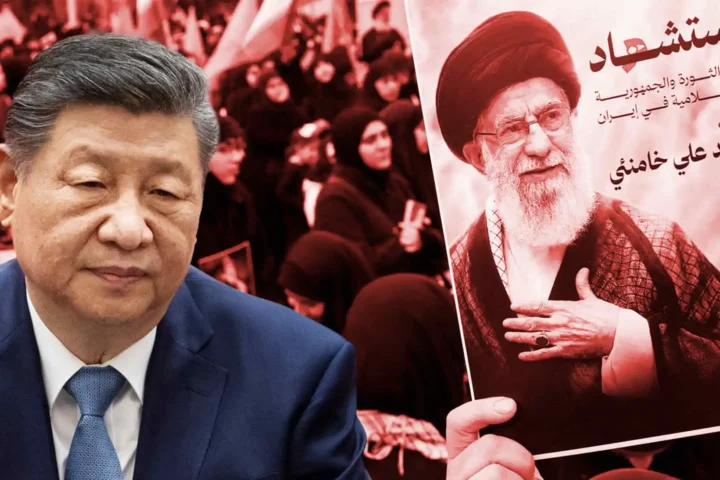
Regional dynamics add complexity. Iran’s support for Hamas and proxies like the Houthis ties Gaza’s fate to wider conflicts, with U.S. envoys noting Tehran’s role in prolonging instability. Recent opinion and social media posts reflect public skepticism, with users decrying ongoing violence and questioning the peace’s viability amid chants supporting adversarial regimes. The Atlantic Council predicts 2026 could either disarm Hamas and initiate reconstruction or revert to stagnation, risking renewed fighting.
Is peace possible? Optimists point to the plan’s multilateral framework, which could enforce accountability where bilateral talks failed. The Soufan Center highlights Trump’s leverage over Israel, potentially pressuring Netanyahu to withdraw fully. Yet, as the Center for American Progress cautions, success hinges on disciplined implementation amid uncertainties. True peace requires addressing root causes: mutual recognition, equitable borders, and economic incentives to deter extremism.
Gaza’s peace is conceivable but not assured. The Trump plan offers a roadmap, but without genuine compromise, Hamas disarmament, Israel halting settlements, and international enforcement, it risks joining the graveyard of initiatives. As UN officials urge, this moment of “profound opportunity” must not slip into “considerable risk.” For Palestinians and Israelis alike, the alternative, endless conflict, is untenable. The world must demand more than ceasefires; it must build bridges over decades of division.