For a decade, 1.5 degrees Celsius has been treated as climate policy’s bright red line, the boundary between manageable risk and cascading danger. New data from Europe’s Copernicus climate service suggests the world is now brushing right up against it. Average global temperatures are roughly 1.4 degrees above pre-industrial levels, and recent years have been warm enough that, by several measures, the trend is already there in all but name.
This moment deserves something more sober than panic, and more honest than ritualistic pledges to “keep 1.5 alive.”
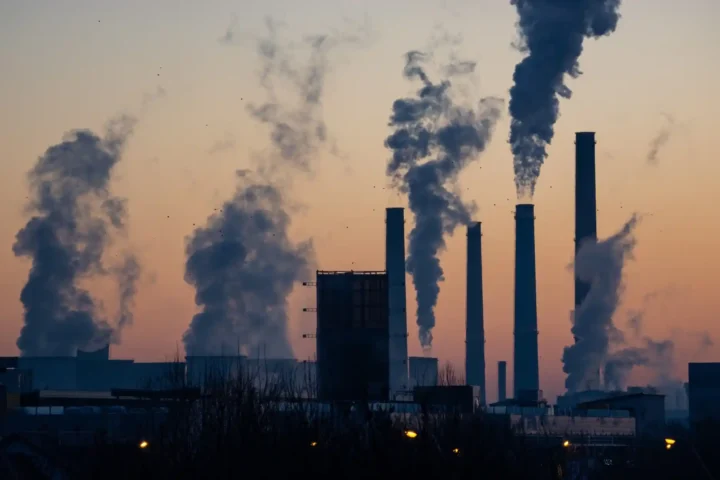
The uncomfortable truth is that the Paris Agreement’s most ambitious target was always aspirational. Governments pledged to limit warming to 1.5 degrees without ever aligning energy systems, industrial policy, or voter preferences with what that goal required. Fossil fuels still account for the vast majority of global energy use. Coal consumption remains near record highs. Emerging economies are building power systems around the cheapest and most reliable fuels available to them, not around aspirational temperature thresholds negotiated in Paris conference rooms.
Seen in that light, the Copernicus warning is less a shock than a reckoning.
The world’s hottest year on record, 2024, briefly exceeded 1.5 degrees. Scientists emphasize, correctly, that the Paris targets are defined by long-term averages, not single-year spikes amplified by El Niño. But three consecutive years of extreme heat, including 2025 as the third-warmest year ever measured, underscore that the trajectory is not bending fast enough. Even without El Niño’s boost, temperatures remain elevated.
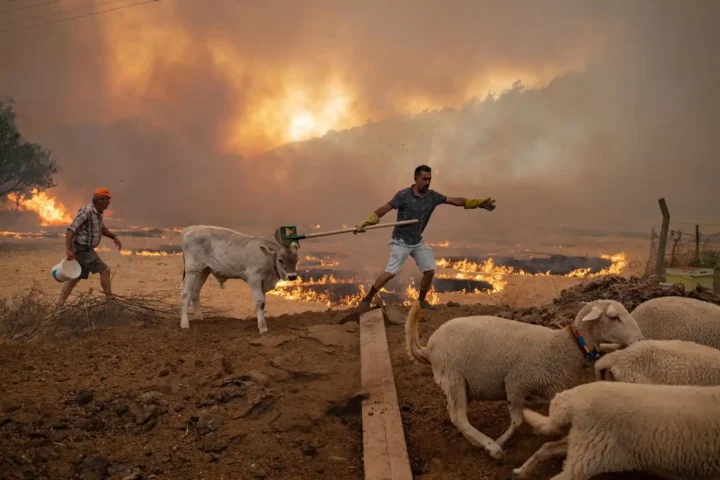
This matters because climate risk doesn’t arrive all at once at some magical number. Every tenth of a degree increase in temperature increases stress on infrastructure, ecosystems, and public health. Heat waves intensify. Sea levels creep higher. Wildfires grow more destructive. The data from Europe, record fire emissions, shrinking polar ice, and more days of dangerous heat stress are not abstractions. They are economic facts, with consequences for insurance markets, food prices, labor productivity, and government budgets.
What is changing now is not the physics, but the framing.
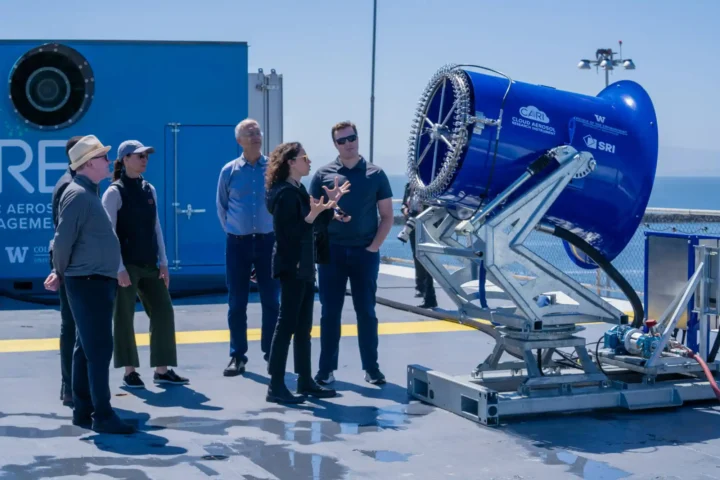
Carlo Buontempo of Copernicus put it bluntly: we are entering an era of “overshoot.” In theory, the world could temporarily exceed 1.5 degrees and later pull temperatures back down by removing massive amounts of carbon dioxide from the atmosphere. In practice, the technologies capable of doing this at scale, direct air capture, bioenergy with carbon capture, exist mostly on PowerPoint slides and pilot projects.
Overshoot, then, is not a strategy. It is a condition.
That has two implications that policymakers, investors and voters should confront directly.
First, adaptation must move from an afterthought to a central pillar of climate policy. For years, the political emphasis has been almost exclusively on emissions reduction, as if acknowledging adaptation were an admission of failure. It isn’t. Hardening power grids against heat, redesigning cities to reduce thermal stress, modernizing water systems and improving wildfire management are not signs of surrender. They are investments in resilience, productivity and public safety.
Second, climate policy must be judged less by symbolic targets and more by measurable outcomes. Emissions trajectories matter more than pledges. Reliable data matter more than rhetoric. Which makes the Trump administration’s reported cuts to U.S. climate science and data collection particularly troubling. Climate risk does not respect borders, and markets depend on credible, transparent information. Undermining data infrastructure doesn’t make the problem go away; it merely blinds decision-makers to it.
None of this means abandoning mitigation. Slowing the pace of warming still reduces risk, even if 1.5 degrees is crossed. The difference between 1.6 and 2 degrees is enormous. Innovation in nuclear energy, grid-scale storage, advanced geothermal and lower-carbon fuels remains essential. So does incremental progress: efficiency gains, methane reductions and smarter land use can all bend the curve at the margin.
But realism matters. The world is unlikely to hit a precise temperature target on a politically convenient timetable. Treating 1.5 degrees as a cliff—after which nothing matters—would be a mistake. The real challenge is managing a hotter, more volatile climate without compounding the damage through denial, data blindness or policy paralysis.
The Paris Agreement framed 1.5 degrees as a destination. Copernicus’s data suggest it may instead be a waypoint. What matters now is not preserving the symbolism of that number, but navigating what comes next with clear eyes, credible data and policies grounded in the world as it is—not the one negotiators hoped for in 2015.