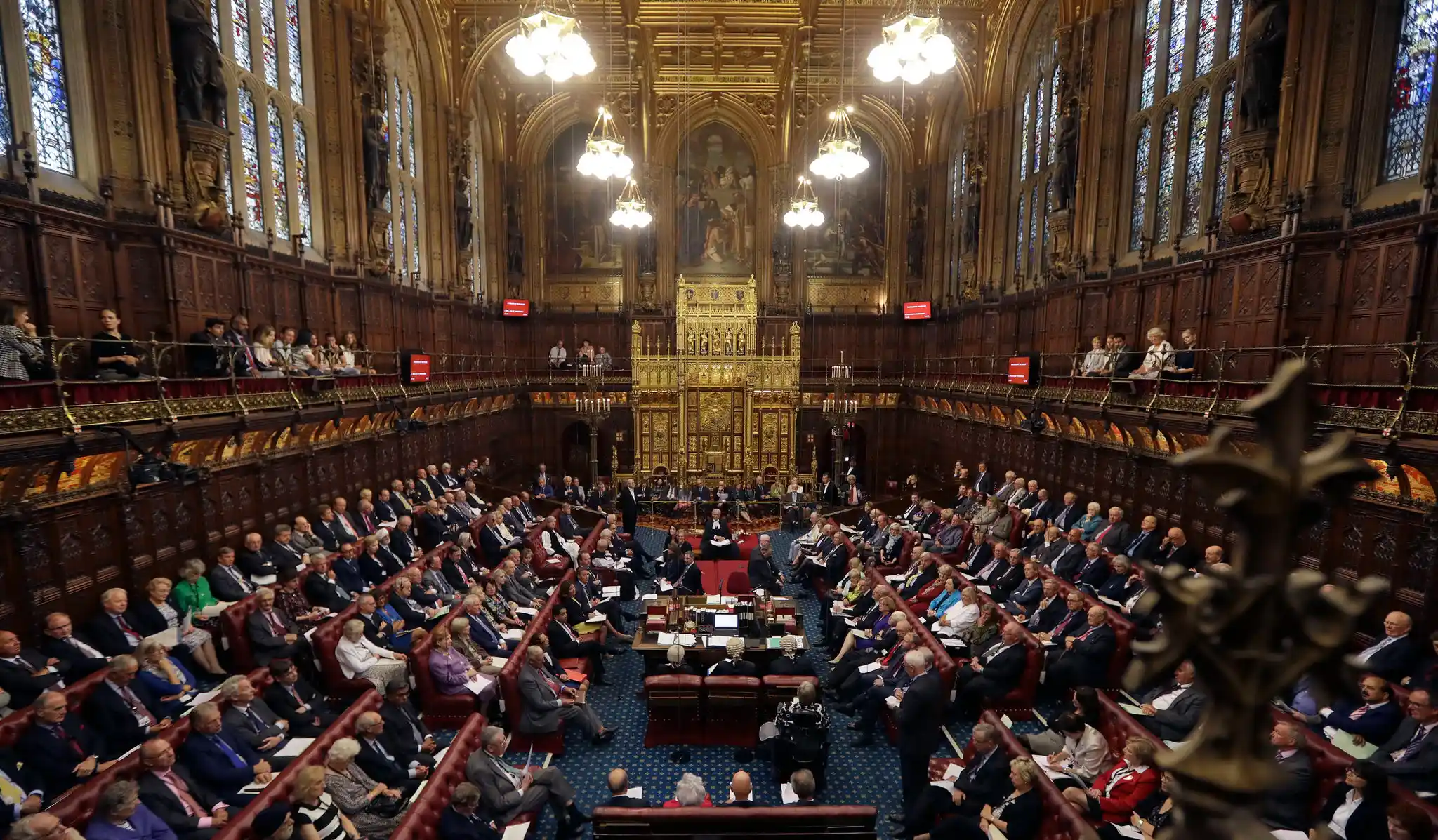
Britain’s Palace of Westminster, the iconic seat of democracy, is literally falling apart. With crumbling masonry, rampant asbestos, frequent fires, and sewage leaks, the 19th-century Gothic Revival building risks catastrophe unless MPs and peers act decisively in 2026. This op-ed examines the urgent crisis, restoration options, political gridlock, and why a full decant offers the only sensible path forward.
A Ticking Time Bomb at Democracy’s Heart
The Palace of Westminster has endured wars, protests, and political tempests, but neglect now threatens its survival. A 2016 parliamentary report warned of an “impending crisis,” predicting the building could become uninhabitable without major repairs. Since then, conditions have worsened: 36 fire incidents since 2016, 12 asbestos detections, 19 stonemasonry failures, and weekly maintenance costs hitting £1.5 million.
Lord Hain, former Labour minister, calls it a “Notre Dame inferno in the making,” while Lord Dobbs quips it’s “just waiting for some disaster.” Leaking roofs, burst 1940s-era pipes, and 2,500 asbestos sites pose immediate dangers to the 8,000 daily occupants. Taxpayers foot the bill for “temporary fixes” that merely delay collapse, symbolizing broader Westminster dysfunction amid economic strain.
Escalating Costs and Phased Nightmares
The Restoration and Renewal Client Board, comprising MPs, peers, and experts, outlined options in early 2026. A “full decant” relocates both Houses to nearby sites like the Northern Estate and QEII Centre for 19-24 years, costing £11.1-£15.6 billion (including inflation). This enables comprehensive fixes: asbestos removal by 300 workers, electrical overhauls (250 miles of cabling), and seismic upgrades.
Phase one—£3 billion over seven years for Victoria Tower refurbishment, Thames jetty, and tunnels—could start in 2026 if approved. “Enhanced maintenance” (EMI+), however, keeps Commons in place while Lords partially decant, stretching works to 38-61 years at £19.5-£39.2 billion. Critics slam this as “mission creep,” ballooning from safety fixes to a net-zero “Dubai hotel.”
Unions like Prospect urge full decant as “safest and most cost-effective,” noting on-site work doubles timelines and costs. Delays exacerbate decline: weekly upkeep rivals annual cultural funding, eroding public trust.
| Option | Timeline | Cost (incl. inflation) | Pros | Cons |
|---|---|---|---|---|
| Full Decant | 19-24 years | £11-16bn | Fastest, cheapest, safest; full renewal | Temporary relocation disruption |
| Partial/Enhanced Maintenance | 38-61 years | £20-39bn | No full move for Commons | Prolonged costs, higher risks, piecemeal fixes |
Political Paralysis and Partisan Posturing
Decades of dithering reflect Westminster’s inertia. MPs voted for decant in 2018, but overspend fears and attachment to the site’s perks—riverside views, subsidized canteens—stalled progress. Now, with a decision looming by mid-2030s, divisions sharpen.
Tory leader Kemi Badenoch decries plans as “out of control,” launching a petition for a “fundamental rethink” focused on “essential safety.” Labour’s Baroness Smith favors full decant, arguing current spending wastes money. Peers fear relocation erodes their legitimacy, but staying risks irrelevance if fire strikes. Public backlash looms: £39 billion equals £1,300 per taxpayer amid squeezed finances.
This mirrors Britain’s malaise—grand facades masking decay, from NHS waits to infrastructure woes. Yet inaction invites disaster, shifting scrutiny to evaders.
Time for Bold Renewal
The battle demands courage: approve phase one now, commit to full decant. Modernize with net-zero tech, accessibility, and digital broadcasting to future-proof democracy. Temporary homes worked for post-1834 fire rebuilding; history proves relocation viable.
India’s Sansad Bhavan, rebuilt swiftly for far less per capita, shames Britain’s dawdle. President Trump’s U.S. infrastructure push underscores decisive investment’s value—Britain must match it. Full decant safeguards heritage, cuts long-term costs, averts catastrophe.
Parliament embodies sovereignty; letting it crumble mocks that ideal. In 2026, lawmakers must choose renewal over ruin, proving democracy’s resilience. The public watches—act, or face the fallout.